
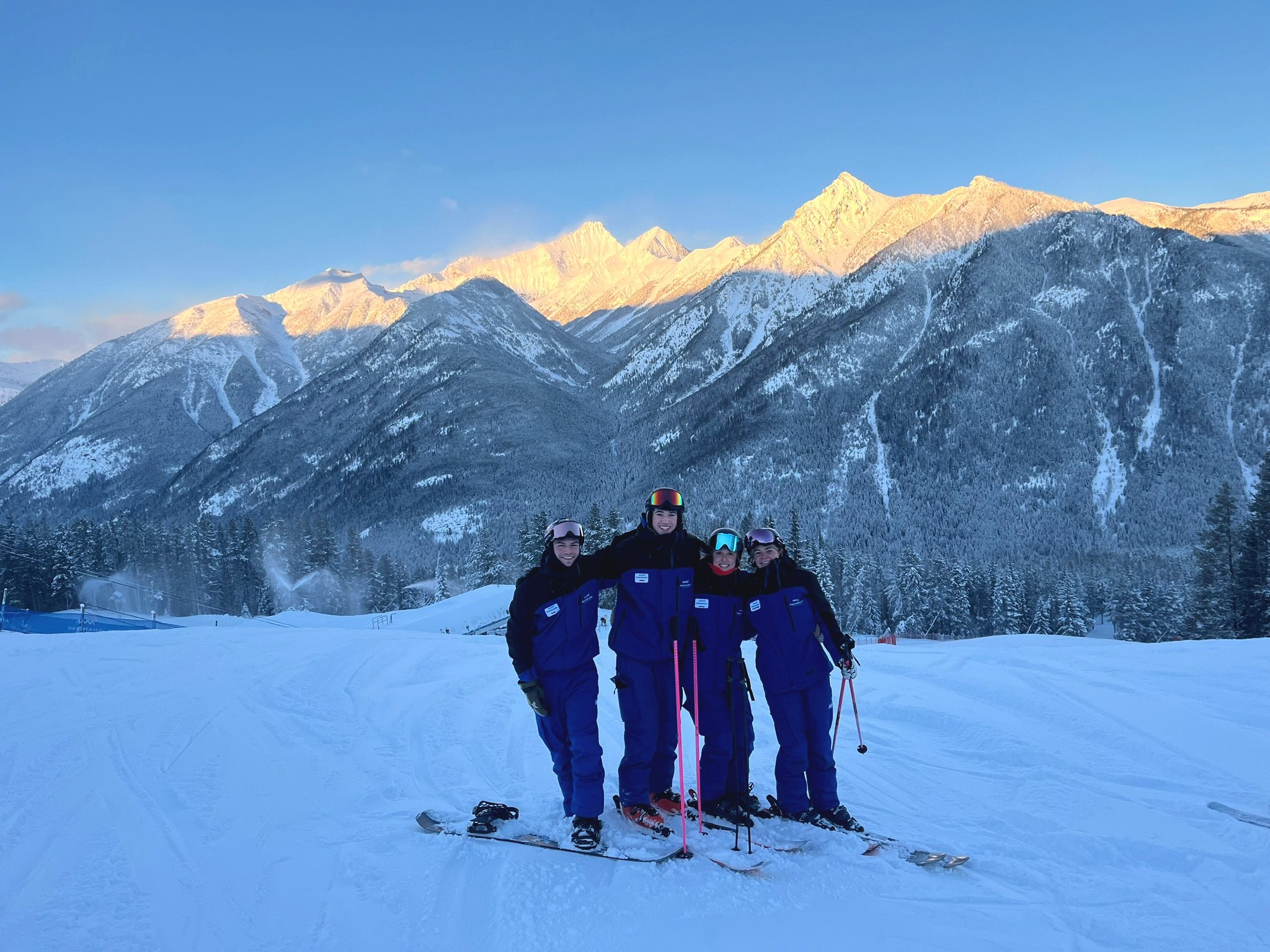
Who The CSIA Actually Are.
Founded in 1938, the CSIA has been Canada's leader in ski instructor education for over 85 years. It is the only internationally recognised ski instructor certification organisation in Canada, and the only Canadian member of the ISIA. That is the reason a CSIA card travels.
Founded
One of the oldest instructor bodies in the world, and the national standard for professional ski teaching in Canada.
Certified members
Teaching at ski areas across Canada and abroad. When you pass, you join them.
Regions
British Columbia / Yukon, Alberta, Central, Ontario, Quebec and Atlantic. Your resort sits in BC / Yukon or Atlantic.
International recognition
Level 4 is recognised internationally through the ISIA. The ISIA Stamp itself opens from Level 3 upward, with extra requirements.
The honest version
A CSIA Level 1 is a real, internationally recognised qualification. It is not a golden ticket. It certifies you to teach first-time skiers through to intermediate, which in practice means beginner groups and children, often in the cold, often at the bottom of the hill. Level 2 is the level most ski schools in Canada and abroad are actually hiring at. Anyone who tells you Level 1 alone will get you work anywhere in the world is selling you something.
For more on the body itself, read our CSIA qualifications page. To start training, see our ski instructor courses in Canada.
The Pathway, At A Glance.
Four levels of instructor certification plus a Trainer Designation, with a parallel two-level Snow Park stream. Certification is not time-limited: missing components can be collected at any point.
The Snow Park stream
Snow Park Level 1 is an alternative entry point to Level 1 and, like Level 1, satisfies the prerequisite for Level 2. It covers your own park riding plus teaching park skills to children and adults. Snow Park Level 2 builds advanced skills in the terrain park and needs Snow Park 1 first.
CSIA's own pathway graphic
Worth five minutes with a coffee. The main graphic maps the whole ladder including the Skiing and Teaching tracks; the second covers the park stream.
The bit people get wrong
Skiing And Teaching Tracks.
From Level 2 upward, CSIA certification is not one exam. It is two parallel tracks, each with its own development course and its own exam. This catches people out constantly, so read it twice.
The Skiing track
Skier Development course, then the Ski Exam. This is about your own skiing: technical concepts, the 5 Skills Framework, the performance criteria you will be measured against. At Level 3 it includes exposure to the Level 3 Ski-Off runs.
The Teaching track
Teacher Development course, then the Teach Exam. Safe teaching, the Canadian Teaching Approach, assessing and developing students, and practice teaching within your group. Half your qualification lives here.
You can do them separately
Independent development in either track is allowed. Finish the Level 2 Teacher Development and you can go straight to the Teach Exam without touching the ski side, and the same in reverse.
But you need both to be certified
"Level 2 Certified" means you passed both. Passing one track makes you Level 2 Ski or Level 2 Teach, not Level 2. Employers know the difference.
The order matters at Level 3
You can sit the Level 3 Ski Exam before passing the Level 2 Teach Exam. You cannot sit the Level 3 Teaching Exam until you hold full Level 2 certification. You may only attempt the exam for a track whose development course you have completed.
There is no clock on any of this. CSIA are explicit that the certification process is not limited in time. Missing components can be collected at any point in the future. If you run out of season, you have not lost the parts you passed.
Level By Level, In CSIA's Own Words.
Prerequisites, duration, learning outcomes and preparation, taken directly from the CSIA course pages. Every level links out to the official page and its Candidate Guide.
Designed for advanced skiers ready to take a first step toward becoming a certified instructor. You develop your own technique and practise the Canadian Teaching Approach, working on terrain from beginner through to intermediate. The successful candidate is certified to teach first-time skiers through to intermediate-level students.
Prerequisites. Fourteen years old on the first day of the course. A confident, independent skier comfortable on blue and black runs, consistently parallel and controlling your speed.
That age limit is CSIA's, not ours. Fourteen is simply the youngest CSIA will certify, which is why you occasionally meet a fifteen-year-old with a Level 1 teaching weekend kids' groups at their home hill. It has no bearing on our internships — those have their own minimum age, and a work permit has its own rules again.
CSIA are blunt about this and so are we: Level 1 is not a learn-to-ski programme. You develop existing skills. You do not learn to ski from scratch.
What you'll learn
How to teach safely
Canadian Teaching Approach and lesson planning
CSIA technical concepts
Ski improvement
Guest service and communication skills
A focus throughout on teaching children
Get familiar with lesson plans early
Lesson plans are the backbone of the Level 1 exam. You are marked on teaching them, and the demonstrations inside them are what your skiing is judged on. Practising them is not exam-cramming — it is the actual skill.
You do not need to arrive knowing them. Your trainer will take you through every one, in order, with time to practise each in a stress-free setting. There is no need to delve deeply on your own, and turning up with a half-learned version of somebody else's method usually makes week two harder, not easier.
But background knowledge pays off, every time. The earlier you get familiar with how a lesson is structured — the sequence, why each step exists, what the student should be able to do by the end — the less of your first fortnight goes on decoding the format instead of practising the delivery. The Level 1 Candidate Guide has sample lesson plans in it. Skim them.
For any CSIA member holding Level 1 or Snow Park certification who wants to advance their effectiveness in creating great learning experiences. The programme is about situational teaching: combining practical ski teaching methods, technical understanding and guest service skills.
Prerequisites. CSIA Level 1, or Snow Park certification, or ACA Entry Level Certified status, or ACA Development Level Trained status.
Skier Development, 2 days
Developing your skiing to a consolidated level of performance on groomed and ungroomed blue terrain, across a variety of turn types. Two solid days of collaborative ski improvement.
Covers CSIA technical concepts and the 5 Skills Framework, long-term development strategies, and the Level 2 Ski Exam performance criteria.
Teacher Development, 2 days
Teaching approaches and strategies that address a broader range of student skill levels, with practice teaching inside your group so you can test ideas.
Covers safe teaching, the Canadian Teaching Approach, assessment and development using CSIA technical concepts, and the Level 2 Teach Exam criteria.
How CSIA say to prepare. Get involved with a snow school. First-hand teaching experience is worth more than reading. Pro Days and Pro Sessions exist to sharpen both skiing and teaching before you sit anything.
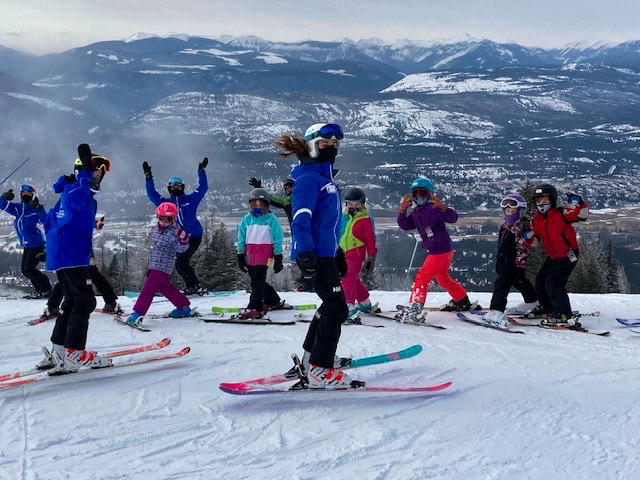
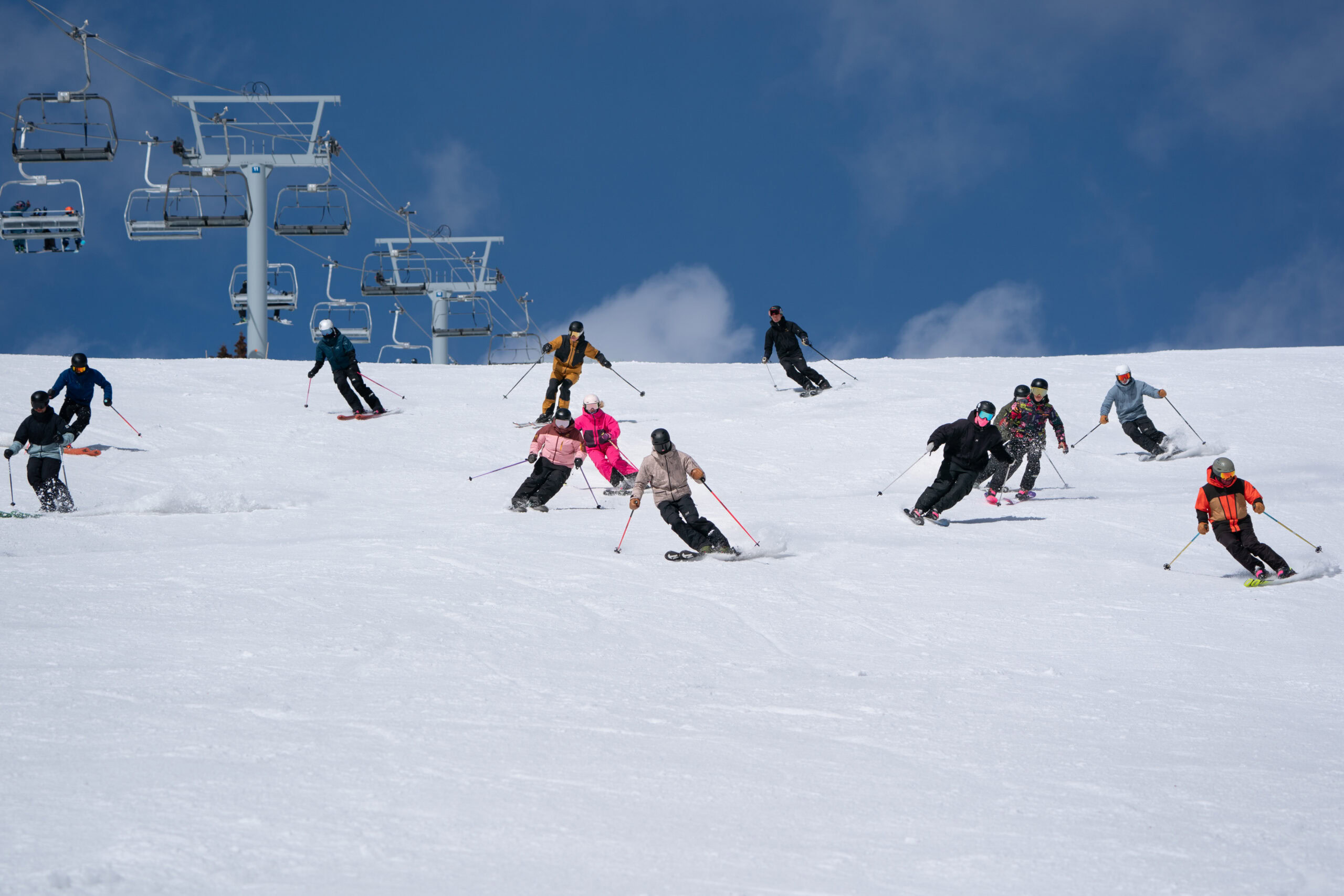
A Level 1 and 2 winter is a mix of both of these. Some days you are down on the beginner slope with a group who have never worn skis. Other days you are up the mountain. Expect plenty of the first, especially over Christmas.
For instructors with practical experience who want to refine lesson design and skill application. A Level 3 can ski advanced terrain at a refined level and evolve a lesson to meet any student's needs, keeping it fun, safe and interactive through a clear, uncomplicated approach.
Skier Development, 3 days
Advanced ski performance on blue and black, groomed and off-piste. Assessment and development tactics for your own skiing, the Level 3 Ski Exam evaluation criteria, and exposure to the Level 3 Ski-Off runs. Requires a pass in the Level 2 Skiing Exam.
Teacher Development, 3 days
Teaching strategies for advanced skiers, including practice teaching on black terrain and in challenging snow. Requires a pass in the Level 2 Teaching Exam, and full Level 2 certification before the Level 3 Teaching Exam.
Be realistic about the jump. This is a senior certification and the standard climbs sharply — in practice it is a second-season goal, not a first. We have set out honestly what that looks like further down this page.
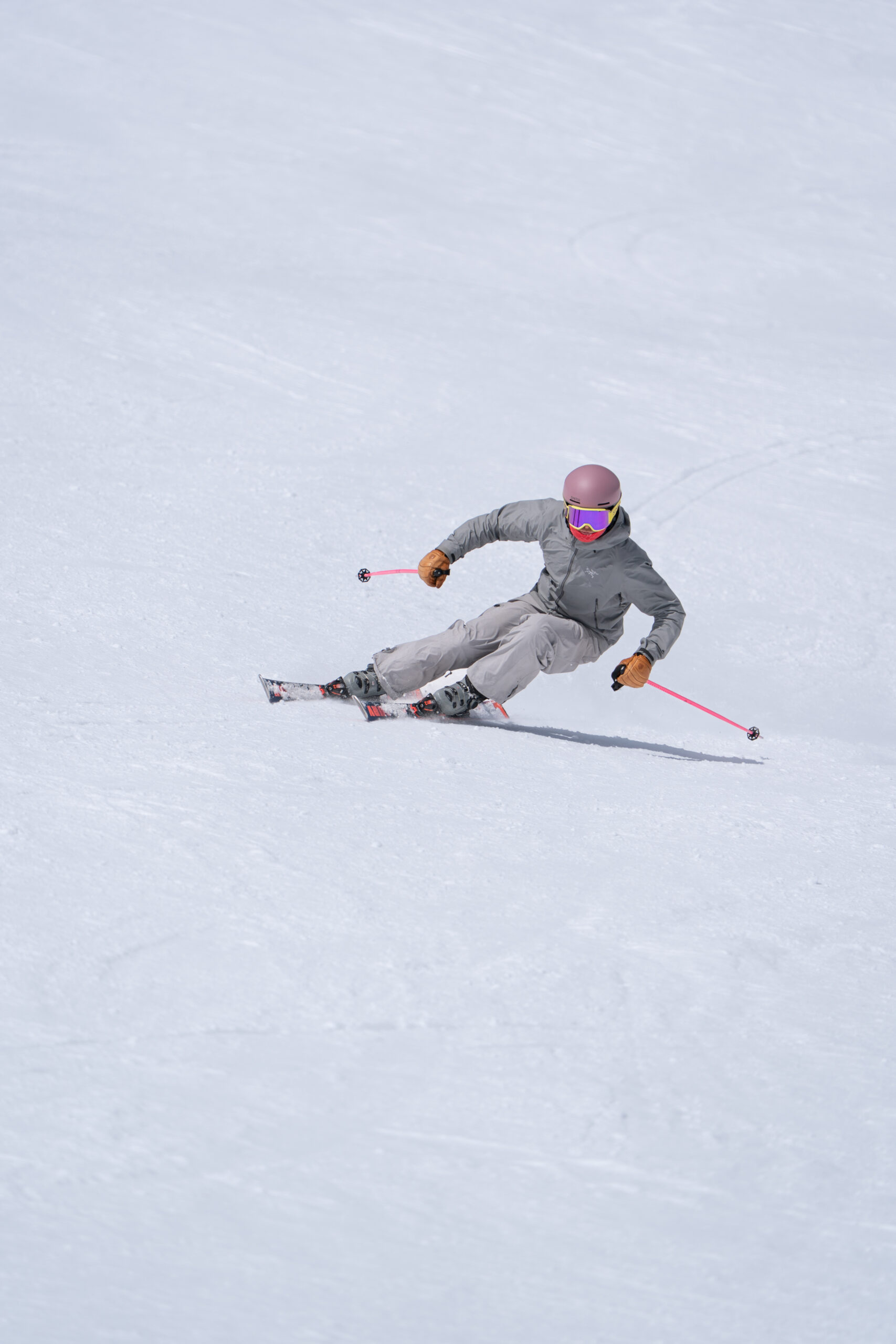
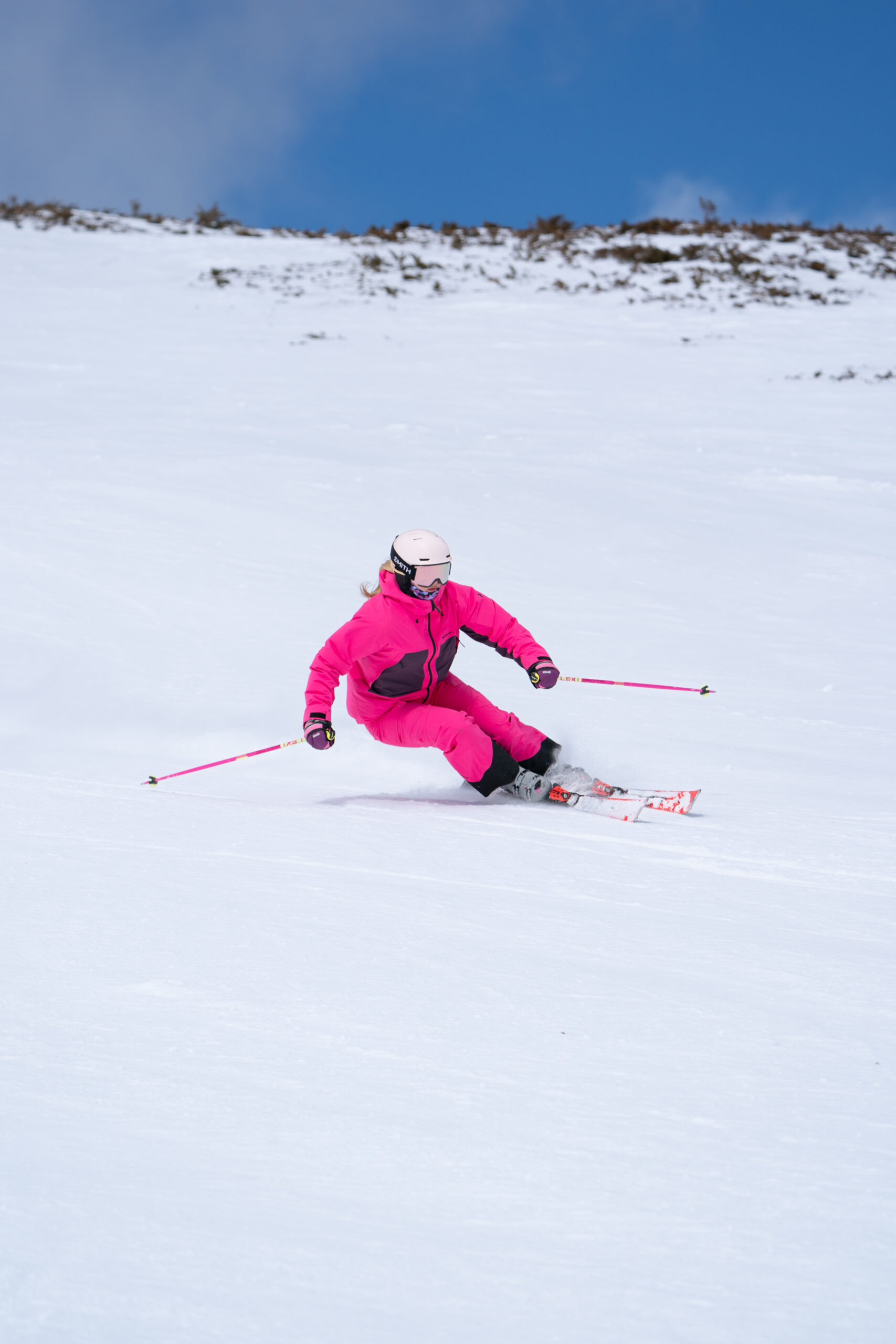
This is what the higher certifications buy you. Level 3 is where the lessons stop being beginner groups and start being advanced students on the terrain you actually want to be skiing.
CSIA encourage every Level 3 to attain the Trainer Designation. It builds the skills needed to train new instructors, and it is a mandatory requirement for all CSIA Level 1 Course Conductors.
It is also the gate to Level 4: you cannot enter the Level 4 programme on a Level 3 alone. If your long game is a career in instruction rather than a season or two, this is the point where the pathway stops being about your own skiing and starts being about other people's.
The highest achievement for a ski instructor in Canada, designed to develop the country's most skilled, adaptable and professional instructors. Level 4s become Course Conductors for Levels 2 to 4, snow school trainers, and take on resort management and industry leadership roles.
Prerequisites. Level 3 certification and the Trainer Designation. Extensive professional experience inside and outside the ski industry is valued and strongly recommended.
Skier Development, 4 days
High-performance skiing at expert speeds on expert terrain, demonstration scenarios applying expert skills at slower speeds, and achieving skiing objectives in a brush corridor.
Teacher Development, 4 days
Expert teaching strategies applied in peer teaching, with repeated practice teaching as both instructor and learner. CSIA recommend taking Skier Development first.
Feedback and development plans. You get ongoing feedback across all four days of each course, and a written Development Plan at the end of each, agreed between you and your course conductor.
Fitness. There is no physical test, but CSIA name strength, flexibility and agility as factors in both injury prevention and expert-level performance. Turning up unfit to a Level 4 is an expensive way to learn that.
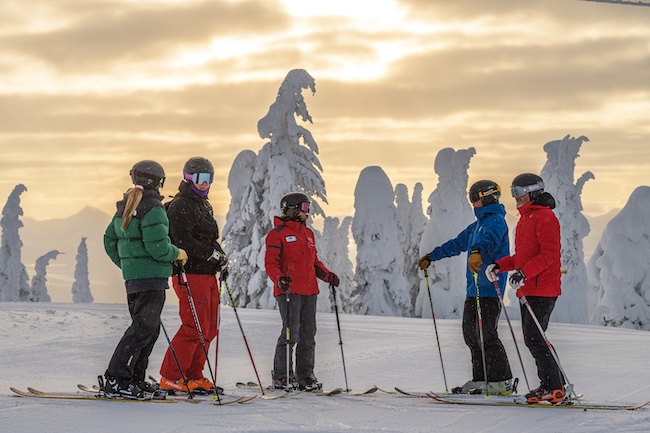
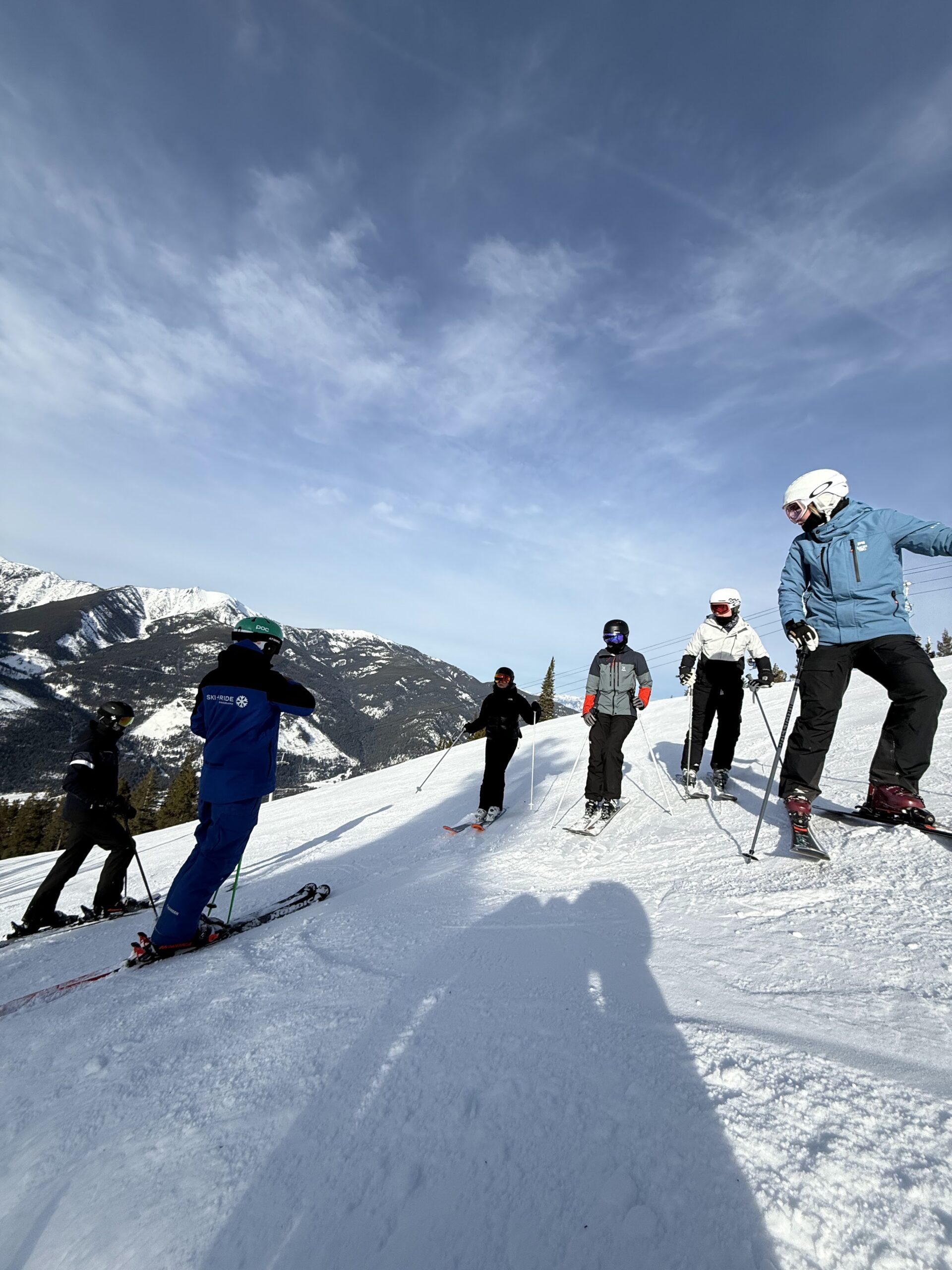

Be realistic about this one
Level 3 Is A Second-Season Goal.
If Level 2 is your degree, Level 3 is your master's. It takes a minimum of two years, and we would rather say that plainly now than watch you set yourself an impossible target in November.
intern has achieved a full Level 3 in their first season with us.
One. Unless you are arriving with a serious amount of mileage behind you, or you are a genuine freak of nature, treat Level 3 as a second-season goal and spend your first season getting very good at Level 2.
is the national pass rate in the second year.
Our interns tend to do better than that, but the realistic outcome is half of Level 3 passed in your second season, with a lot more getting across the finish line in their third. That is not failure. That is the shape of the qualification.
Why we still put first-years through Level 3 training
Because the training is worth doing even when the certification is a year away. We have put a lot of interns through Level 3 training in their first season and it is a genuine eye-opener — for the people on it, and even more so for the people who aren't. Towards the end of the season those not on the course watch their teammates' skiing accelerate away from them at a rate of knots.
This is high-level teaching methodology, delivered by Level 4 instructors at the top of their game. It is intense. For anyone with the stamina, the presence and a real focus on becoming an instructor, it has consistently been the most rewarding part of their season.
You will not walk away with the certificate. You will walk away several rungs higher up the ladder than you started, and set up properly for the following winter.
The Level 3 internship, and what it is actually for
Coming back for a second season on a Level 3 internship is the route that works. You arrive with a season of real teaching behind you, the Level 2 consolidated rather than freshly passed, and a year of mountain time in your legs. That is the difference between attempting Level 3 and being ready for it.
The other thing it buys you is focus. A second season without structure is very easy to enjoy and very easy to waste. The internship keeps you on the pathway and laser-focused on the next certification rather than drifting through a winter of good snow.
Read about the Level 3 internship →
The certification never expires. Your membership does. Those are two different things.
If It Doesn't Go Your Way.
Most people pass. Some don't, first time. This is what actually happens next, including the parts that cost money and the part nobody warns you about.
You will see it coming
Level 1 is ongoing assessment across three days, not one run. Your evaluator gives feedback throughout, and your WSC trainer will usually have flagged the risk well before you get there. Being told you are borderline is not a punishment. It is the only useful thing anyone can tell you at that point.
You retest the part you missed
Skiing and teaching are assessed separately, so a fail in one does not wipe out the other. A retest is normally done by joining the relevant days of another regular course — typically days one and two for a skiing retest, days two and three for a teaching retest. You do not repeat the whole three days.
You keep working in the meantime
Talk to your snow school director early. What you can and cannot do uncertified is their call and it varies by resort, but shadowing, assisting and non-teaching shifts are often still open to you while you wait for a retest date.
Around CAD $280 for a Level 1 retest
That is the published Level 1 retest fee at Sun Peaks for the current season, and it is a fair guide across BC. Fees are set per host resort, they change every year, and they climb with the level — a Level 2 or Level 3 retest costs more, and we won't quote you a number we can't stand behind. Check the fee on the course listing before you book.
Retests are not included in your programme. Neither is a refund if you cancel — expect an administration fee on top.
You may not be able to retest at your own resort
Courses run to CSIA's national schedule, not your resort's convenience. Your mountain might host one more Level 1 all season, or none. If the next course that fits before your season ends is at another resort, you go to it.
That means budgeting for more than the retest fee: transport, a few nights' accommodation, lift access, and time off work you would otherwise have been paid for. It is rarely a disaster, but it is rarely nothing either. Build a small contingency into your season budget and hope you never touch it.
At Level 2 and above, the clock is on your side
The Skiing and Teaching tracks are separate exams, and CSIA operate a partial-pass policy for Levels 2, 3 and 4 — you do not retake components you have already passed. Because certification is not time-limited, a missing component can be collected in a later season, at a different resort, in a different country if you end up there. Nothing you have passed goes stale.
What we do. If you need a retest, tell us. We will help you find the next available course, work out whether it is reachable, and talk to your snow school about your schedule. We can't sit it for you and we can't pay for it, but you are not left to work it out alone.
Membership, Money And The Small Print.
CSIA is a membership organisation, not just an exam board. Membership and certification are separate, and the annual fee is paid to CSIA, not to us.
What you need to sort
We cover membership at Level 1 only. If you are taking your Level 1 with us, we register and pay for your affiliate membership and tell you exactly when to do it. That is the only membership we cover.
Everything above Level 1 is yours. If you arrive already holding a Level 1 and are going for your Level 2, we do not cover that membership. It is on you to be a current CSIA member before training starts — same again for a Level 3 internship. No membership, no course.
Coming from another governing body? You still need CSIA affiliate membership before you fly. It can take time to organise. Tell us early, not late.
Renewal opens 1 September each year, alongside programme registration for the coming season.
What membership gets you
More than the card. CSIA members get lift ticket discounts, instructor insurance, access to scholarships, the online e-learning library, pro deals on equipment, travel discounts and tax benefits.
The e-learning library and the Ski and Teach the Canadian Way manuals are members-only. Once your membership is live, log in and use them. They are the same material your trainers teach from.
On course fees, and why we won't quote them here
CSIA set and publish their own course fees, and they change. What is included in your programme is set out in your quote, and your quote is the final word. If you are not certain whether your Level 2 modules and exams are covered, ask Emma before you fly. It is a five-minute conversation now and an awkward one in January.
Two costs that are genuinely yours either way: your annual CSIA membership renewal, and any resit. If you only pass part of a Level 2, 3 or 4 exam, CSIA have a partial-pass policy rather than making you retake everything — check their Programs FAQ for the current rules before you book anything.
Watch, Read, Register.
Everything official, in one place. None of it is compulsory before you arrive. All of it makes week one easier.
Worth watching before you fly — it will give you a feel for the standard your trainers are coaching you toward. Watch on YouTube →
Ours: why finding a Level 4 mentor in your first season does more for your skiing than any amount of solo mileage. Watch on YouTube →
For CSIA's full library of technical demonstration videos, the official channel below is the place to go.
Video
CSIA on YouTube
The official channel. Technical demonstrations, teaching approach explainers and event footage, straight from the source.
Members only
E-learning library
Ski and Teach the Canadian Way e-learnings and the technical manuals. Log in once your membership is registered.
Practical
Register and find courses
Every CSIA course is booked through CSIA's own schedule, not through your resort. Registration for the season opens 1 September.
Candidate guides, all four levels
Our own reading, on skiing
Straight Answers.
The questions people actually ask about CSIA, answered honestly rather than helpfully.
Is a CSIA Level 1 enough to get me a job abroad?+
What does the ISIA Stamp actually require?+
Can I skip Level 1 if I've instructed before?+
I failed one half of my Level 2. Do I retake the whole thing?+
How long does it realistically take to reach Level 3?+
Do I have to keep paying CSIA every year?+
Is the Snow Park route a shortcut?+
Who examines me, and are they on my side?+
What happens if the weather is extreme on my course?+
Should I read all the manuals before I fly?+
Next
CASI, explained The snowboard equivalent: the four instructor levels, the park stream, and how continuous assessment differs from a sit-down exam. → Preparing for your CSIA Level 2 What examiners are actually watching for, the mistakes that cost candidates, and how to spend your last five days. →


 Emma
 Rik
 Rik
 Emma
 Rob
 Iain
 Cass
 Mike
 Abbie