
92-97%
Level 2 pass rate
Our clients pass, and we publish the number rather than the marketing version of it.
6-8
In your training group
Professional CSIA and CASI trainers, small groups, and Level 4s on hand to learn from.
6
Canadian resorts
Panorama, Big White, Sun Peaks, Revelstoke, Fairmont and Nova Scotia. We will tell you which suits you.
7 days
A week of support
Phone and email, from your first enquiry to the day you fly home. A real person, not a portal.
Free
Visa guide and hand holding
The IEC process start to finish, plus a full refund if you are refused a visa or never invited.
Paid
Instructor job, on three conditions
Pass the ski school's interview, get your visa and pass Level 1. With our help, 97% of our interns get through all three.
No
Hidden extras
What we quote is what you pay. Everything else is set out in this guide so you can add it up yourself.
Since 2009
Placing instructors in Canada
Small enough to care, big enough to deliver. If we are not right for you we will say so.
Start here
Nobody Tells You The Awkward Half.
Every provider will happily tell you about powder days and friends for life. Both are true. What tends to go unsaid is that an internship is a job, that January is quiet, that you will teach four year olds who would rather be indoors, and that you always spend more than you planned.
This guide gives you both halves. Read it, argue with it, then ring us and tell us where we are wrong. We would rather you arrive with your eyes open than sell you a winter that does not suit you.
01 · What a ski instructor internship is
What An Internship Actually Is.
An internship is a full season inside a working snow school. You train, you certify, and then you are hired as a paid instructor for the rest of the winter. It combines on the job training with structured coaching, and it runs the length of the season rather than a few weeks of it.
Internship
Practical experience, paid, a whole winter
You qualify early, then work. Beginners, children's groups, school parties and families are your bread and butter. You are the workhorse of the snow school, and that is exactly where instructors are made.
It is the most affordable way to spend an entire season in a resort, because your wages carry part of the cost. The trade off is that your own skiing progresses more slowly than it would on a course.
Instructor course
All training, no paid work, faster progress
A course focuses entirely on your own skiing or riding and your teaching, with shadow teaching rather than paid lessons. You go as far up the certification ladder as your time and ability allow.
It costs more per week because nothing comes back in wages. If your goal is the best skier or rider you can be by April, this is the honest answer.
The middle road
The hybrid internship, for people sitting on the fence
Roughly a third training, a third paid work, a third your own time. You get course level training, you work when the resort is busy, and you free ski when it is quiet. On skis, Level 2 training rises to the full sixteen day programme.
The catch, and there is always one, is availability. The hybrid runs at Panorama and Big White only, and places are limited because the snow school can only carry so many part time instructors.
On a standard internship you are a full time working assistant instructor. On a hybrid you are a part time instructor. That single distinction changes your whole winter, so be clear which one you are buying.
Where our internships run
Five resorts take internships, and each has its own rules that matter more than the marketing photographs. Panorama runs ski and snowboard, and the hybrid. Big White is ski only and runs the hybrid. Sun Peaks is ski only, with no hybrid. Fairmont Hot Springs runs ski and snowboard. Nova Scotia is Level 1 plus a job placement.
We hope to add a Level 3 internship at Revelstoke for 2027/28, as a second season option. It isn't confirmed yet, so ask us.
Read that list twice if you are a snowboarder. It rules some resorts out before you have even started comparing them. See all the resorts, or compare prices and dates on our ski instructor internships in Canada page.
02 · Internship or instructor course
Work Seventy, Ski Thirty. Or The Other Way Round.
That is the whole decision in one sentence. Everything else is detail. Do you want to spend most of your winter working and some of it skiing, or most of it skiing and some of it working? Answer that honestly and the rest falls into place.
Do an internship if
You are working to a budget and want a full season rather than a few weeks of one.
You genuinely like being around children. Not tolerate. Like.
You want to become the best rounded instructor you can be in one winter, rather than the best skier.
You have the prerequisites, which means a minimum of fifty hours of experience with children and a solid standard on snow.
You are comfortable being the workhorse of the snow school, because you will be.
Do a course if
You want your own skiing or riding taken as far as it will go in the time you have.
You cannot spare thirteen weeks or more, or a full season feels like a lot for a first winter.
You have the funding not to need paid work to prop up the winter.
You fancy something other than teaching children. Ski patrol, for instance.
You want to spend longer learning from a mentor before you start teaching for a living.
One thing worth thinking about before you spend a visa
Most people hold one passport and get one two year IEC working holiday visa. Burning it on a season you take before university, when you have no intention of returning within two years, wastes the second year of something genuinely valuable. A course does not need a working visa. If instructing is a career plan rather than a gap year, spend the visa when it buys you the most.
03 · Skiing and snowboarding ability required
Is My Ability Good Enough?
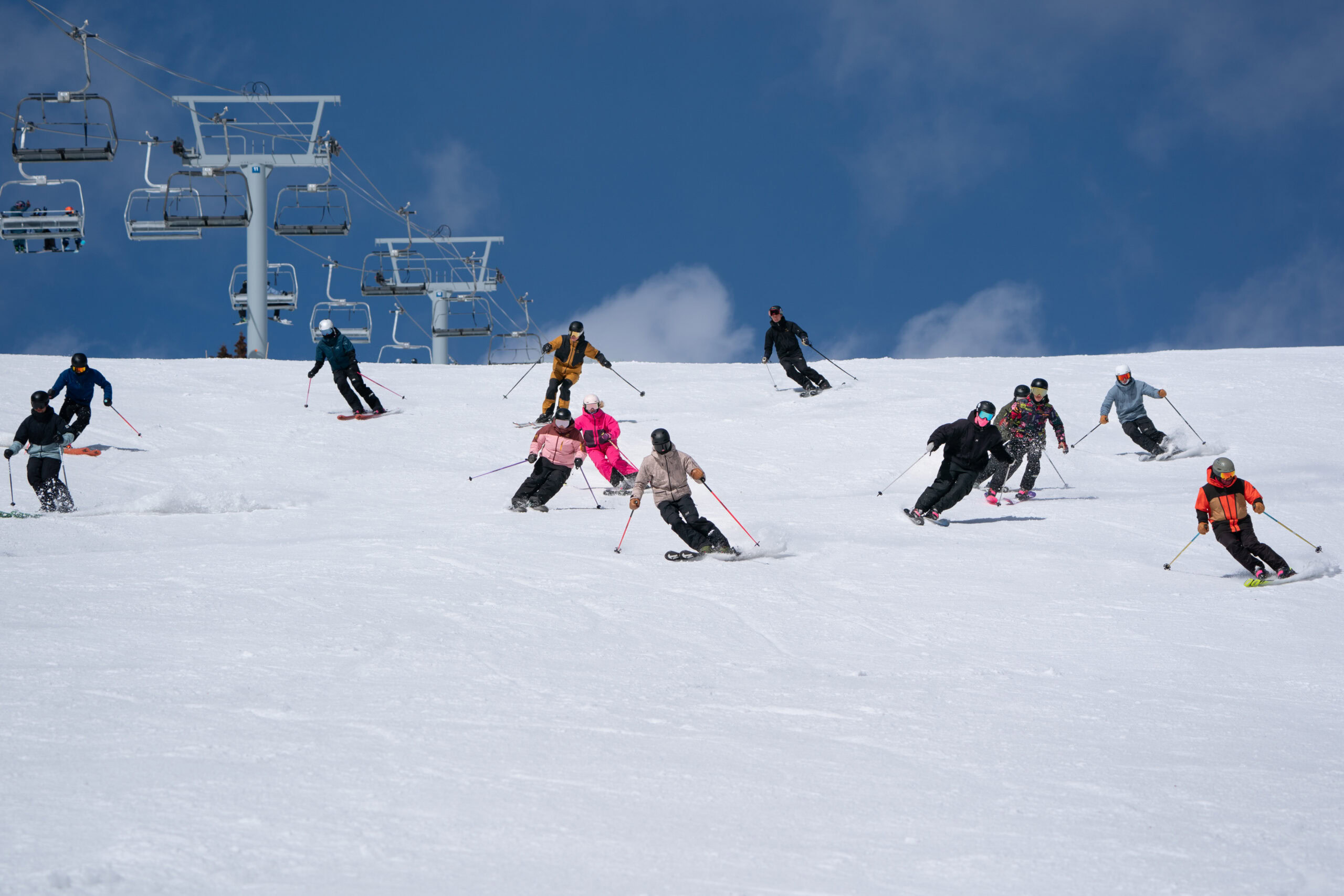
Usually yes, and more often than people fear. The honest test is not whether you can survive a steep run, it is whether you can ski or ride a whole mountain in control, all day, and still have the headspace to think about technique.
The blue run trap
European red runs equate roughly to North American blues. So if you tell us you are a confident red run skier, we hear a solid Canadian blue skier, which is exactly the ballpark we want. Do not undersell yourself by comparing piste maps.
Weeks on snow matter less than mileage
Someone with six family holidays who skied hard beats someone with twelve who skied to lunch. Be honest about which you are, because your trainer will work it out on day one anyway.
If you are rusty, say so
A gap of a few seasons is normal and it comes back inside a week. What causes problems is arriving at a standard you claimed rather than the one you have, and spending your training catching up.
Rate yourself
The skiing ability guide
Work out where you honestly sit before your consultation call, then tell us that number rather than a hopeful one.
Rate your skiing
Rate yourself
The snowboarding ability guide
Same job, different plank. Switch riding and comfort on a whole mountain matter more than tricks in the park.
Rate your riding
04 · The IEC working holiday visa for Canada
The IEC Visa. Start Absurdly Early.
It is a lottery with good odds, but you have to be in the pool to be drawn. Names come out regularly, sometimes weekly, sometimes monthly, and the longer you are in there the better your chances. Late applicants are the ones who miss seasons.
Step one
Get in the pool
The visa office typically opens in early January and closes around September or October. Join the pool the week it opens, not the month you book.
Step two
The invitation
Once invited you have a fixed window and a list of hoops. Miss a deadline and you go back to the start, so watch your email and your portal.
Step three
Documents and biometrics
Work application, CV, police report and biometrics, then the wait. Processing can take up to twelve weeks from invitation, which is why early matters.
Step four
Port of Entry letter
Your POE is only activated at the Canadian border, and it can be deferred up to twelve months from its date. So a visa in hand is not a season committed.
What if I am too old?
The IEC working holiday runs to thirty. Over that there are recognised organisation visas for people up to thirty five, and beyond that it gets more complicated but not impossible. Study routes and sponsorship pathways exist. Ring us rather than assuming the door is shut.
Who does the hand holding
We interview clients early, and resorts generally finish hiring in July and August for people who already hold a visa. Our clients get a free visa guide and phone and email support seven days a week through the whole process, which is why very few of ours fall at this fence.
Do not take our word for the support

05 · Choosing an internship provider
Four Questions To Ask Any Provider.
Internships are high demand and low supply. Within the first two months of the visa office opening you can expect around three quarters of Canadian internships to have gone. That scarcity is exactly why the small print about when your place becomes real matters.
When is my place actually secure?
Some providers only hold a provisional place until your visa or POE is in hand, which can be twelve weeks of limbo. Others secure it on deposit. Ask which you are getting, because it changes everything if you have a late eighteenth birthday or a slow visa.
Do you over subscribe?
In popular resorts where several companies place interns, snow schools sometimes end up over subscribed. First through the door gets the job, and a few unlucky people end up hunting for another internship at the last minute. Ask what happens if that is you.
Do I train and work in the same place?
Some programmes train you in one resort and move you to another to work. That is not a bad thing, but it is a different winter to the one you may be picturing, with a second lot of settling in. Get the full itinerary before you pay.
What happens if I do not get my first choice?
Ask the refund question now, not later. With us, if you do not get your first choice of resort and do not fancy your second, you get all your money back. Not every provider will put that in writing, and it is worth knowing which is which.
06 · Best Canadian resorts for an internship
There Is No Best Resort. Only Yours.
Spoiler alert. Nobody can tell you the best resort in Canada, because the answer depends entirely on what you want out of the winter. Qualifications, wages, nightlife and terrain do not all live in the same place. Put them in order of priority and the shortlist writes itself.
Put these in your own order
Size of the mountain and the terrain you will progress on.
Size and feel of the resort or town.
Snow conditions and how reliable they are.
Number of instructors in the snow school, and how many Level 4s are around to learn from.
Wages and average hours a week.
The daily commute, twice a day, all season.
Living conditions, and how many people share your room.
Nightlife, if that is genuinely what you are going for.
Big fish, small pond. Or the reverse.
A big resort gives you more terrain, a bigger snow school and more qualified people to learn from. It also splinters into groups, and you can be a small fish in a very big pond.
A smaller resort means everyone knows your name inside a fortnight, more responsibility sooner, and a tighter crew. The trade off is fewer runs and a smaller ski school.
Neither is better. But if you are going to gain qualifications rather than a social life, prioritise a school with Level 4s on hand and terrain that stretches you, and let nightlife come second.
Resort living or town living
Town is almost always cheaper. Resort is convenient and skips the bus. Some people love living in the village, others want a clear line between work and everything else.
The commute is the bit people underestimate. Twenty minutes is nothing. Forty minutes twice a day, in the dark, in February, is a different proposition. Check the journey on a map at the time you would actually be travelling.
On nightlife, and being honest about money
Canadians do not treat apres like the Europeans do, but the staff hub and the local hangouts are lively enough. Everyone is fizzing. You will not struggle to find a party if you look for one.
Which brings us to the warning. Do not do an internship on a shoestring. Living costs are moderately high, party mode is hard to disengage from, and you will spend more than you think. That is not a moral failing, it is just arithmetic.


07 · CSIA and CASI training and exams
What Training Do I Actually Get?
Nothing like a holiday lesson. These are professional instructor trainers with a fixed number of days to get you to a certification standard before the resort fills with paying guests. It is efficient, it is intense, and it is very good.
Level 1
Before Christmas
Around twelve training days as standard, eleven at Big White, then a three day CSIA or CASI exam assessed by an independent examiner. Coaching runs roughly four days a week in small groups, front loaded into your first weeks while the mountain is quiet.
Snow school protocols and familiarisation come through your staff training, which continues weekly all season. Work typically starts around the 19th or 20th of December, which is when the resort needs you standing in front of a lesson.
Level 2
In the January lull
Once the snow school quietens down after the holidays you get your dedicated Level 2 training, plus snow school training mornings. It varies by resort. At Big White that is ten training days, four days of modules and two days of exams. At Panorama and Sun Peaks on a standard internship it is eight training days. On the hybrid it is the full sixteen day programme.
The exam itself is four to six days of modules on skis, split into ski and teach. On a snowboard it is a four day continuous assessment with no separate module blocks.
Getting your Level 2 by the end of the season is a good, realistic goal. Do not plan beyond it. Some of you will be good enough to start Level 3 training, but that is a job for the following winters once you have taught a few hundred lessons.
The bill
What is included
Level 1 exam fees are usually included in an internship package. Level 2 certification generally is not, and you pay it directly to CSIA or CASI when the time comes. Always ask a provider which of the two you are being quoted.
For 2026/27, budget CAD 390 for the CSIA Level 2 exam. The CASI Level 2 runs CAD 690 to 760 depending on how early you book it, so book early and save yourself seventy dollars.
Affiliate membership of CSIA or CASI is required before training starts. We cover it at Level 1. Above that it is yours, including if you arrive already holding a Level 1. Read the detail on the CSIA guide and the CASI guide.
92-97%
of WSC clients pass their Level 2.
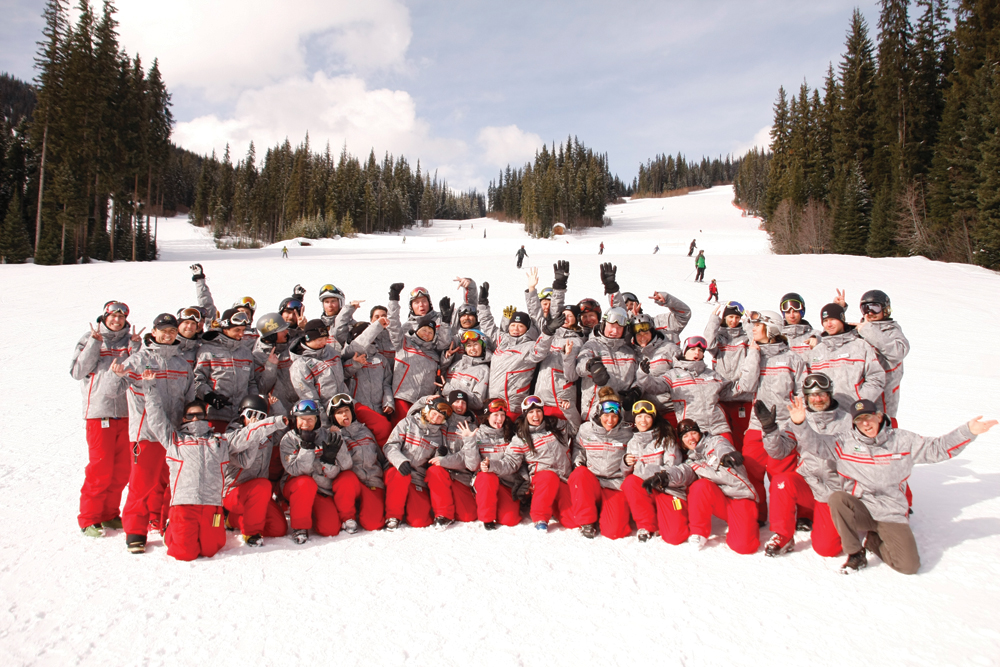
That is not luck. Our trainers know the exam standard inside out and coach you toward it from day one in groups of six to eight.
The handful who do not pass first time almost always get there on a resit, which you pay for yourself. Worth knowing before you assume the certificate is a formality.
08 · Paid instructor work, hours and wages
It Is A Job. Treat It Like One.
You are contracted to the snow school, not on an extended holiday. Turn up hungover, or not at all, and it reflects on the resort, the programme, us and every instructor standing next to you. Treat it properly, though, and it stops feeling like work somewhere around week three.
Hours
Bank on fifteen to twenty five hours a week as a skier, and generally a little less as a snowboarder. It swings hard with the resort's popularity, its proximity to a city and the conditions. Ask any provider what the baseline is across the whole season, not at Christmas.
Wages
A Level 1 instructor earns CAD 18 to 22 an hour, averaging 18 to 20 across Canada. A Level 2 sits at CAD 19 to 23. It is pinned to provincial minimum wage, so expect it to move. Boutique and outlying resorts sometimes pay better, and so does experience. Standby pays less than teaching.
Who you teach
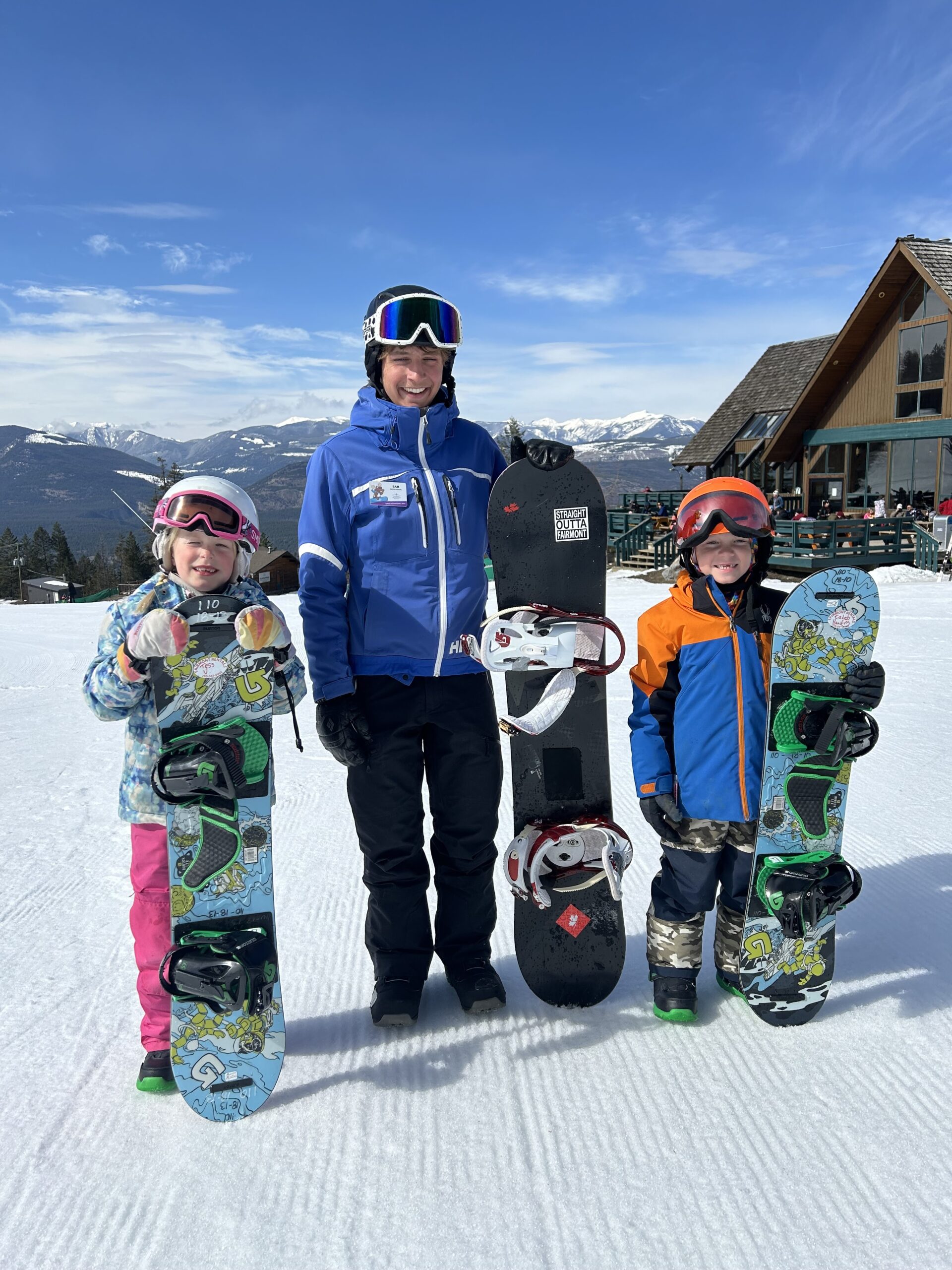
Tiny tots, school groups, families on holiday and local traffic. Most of them are desperate to be there, and you are the best thing about their week. Some days are genuinely difficult. Far more of them are the other kind. If you are strong and experienced you might get pulled into the race programme or the all mountain programme, which brings more hours.
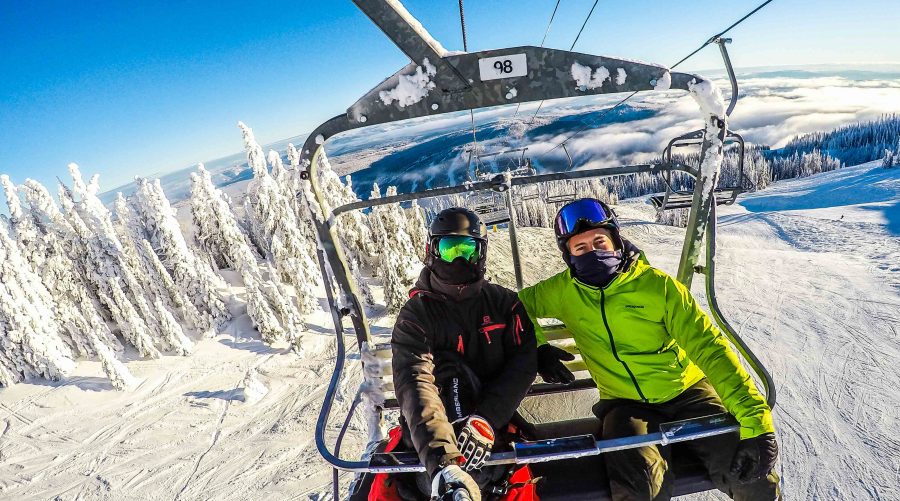
The good days outnumber the hard ones, and it is not close
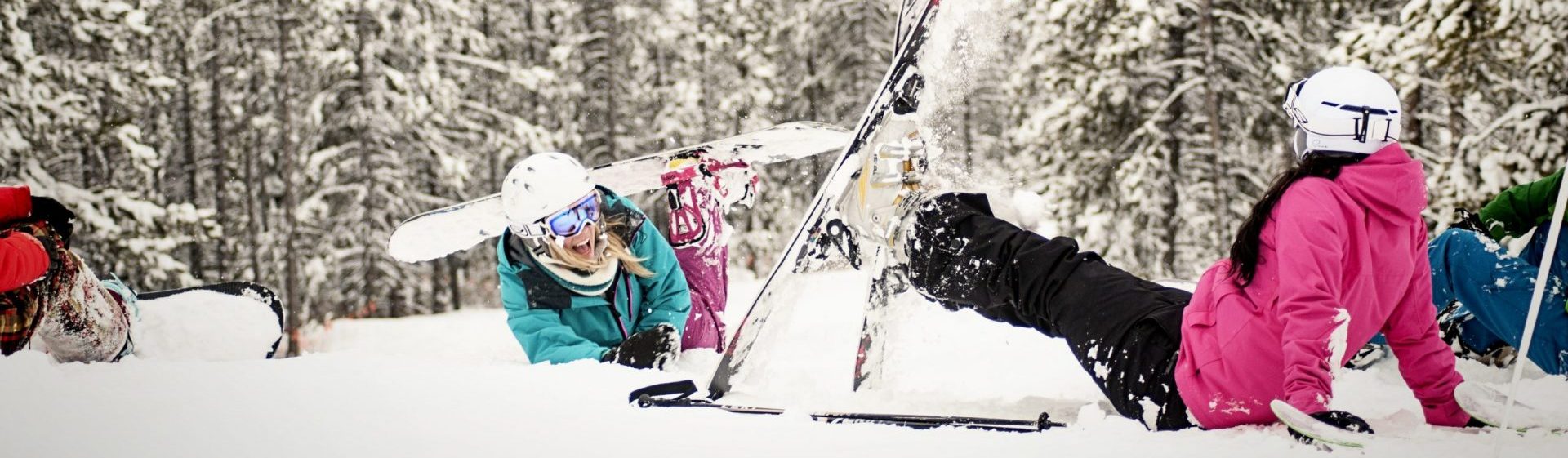
We have been honest about the four year old who wants to be indoors, because you will meet one. What gets undersold is that most of them are thrilled to be there. They arrive fizzing, they tell you everything about their week, and they want to show you what they can do.
You will get one who cannot stand up at nine and is linking turns by three, and you will not stop grinning about it. That is the job, most days.
You are somebody’s first instructor now
Think about whoever put you on skis or a board for the first time. Most people remember them, and most people remember how being taught well felt long before they remember any technique.
You get to be that person, several times a week, for a whole winter. Children look up to instructors in a way that will catch you off guard the first time it happens. Make their day and the qualification almost becomes the by product.
Days off are not evenly spread, so take the work when it is there
Christmas and the February half terms are relentless. Mid January can be quiet enough that you are twiddling your thumbs. Grab the hours when the resort is busy and you will have earned your down time when it is not.
Arrive fit rather than planning to get fit out there. It is long days outdoors in the cold, active for hours, paired with the occasional late night. Energy dips are a matter of when, not if. Eat properly, drink water, stretch. Our free eight week fitness guide exists for exactly this, and it is free whether you book with us or not.
 Get the fitness guide
09 · Staff accommodation in resort
Ask How Many People Are In The Room.
Accommodation is the single most overlooked part of an internship, and the thing most likely to make or break a winter. It is also the easiest question to ask on a phone call, so ask it.
Cheapest
Staff accommodation
Simple, no frills, dormitory in feel. Some resorts will put up to seven or eight in a room. Two to four is the norm. A single room is rare and worth its weight in gold.
Middle
Staff apartment blocks
Certain blocks are designated for resort staff, typically two rooms, two people per room. Better quality and more like a home than a hostel.
Priciest
Rooms in town
Often a self contained part of someone's house. More homely, more private, more money, and a commute of ten to thirty minutes each way.
What it costs, roughly
Across our resorts, expect CAD 650 to 1,000 a month. The bottom of that range is shared staff accommodation, the top is a private room in town. Where you land depends on the resort and how many of you are in the room.
On the hybrid we pay your accommodation for the whole season, so food and going out is all you budget. Wherever you land, expect a damage deposit up front and photograph any existing damage the day you move in.
10 · What a ski season in Canada costs
The Real Cost, Not The Headline One.
Some providers use the budget airline trick. A tempting headline price, then a final invoice that has quietly doubled. As a rough rule of thumb, expect to need an extra thirty five to forty per cent on top of your course fee before you land, to cover visas, flights, insurance, kit, Level 2 exams and spending money.
Season budget calculator
Course fees excluded, because those come from your quote. This is everything else, so you can see the number nobody puts on a brochure. Estimates only, and generous ones on purpose.
20
Where you will live
CAD 150
Batch cookers manage on eighty. Most people land between one hundred and two hundred. Bar rounds are what move this number.
Discipline
Flying from
Return flights from the UK or Europe, estimated at £800. Booked well in advance, and the group fare is often better than this.
£1,200
Sorted
Basic
Middle
Performance
What most of our clients spend. Decent skis or board you will not outgrow by February, good boots, and outerwear warm enough for a minus twenty morning.
Include in the estimate
Before you fly
£2,650Return flights, season insurance, visa costs and a middle of the road equipment set up, in sterling, before you leave. Course fees are not in this number.
On the ground in Canada
CAD 6,820Accommodation about CAD 3,000 over roughly 4.6 months. Food and going out CAD 3,000, Level 2 exam CAD 390, plus about CAD 440 of tuning, transport and odds and ends.
What you might earn back
CAD 3,780 to CAD 7,700Very rough, based on 15 to 25 hours a week at CAD 18 to 22 across 14 working weeks once you are qualified. Hours are never guaranteed, rates track minimum wage, and January is usually the thin month.
Estimates built from the figures in this guide, not a quote. Wages are never guaranteed and hours vary by resort and week. Put your real numbers to us on a call and we will go through them line by line.
Food and drink, the honest version
Typically CAD 100 to 200 a week depending on your cooking and your bar bill. We have savvy clients batch cooking and freezing, drinking at the accommodation and heading out later. We have others living on pot noodles and pasta pesto for eighty a week.
Resort supermarkets will make your eyes water. Shop in town whenever you can. Be honest with yourself at the start about how good you are at budgeting, because February is a bad time to find out.
Compare apples with apples
Start a spreadsheet. List every provider's fee, then add every extra underneath it. Lift pass, uniform, accommodation, Level 2 exam, transfers, tuning, insurance, the lot. The cheapest headline is rarely the cheapest winter.
Then read the reviews, good and bad, on Google, Trustpilot and Feefo. Ask to speak to previous clients. If a company is too eager to close you, or the bad reviews make you wince, walk away. Trust your gut.
11 · Ski and snowboard equipment
If You Are Wearing Five Layers, You Are Doing It Wrong.
Buy good clothing, then be ruthless about where the money goes. Splash out on the things touching you all day, every day, and budget on the rest. It is not a fashion show, and you will still overpack.
Equipment
Three broad tiers, ski or board. Basic around £850 for a serviceable first set up. Middle of the road around £1,200, which is where most of our clients land. Performance around £2,000 for kit that will carry you through a Level 2 and several seasons after it. Spend the money on your boots. That is the one place economising will cost you.
Choose well and one pair will see you through the season. Some people deliberately buy second hand for Level 1 training and save the money for a stiffer ski for their Level 2, which is a smart play if budgets are tight.
We can prearrange kit so it is waiting for you in resort, and if something is wrong we walk into the shop with you to sort it. Try getting that service from your local shop three thousand miles away.
Baggage and packing
Air Canada allows a free ski and boot bag, and your ticket should give you a hold bag, carry on and a personal laptop bag. That is enough for a whole winter. Genuinely.
You will be surprised how much you can leave at home. Uniform covers most of your working day, and the accommodation has a washing machine. Six pairs of jeans is not a plan.
Full detail lives in our clothing essentials checklist, the packing guide and the equipment guide, all free.


12 · The reality of a season in Canada
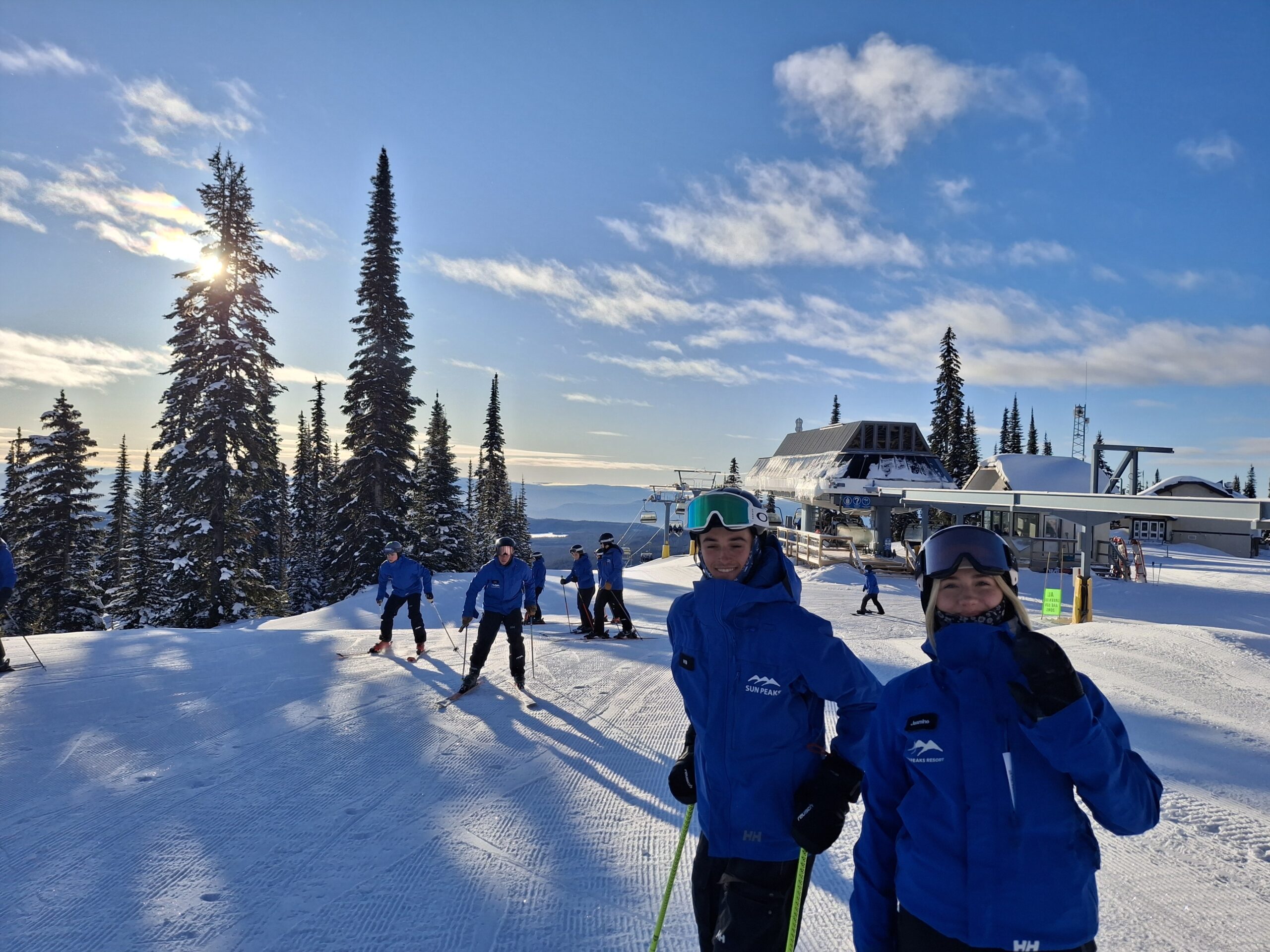
The Dream Versus The Reality.
It is a fantastic experience. It is also, for some people, quite daunting. If you have never been away from home for long, think hard about a full season, because the resort depends on staff who see it through rather than leaving in January.
What is genuinely hard
Some freezing days well into the minus twenties. Teaching a child who does not want to be there, in front of a parent who does. Being tired in a way you did not know was possible in week three. Missing home, usually around late January when the novelty has worn off and the resort is quiet.
Homesickness is normal and it passes. The people it floors are the ones who did not expect it. Now you do. If a full season still feels like a stretch, an eight, eleven or thirteen week course is a perfectly respectable way in.
What you get out of it
Friends for life, which sounds like a brochure line until it happens to you. Skiing or riding transformed. Confidence, patience and a much more worldly wise outlook. A qualification recognised across thirty eight countries. And a stack of afternoons where a child who could not stand up in the morning skis off grinning, which is a better feeling than any of us expected the first time.
And a CV that stands out. Employers read a season spent teaching children in a second language of cold and early starts as exactly what it is. Do not get hung up on the destination. You will have an unforgettable time wherever you land.

Hand this to whoever is worrying
There is a version of this written for your parents
Same honesty, aimed at the people funding it and lying awake about it. Insurance, supervision, what happens if you get hurt, and the questions they should be asking any provider including us.
Read the parents’ guide →Warning. Internships come with side effects. We will not be held responsible for your renewed attitude to university, or to a nine to five.
13 · Instructor jobs after your first season
My Season Is Nearly Over. Now What?
There are no wrong ways into this industry. There are, however, wrong ways to stay in it. The most common is handing more money to airlines than you invest in yourself.

Stay for the summer
Resorts need summer staff. Hospitality, housekeeping, front desk, golf course maintenance, pro shop, trail crew, SUP guiding, rafting. Put your hand up early. We also run limited Level 1 mountain bike internships and courses, and bike patrol work for ski patrollers.
Chase the winter south
Back to back seasons work for some people. Others prefer to use the full two years of the visa in Canada first. Shoulder season travel is cheaper, but work is harder to find as a newbie in a new town.
Or bank it and train harder
Every season is a choice between filling the bank account and gunning for the next certification. Unless you have savings it is a juggling act until Level 3, which is roughly where the money starts to look after itself. Reassess before and after every season.
14 · Ski instructor internship FAQs
The Questions People Ask At Eleven At Night.
Will I earn enough to live on? +
Probably not entirely, and anyone who tells you otherwise is selling. Wages cover a meaningful chunk of your food, accommodation and going out, particularly in the busy weeks. They will not cover your flights, your kit or your Level 2 exam, and January can be lean.
Treat your wages as a subsidy rather than a salary. Arrive with a buffer for the first four to six weeks, because that is when the spending is heaviest and the pay packets are still thin.
What if I do not pass my Level 2? +
Between ninety two and ninety seven per cent of our clients pass, but that is not a hundred, and the people who do not pass are usually as capable as the people who do. Sometimes a module goes badly on the day.
If you need a resit, you pay the resit fee yourself, which is a fraction of the CAD 390 CSIA or CAD 690 to 760 CASI exam fee, and most people get there second time. Your Level 1 and your job are unaffected. It is a setback, not a season ruined.
Am I really going to teach children all winter? +
Mostly, yes. Beginners, tiny tots, school groups and families. That is what the snow school needs and it is what a Level 1 or 2 is qualified for. If the idea of a whole winter of children makes your heart sink, an internship is the wrong product and we would rather tell you now.
Two upsides nobody expects. Teaching beginners makes you a far better technician than free skiing ever will, because you cannot fake a demonstration in front of a six year old. And most of them are brilliant company. They think you are the coolest person on the mountain, they are delighted by everything, and the day a nervous one lets go of your pole and skis away from you is genuinely one of the best feelings this job has.
Can I do an internship without the IEC visa? +
No. Paid work in Canada needs a working visa, full stop. If you cannot get one, or you are outside the age range and the alternative routes do not fit, a course is your option instead. It is not a consolation prize, it is a different and in some ways better product, but it does cost more per week because no wages come back.
I am a snowboarder. Does that limit my choices? +
Yes, and it is better to know now. Snowboard internships run at Panorama, Fairmont Hot Springs and Nova Scotia. Sun Peaks and Big White are ski only. Snow schools take fewer snowboard instructors than skiers because demand for snowboard lessons is lower, which also means slightly fewer hours.
Nothing about the training is a lesser version. Same trainer ratios, same exam preparation, same programme structure. There are simply fewer doors, so book earlier.
What happens if I get homesick and want to come home? +
You can go home. You are not a prisoner. But you are contracted to a snow school that has built its winter around you, and leaving mid season lets down your colleagues as much as your programme. Course fees are not refunded because you changed your mind.
In practice almost nobody leaves. The wobble comes in late January, it lasts about a fortnight, and talking to someone helps far more than booking a flight. If you know you struggle being away from home, be honest with us at the consultation stage and consider a shorter course instead.
How much will my skiing or riding really improve? +
A lot, but less than it would on a course, and that is the deal you are signing. You are on snow every day, which is transformative in itself. You are also spending much of it sideways on a green run next to a five year old.
If your priority is your own skiing above everything else, do a course or a hybrid. If your priority is becoming a rounded, employable instructor with a season of real lessons behind you, the internship wins.
Do I need to buy my own equipment? +
You need your own boots, no argument, and they should be fitted properly rather than bought online at a discount. Skis or a board you can buy out there, and we will come to the shop with you. Second hand for Level 1 and something stiffer for Level 2 is a genuinely sensible way to spread the cost.
When do I get my money back? +
You get a full refund if you are refused a visa, if you are never invited, if visas are not being issued, if we do not run the course, or if you do not get your first choice of resort and do not want your second. Send us a screenshot of your portal for the visa cases.
What we do not refund is a change of heart, or an injury. That is what insurance is for, so ask yourself how much you would want back if you hurt yourself on day one and base your policy on that answer. Full terms are on our website.
I am over thirty. Is that the end of it? +
Not necessarily. Recognised organisation visas cover some people up to thirty five. Beyond that there are study routes and sponsorship pathways, and they are more complicated but not impossible. Plenty of career changers make this work in their thirties and forties. Ring us and we will tell you honestly whether your route exists.
Still deciding
If the answers above raised more questions, these are the people who already went and did it.
15 · Your printable planning checklist
The Fridge Checklist.
Tick it on screen, or print it and stick it on the fridge where it will nag you properly. Everything below is in rough order, and the first three are the ones people leave too late.
Deciding
Visa and paperwork
Money and kit
Before you fly
All free, booked with us or not
The Rest Of The Guides.
We give all of these away because an informed client is a better client, and because the people who read them tend to arrive ready. Take what is useful and ignore the rest.
 Clothing essentials
What to actually wear, layer by layer, and the kit that is worth the money at minus twenty.
 How to book your course
When to secure your place, the flights and visa order, and how to avoid missing the programme that suits you.
 The price calculator
Build your winter and see the real number. No hidden extras and no from price that only exists on a wet Tuesday in March.
 The fitness guide
Eight weeks of preparation so week three does not flatten you. Free to anyone.
 The resort comparison guide
Terrain, snow record, snow school size, commute and nightlife, side by side.
 The internship comparison guide
Training days against work hours against time off, for every internship we run.
Rate yourself
The skiing ability guide
Nine honest levels, from first week on snow to skiing anything the mountain has. Work out where you actually sit before your consultation call.
Rate your skiing
Rate yourself
The snowboarding ability guide
Same job, different plank. Switch riding and comfort across a whole mountain matter far more here than anything you can do in the park.
Rate your riding
Unedited, and not by us
Read The Bad Ones As Well As The Good Ones.
We told you earlier to check any provider on Trustpilot before you hand over a deposit. Here is ours, live, with nothing filtered out. Do the same to everyone else you are considering.
Who wrote this
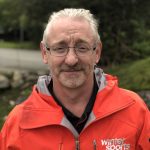
Rik Dyson, director, The Winter Sports Company
Former water sports instructor and ex superyacht captain, now director of The Winter Sports Company. Placing instructors in Canadian snow schools and expanding people’s horizons since 2009. We bring over a hundred clients to Canada and place up to forty to sixty people worldwide every year, designing summer and winter experiences for high calibre clients and intrepid backpackers alike.
Still small enough to care, big enough to deliver. If we do not have the right venue for you, we will point you at a company that does. That is not modesty, it is just cheaper than a bad season.
What clients and parents say
"I did the Level 2 internship and WSC set me up with plenty of training from great instructors, and made passing the exam a stress free process. We got set up with the Sun Peaks Snow School and got plenty of work and lessons right away."
Suzanna, Sun Peaks Level 2 internship · five stars on Trustpilot
"Our son hurt his foot and had to return home. As parents, we panicked, a poorly nineteen year old 4,500 miles away. But we needn't have worried. Rik and his in resort WSC team tirelessly supported and reassured both son and us."
Emma, parent of a Sun Peaks intern · five stars on Trustpilot
"Our daughter is currently on her second season with WSC. We had no hesitation of booking again. We definitely didn't feel like just another booking, exactly the opposite."
Stephen, parent of a returning intern · five stars on Trustpilot
Put Us On Speakerphone At The Kitchen Table.
One minute or one hour, it's free. Grab a pen and paper, fire your questions at us, then go away and decide. Internships disappear fast in the first two months of the visa window, so if you already know what you want, hold your place rather than hoping.
Book a free call with us→
Rather email? Get in touch→
See the courses and internships→
Compare the resorts→
 Join the newsletter
Season dates, visa window reminders and the odd honest word about the industry.
 Join the newsletter
Season dates, visa window reminders and the odd honest word about the industry.
Or request a call back, or ring the office on +44 1548 831152. Updated November 2026.
As Seen In...


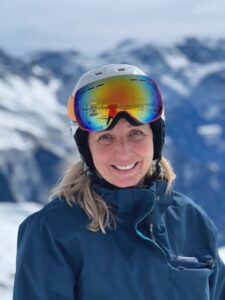 Emma
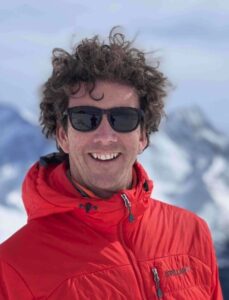 Rik
 Rik
 Emma
 Rob
 Iain
 Cass
 Mike
 Abbie