
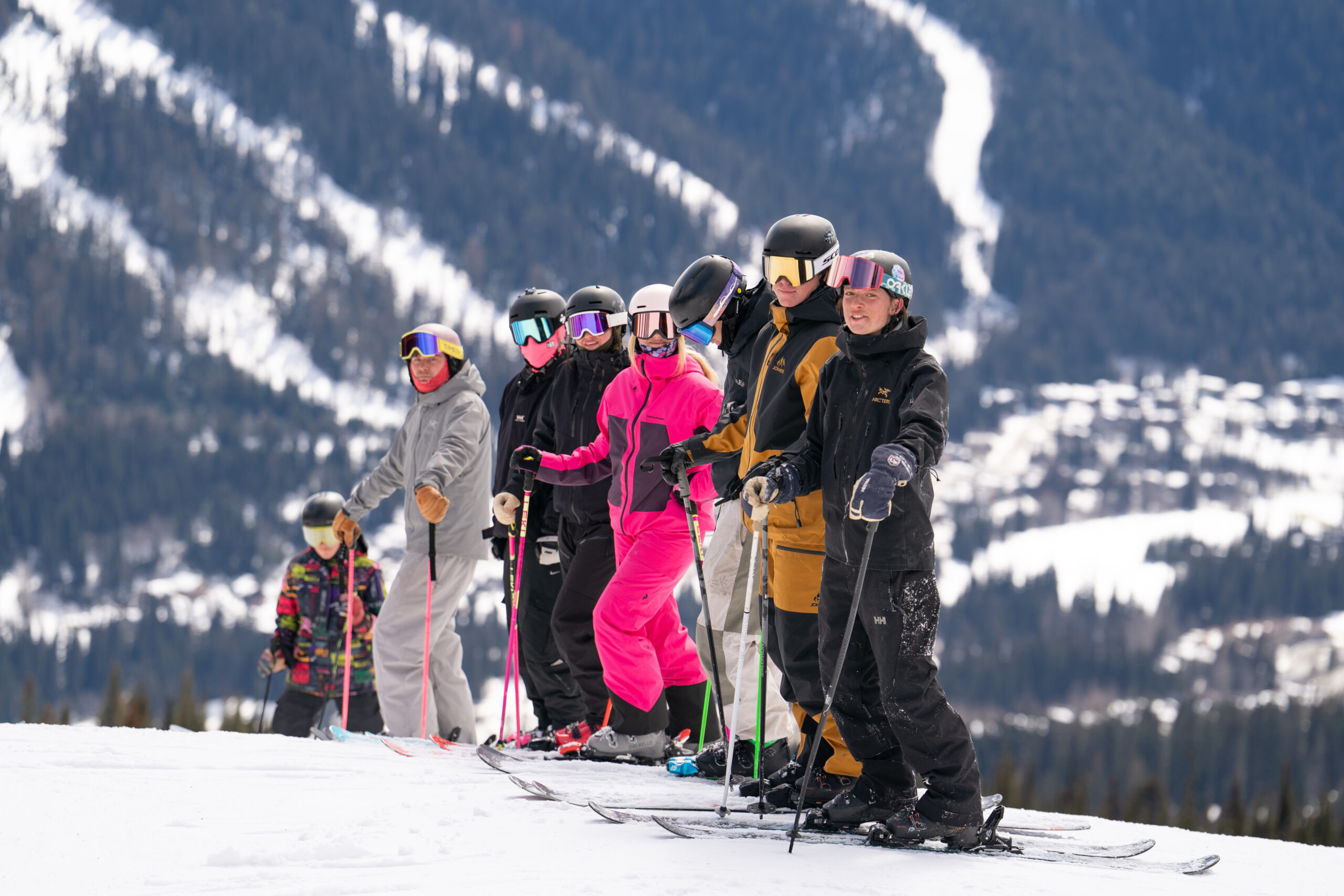
Never cotton on the hill
It holds sweat and makes you cold within the hour.
Dry beats warm
Wet kit stops insulating. Sort the shell first.
Canada is colder
Much colder than Europe. Pack for the cold end.
By Rik Dyson, Director, Winter Sports Company · Last updated
Layers matter more than logos. The goal is staying warm, dry and able to move for six hours on snow, every day, for a whole winter.
Think mountain goat, not catwalk. Get the layering right and your kit lasts the season without a second thought. Get it wrong and you will be cold, wet and distracted for weeks.
The principles work anywhere. The balance changes with where you are going: Canada is much colder than Europe, and wet coastal resorts ask different questions of your kit from dry inland ones.
Inside
1 The four-layer system
2 Jackets
3 Reading the labels
4 Down or synthetic
5 Canada and Europe
6 Why wet British cold is worse
7 Goggles and lenses
8 Fabrics that work
9 Head to toe
10 Snowboarders
11 What to wear on an instructor course
12 The checklist
13 What not to do
14 Where to spend, and fashion or function
15 Looking after it
The questions people actually ask
1
The Four-Layer System For Skiing And Snowboarding
Four jobs, four layers
Layer one
Base layer. Next to skin and moisture-wicking. Merino wool or a technical synthetic. Not cotton, ever: it holds sweat and makes you cold within the hour. Get two to three full sets, top and bottom. One to wear, one to wash. It is the thing most people under-pack.
Layer two
Mid layer. Your temperature dial. A fleece or merino mid layer you add and remove through the day. Some days you wear it from first lift to last, some days it is stuffed away by ten, so avoid anything bulky.
Layer three
Insulation. A proper insulated jacket, under your shell on the cold days and on its own around town. It is the layer people leave out and then wonder why they are freezing on the chairlift. It is also the thing you will wear most.
Layer four
Outer shell. Waterproof, windproof and breathable. Your armour. This is not the place to cut corners.
Think of it like the roof, walls and insulation of a house. The shell keeps the weather out, the insulation keeps the heat in, and the base layer is the damp course that stops sweat sitting against your skin. Take any one away and the house gets cold.
2
Jackets: What You Actually Need
The most expensive decision in your kit bag, so make it once
There are four types of ski jacket on the shelf, and the labels do not always make the difference obvious. For a single week in the Alps almost anything works. For a full season, the difference between them shows up by about the second week.
| Type | What it is | Honest verdict for a season |
|---|---|---|
| Hard shell | A waterproof, windproof outer with no insulation. You wear your own layers underneath. | The most versatile choice. Warm on the coldest days with a down jacket under it, cool in spring with just a base layer. Needs a good insulated jacket to go with it. |
| Insulated ski jacket | Shell and insulation in one garment. | Simple, warm and less to think about. Can be too hot in spring, and when it wears out you replace both jobs at once. |
| 3-in-1 | A shell with a zip-in fleece or insulated liner. | Fine for a holiday. For a season, usually heavier, less breathable and less waterproof than a proper shell, and the zip-in layer is often basic. |
| Soft shell | A stretchy, breathable, water-resistant jacket. | Lovely on warm spring days and for touring. Not waterproof enough to be your only jacket for a whole winter. |
The insulated jacket underneath
Whichever shell you choose, you need a proper insulated jacket too: down or synthetic, light enough to pack small, warm enough to wear on its own around town. You will wear it more than anything else you own. A gilet is a useful extra, not a substitute.
Features worth paying for
A helmet-compatible hood
Big enough to go over your helmet when the weather turns. A hood that only fits your bare head is useless on the hill.
Pit zips
Underarm vents that let heat out on a hard run or a warm afternoon, without taking the jacket off.
A powder skirt
An elastic band inside the hem that stops snow going up your back when you fall. Essential in deep snow.
Wrist gaiters and a lift pass pocket
Gaiters seal your gloves to your sleeves. A sleeve or chest pocket means you are not unzipping your jacket at every lift.
Room for your layers
Try it on with a base layer, a mid layer and your insulated jacket underneath. If you cannot lift your arms, it is too small.
Length and fit
Skiing jackets sit at the hip. Snowboard jackets run longer and looser. Either works, but the right cut is more comfortable all winter.
When to buy your jacket
The cheapest time is the end-of-season sales from spring into summer, when last year’s colours are heavily reduced.
The worst time is the week before you fly, when you take what is left in your size.
Buy it early, then wear it on a few cold, wet days at home so you know how it performs before it matters.
3
Reading The Labels
What the numbers on a jacket actually mean
Waterproof rating
Shown in millimetres. 10,000mm is a sensible minimum for a full season. 20,000mm and above keeps you dry on a proper wet snow day, and matters most on the coast or in Europe’s wetter resorts.
Breathability
Usually shown in grams. Higher numbers let sweat escape faster, which matters if you work hard on the hill or run warm.
Taped seams
Fully taped seams stop water getting in through the stitching. Critically taped means only the main seams. For a wet climate, look for fully taped.
Membrane
Branded waterproof membranes cost more and usually perform better and for longer. A good own-brand membrane can still do the job. The rating matters more than the name.
Water repellent finish
The coating that makes water bead and roll off. It wears off over a season and can be restored. More on that below.
4
Down Or Synthetic
Both keep you warm. They fail in different ways.
Down
Warmer for its weight and packs smaller. Brilliant in dry cold, which makes it ideal inland. Its weakness is water: wet down clumps and stops insulating. Fill power tells you quality, and higher is warmer for the weight.
Synthetic
Heavier and bulkier for the same warmth, but keeps insulating when damp and dries faster. The better choice for wet, coastal conditions, or if you sweat a lot.
5
What To Wear On The Mountain In Canada And Europe
The same layers, balanced differently
Canada gets much colder than Europe. Temperatures in the minus thirties are not unheard of inland. But cold is only half the question. The other half is how wet it is, and that changes your priorities more than most people expect.
| Where | Conditions | Prioritise |
|---|---|---|
| Canada, inland | Interior British Columbia and the Rockies. Dry, light snow and properly cold, especially on the chairlift in January. | Warmth. A serious insulated jacket, a balaclava, warm gloves or mittens, and hand warmers. |
| Canada, west coast | Coastal mountains near the Pacific. Milder, but much wetter, with heavy snow up top and rain at the base. | Waterproofing. A high-rated shell with fully taped seams, synthetic insulation, and a spare pair of gloves drying at home. |
| The Alps | Usually milder than Canada, sunnier, with cold mornings and warm afternoons. | Layers you can shed and vent. Lighter mid layers, and sun protection from February. |
| Japan | Heavy, frequent snowfall. Cold and often damp. | Waterproofing and a good hood. A powder skirt earns its keep. |
| Southern hemisphere | New Zealand and Australia. Changeable, often windy and milder overall. | Wind protection and quick changes. Four seasons in a day is not an exaggeration. |
Cover your face on the lift
Once it drops to around minus eighteen in Canada, exposed skin gets serious quickly. We have seen frostnip and frostbite on cheeks, noses and ears from a single chairlift ride without face cover, because you are sitting still in the wind with nothing generating heat.
A buff, snood or balaclava is not optional kit. Pull it up before you get on the lift, not halfway up.
6
Why A Wet English Winter Can Feel Worse Than Minus Twenty
We say it every year. Nobody believes us until they have stood in both.
Here is the thing that surprises people. Plenty of our clients come back from minus twenty in the Rockies and say the coldest they have ever been was a sleety February afternoon at home. Two degrees, horizontal rain, a wind off the sea, and a coat that gave up an hour ago.
It is not your imagination, but it is not quite the humidity either. CBC News spoke to a meteorologist who points out that below freezing, the air holds so little moisture that damp and dry cold air feel much the same. What changes everything is getting wet, and wind. An English winter is extremely good at both. Dry powder in the Rockies bounces off you. Sleet in the Peak District soaks straight in.
25x
Water conducts heat away from the body roughly 25 times faster than air.
5x
Wet clothing increases conductive heat loss about five times.
2x
Fresh snow almost doubles your UV exposure, which is why skiers burn on cold days.
Source: World Health Organization
The most important thing in this guide
Stay dry first. Warm follows.
Minus fifteen and dry is more comfortable than two degrees and sleeting, because wet kit stops insulating. So if you are choosing between a warmer jacket and a more waterproof one, pick waterproof. Change out of damp base layers at lunch if you can, carry a spare pair of gloves, and never let cotton anywhere near the mountain.
7
Goggles: Why One Pair Is Not Enough
Different light needs a different lens, and flat light is where people get hurt
The single most common kit mistake we see is one pair of dark goggles bought for sunny holiday photos. Then the first flat-light day arrives, the snow and sky turn the same shade of grey, and you cannot see the bumps under your own skis. It is like driving at night with sunglasses on.
Lenses are graded by how much light they let through, called visible light transmission or VLT. The lower the number, the darker the lens. Brands group them into five categories.
| Category | Light let through | Best for |
|---|---|---|
| S0 | About 80 to 100% | Night skiing and very low light |
| S1 | About 43 to 80% | Heavy snowfall, fog and flat light |
| S2 | About 18 to 43% | Mixed and changeable conditions, the best single all-rounder |
| S3 | About 8 to 18% | Bright sunny days |
| S4 | About 3 to 8% | Extreme brightness, glaciers and high altitude |
Ranges vary slightly between brands. Source: Giro, Burton.
How to shop for goggles
Take your helmet with you
Goggles and helmets have to fit together. A gap between the top of the frame and the helmet lets freezing air hit your forehead, which skiers call a gaper gap. Buying both from the same brand usually solves it.
Get two lenses, or an interchangeable system
One darker lens for sun (S2 or S3) and one lighter lens for snowfall and flat light (S1). Magnetic interchangeable lenses make swapping quick, even with gloves on.
Check the fit on your face
The foam should seal all the way round with no pressure on your nose. If you wear glasses, look for goggles labelled over-the-glasses, or wear contact lenses.
Look for double lenses and good venting
A double lens with vents at the top and bottom fogs far less. Photochromic lenses that darken in sun are clever, but slow to change in the cold and usually cost more.
When to buy goggles
Before you go, so you can try them with your own helmet.
Last season’s models are often discounted from spring onwards, and lenses rarely change much year to year.
Resort shops stock goggles too, but you will pay resort prices and choose from what is left.
8
Fabrics That Work
And the one that never does
Merino wool
Wicks, regulates temperature well and does not smell after a long day, which matters when you are wearing it every day. More expensive, and less hard-wearing than synthetics.
Synthetic
Cheaper, tougher and dries fast. The downside is that it smells sooner. A good choice for leggings and spare sets.
Fleece
Warm, light and cheap. The classic mid layer. Not windproof, so it always lives under a shell on the hill.
Cotton
Never on the mountain. It absorbs sweat, holds it against your skin and makes you cold. That includes jeans, hoodies and cotton socks.

9
Head To Toe, And Why
What each piece is actually doing
Head
A beanie, or a toque as Canadians call it, keeps the heat in. A buff, snood or balaclava is essential on the lift: from around minus eighteen, exposed skin can get frostnip or frostbite in a single ride. Wear a helmet every time you are on snow.
Eyes
Goggles for the hill with at least two lenses, and sunglasses for town. Snow reflects so much UV that eyes burn too, which is what snow blindness is.
Body
Base layer and mid layer, with the insulated jacket on the cold days. More than five layers and something is wrong, usually a missing insulated jacket.
Legs
A thermal base under your ski trousers always, and a light mid layer on the coldest days. Stretch and movement matter as much as warmth.
Hands
Good gloves are worth the money. Mittens are warmer if you feel the cold. Gloves give you better grip and dexterity. Liners add warmth and let you use a phone.
Feet
One thin, ski-specific sock. Thick socks make boots fit worse and your feet colder. If you run cold, look at heated socks or boot covers.
Boots for town
You will walk, shop and go out in these all winter on icy pavements. Grip and ankle support beat looks.
10
Snowboarders, Read This Bit
Same layers, different cut
The layering is identical. The cut is not. Snowboard jackets run longer and looser to cover your lower back when you are crouched or sitting in the snow, and the trousers are baggier. You also spend more time sitting and kneeling in snow, so waterproof trousers matter even more.
Buying new? Get the snowboard cut. Already own ski kit you are comfortable in? It works perfectly well. You will just spend more time brushing snow out of your back. Padded shorts are worth considering in your first few weeks.
11
What To Wear On An Instructor Course
Skiers and snowboarders, you will be colder than you think
A course day is not a holiday day. You spend a lot of it standing still: listening to your trainer, watching each other's runs, waiting your turn and talking through feedback at the side of the piste. Plan your warmth for standing around, not for skiing or riding hard.
A warm layer you can add
Keep a packable insulated jacket in your bag or under your shell. It is the layer you reach for while the group is stood in the wind for ten minutes.
Two pairs of gloves
You will take them off to write notes, use your phone and fix kit. Wet gloves never dry by lunchtime, so swap to the dry pair at the break.
Pockets that work
A chest pocket for your phone, so the battery stays warm, and somewhere for a small notebook. You will want to write feedback down before you forget it.
Snowboarders: waterproof trousers
Instruction on a board means a lot of sitting and kneeling in the snow. Cheap trousers soak through by mid-morning. Spend the money here.
Do not buy an instructor uniform. There is no dress code on a course. If you go on to work as an instructor, most ski schools issue their own uniform.
Exam days are not the time for new kit. Wear what you have trained in all season. New boots, gloves or goggles on exam day are a distraction you do not need.
12
Ski And Snowboard Season Clothing Checklist
Tick as you shop, or print it
Bring this
The core kit for a full winter.
13
What Not To Do
The mistakes we see every single season
Do not wear cotton on the hill
Jeans, hoodies and cotton socks hold sweat and snowmelt against your skin. Cold within the hour.
Do not buy a jacket that only fits you in a T-shirt
Try it on with your layers underneath. Too tight and you cannot add warmth when you need it.
Do not buy one dark lens and hope
Flat light will come, and a dark lens on a grey day is like driving at night in sunglasses.
Do not wear two pairs of socks
It feels warmer in the shop and colder on the hill. It squashes circulation and makes your boots fit badly.
Do not push goggles up onto your forehead
Warm air from your head fogs the lens. Keep them on your face or around your neck.
Do not wipe the inside of a wet lens
Most anti-fog coatings sit on the inside. Wiping them smears it. Let the lens dry and shake the water out.
Do not dry technical kit on a hot radiator
Direct heat damages membranes and down. Hang it in a warm room instead.
Do not believe that UK cold is nothing
Damp, windy days at home can be harder to dress for than dry cold. Pack for wet as well as cold.
14
Where To Spend, Where To Save
Put the money where it keeps you warm and dry
Spend on
The shell, the insulated jacket, goggles, boots and base layers. These are the pieces you wear every day and the ones that fail loudest when they are cheap.
Save on
Mid layers, off-snow clothes, beanies and neck warmers. A fleece does the same job whatever the logo says.
Buy end-of-season
Last year’s colour is this year’s bargain. Outerwear and goggles in spring and summer sales are often heavily reduced.
Helmet and goggles together
They are designed to fit each other, and buying them together is the easiest way to avoid a cold forehead.
Fashion brands, or the people who kit out the professionals
Walk into any ski shop and two kinds of brand hang side by side. Some make kit for ski patrollers, instructors and mountain guides who wear it eight hours a day, five days a week, all winter. Others are fashion labels with a ski line bolted on. On the hanger they can look identical. By February they do not.
Be wary of any range that changes completely every year. In our experience, a lot of that effort goes into new colours and new cuts rather than better fabric, better fit or more useful pockets. A jacket that looks different every season is not necessarily a jacket that works better.
Signs it is built for the job
The same core jackets carried over for several seasons with small improvements. Clear waterproof and breathability ratings. Fully taped seams. Pro or instructor programmes, where the brand supplies ski schools or patrol teams. Repair services and spare parts.
Signs you are paying for the look
No waterproof rating on the label, or a vague one. A slim fashion cut with no room for layers. Faux fur, big logos and fashion colours doing most of the talking. A completely new range every autumn, with last year’s gone for good.
A useful test: ask what the instructors and patrollers in your resort actually wear on their days off. They buy their own kit, they wear it more than anyone, and they have usually learned the expensive way.
15
Looking After It
Five months of daily wear is hard on anything
Hang wet kit up the moment you get in. Balled up in a corner overnight, it will still be damp in the morning. Rotate base layers and wash them often.
Wash technical outerwear with a technical wash, never fabric softener, which clogs the membrane. When water stops beading on your shell, restore the water repellent finish with a wash-in or spray-on proofer. Dry down jackets gently, and give them a proper tumble on low heat to break up clumps. Store goggles in their soft bag, which doubles as the only thing you should clean the lens with.
Honest answers
The Questions People Actually Ask
Do I need to buy all new kit?
Probably not. If your shell is still genuinely waterproof and your layers are not cotton, you are most of the way there. The things most worth replacing are old base layers, worn gloves and a single dark goggle lens.
Do I need to buy an instructor uniform for my course?
No. There is no uniform or dress code on an instructor course, for skiers or snowboarders. Wear good layers you are comfortable standing around in. If you are hired as an instructor afterwards, most ski schools issue their own uniform, so buying one in advance is money wasted.
What kind of ski jacket do I need for a whole season?
For most people, a waterproof hard shell plus a separate insulated jacket. It covers the coldest January day and the warmest April afternoon. An insulated ski jacket is simpler and works too, but it is less flexible in spring.
Is a 3-in-1 jacket good enough for a season?
For a holiday, yes. For a season, usually not. They tend to be heavier, less breathable and less waterproof than a proper shell, and the zip-in layer is often basic. You are better off with two good separate pieces.
What waterproof rating do I need?
10,000mm as a sensible minimum for a full season. 20,000mm or more if you are heading somewhere wet, such as the Canadian west coast or a lower European resort.
How many goggle lenses do I need?
Two. A darker lens for sun and a lighter one for snowfall and flat light. If you only buy one, an S2 lens is the best all-rounder, but it will not be ideal on the brightest or greyest days.
Can I wear glasses under my goggles?
Yes, if the goggles are designed for it. Look for over-the-glasses models with room in the frame and good venting. Many glasses wearers switch to contact lenses for the season.
Why do my goggles keep fogging up?
Usually one of four things: pushing them onto your forehead, wiping the inside of the lens, blocking the top vents with a hat or helmet, or a gap that lets your breath in. Fix those and most fogging stops.
Is merino worth the extra money?
For base layers, yes. It regulates temperature well and does not smell after a day on the hill, which matters when you wear it daily. If money is tight, merino for your top half and synthetic for your legs.
How cold does it actually get?
Inland Canada can reach minus twenty or colder on the worst days, though most days are milder. The Alps are generally warmer. Wind chill on the chairlift is the real enemy everywhere.
Why does a wet British winter feel so cold?
Mostly because you get wet, and wet clothing loses heat far faster than dry clothing. Add wind and a temperature hovering around freezing, and it can feel worse than a dry minus twenty.
Can I just buy kit when I get there?
You can, and resort shops are good. The catch is time and price: the first week is busy, and resort prices are not cheap. Arrive with your clothing sorted and treat the shops as a bonus.
Do I need an expensive brand?
No, but you do need the right kind of brand. Look for kit made for people who work on the mountain, rather than fashion labels that change their colours and cuts every year. Fit, warmth and waterproofing matter far more than the logo.
Sources
About the author
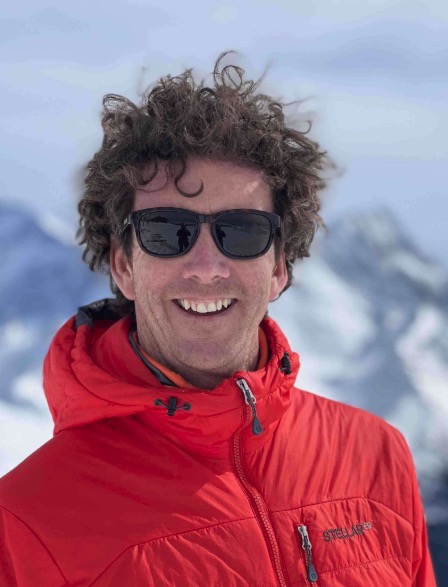
Rik Dyson, Director, Winter Sports Company
Rik has spent his working life between the mountains and the ocean. Superyacht captain, water sports professional, and now Director of Winter Sports Company, sending people off to a winter in the snow every year. He is also the one who picks up the phone when they get there. All of this material comes from 16 years of phone calls, meetings, lift chats, morning coffees, and the odd tall tale in the evening.
Planning a season?
Ask Us Anything, Even If You Never Book
Book a call and we will give you a straight answer, whoever you end up going with.
General information for anyone planning a ski or snowboard season, wherever they are going. Airline allowances, customs rules, entry requirements and electrical standards change, so check the current rules with your airline and the relevant authority before you travel. We have no commercial arrangement with any brand or retailer.





 Emma
 Rik
 Rik
 Emma
 Rob
 Iain
 Cass
 Mike
 Abbie