
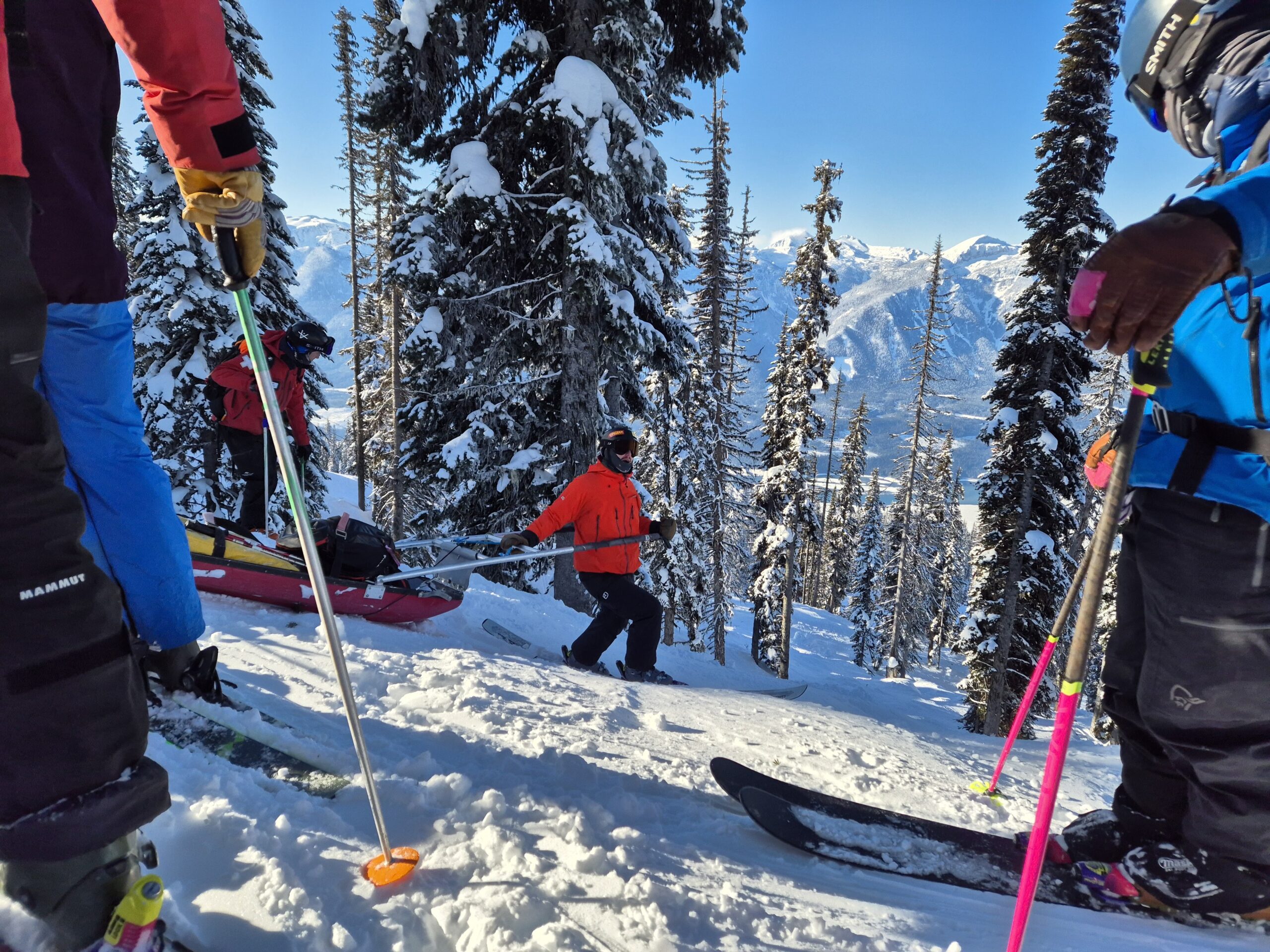
8 weeks at Panorama
13 January to 10 March.
Ten places, maximum
Small group, real mentoring.
12 days of NUEC A
Advanced emergency care, early on.
Train now, work next winter
No wages during the course.
By Rik Dyson, Director, Winter Sports Company, with Iain Satterthwaite, Sun Peaks Ski Patrol, and graduates George Tubbs and Findlay Morrant · Last updated
This guide covers what ski patrol really is, the training and tickets, the visa reality, the honest bit about the money, and whether patrol suits you better than instructing.
It is written for career changers, instructors wanting a change, and anyone with a medical, emergency, outdoor, military or engineering background. If you only have two minutes, read what people get wrong and the money.
Straight from patrol
We put our hardest questions to three patrollers. Iain Satterthwaite is a working BC ski patroller at Sun Peaks: seven seasons, two instructing and five on patrol. George Tubbs trained with us and is two seasons into patrol. Findlay Morrant also trained with us, did his first winter at Kicking Horse and is now at Revelstoke. Their answers run right through this guide, marked so you can tell them apart. Asked whether anything we told him before his course turned out wrong or missing, George said no. Findlay agreed, with one warning: expect to work for it, because it's not a holiday.
Inside
1 What the job really is
2 What people get wrong
3 Eight weeks at Panorama
4 What you train in
5 The tickets, and what comes later
6 The visa reality
7 The honest bit about the money
8 Jobs after the course
9 Could you handle this?
10 Are you ready?
11 Patrol or instructor?
The questions people actually ask
Part one
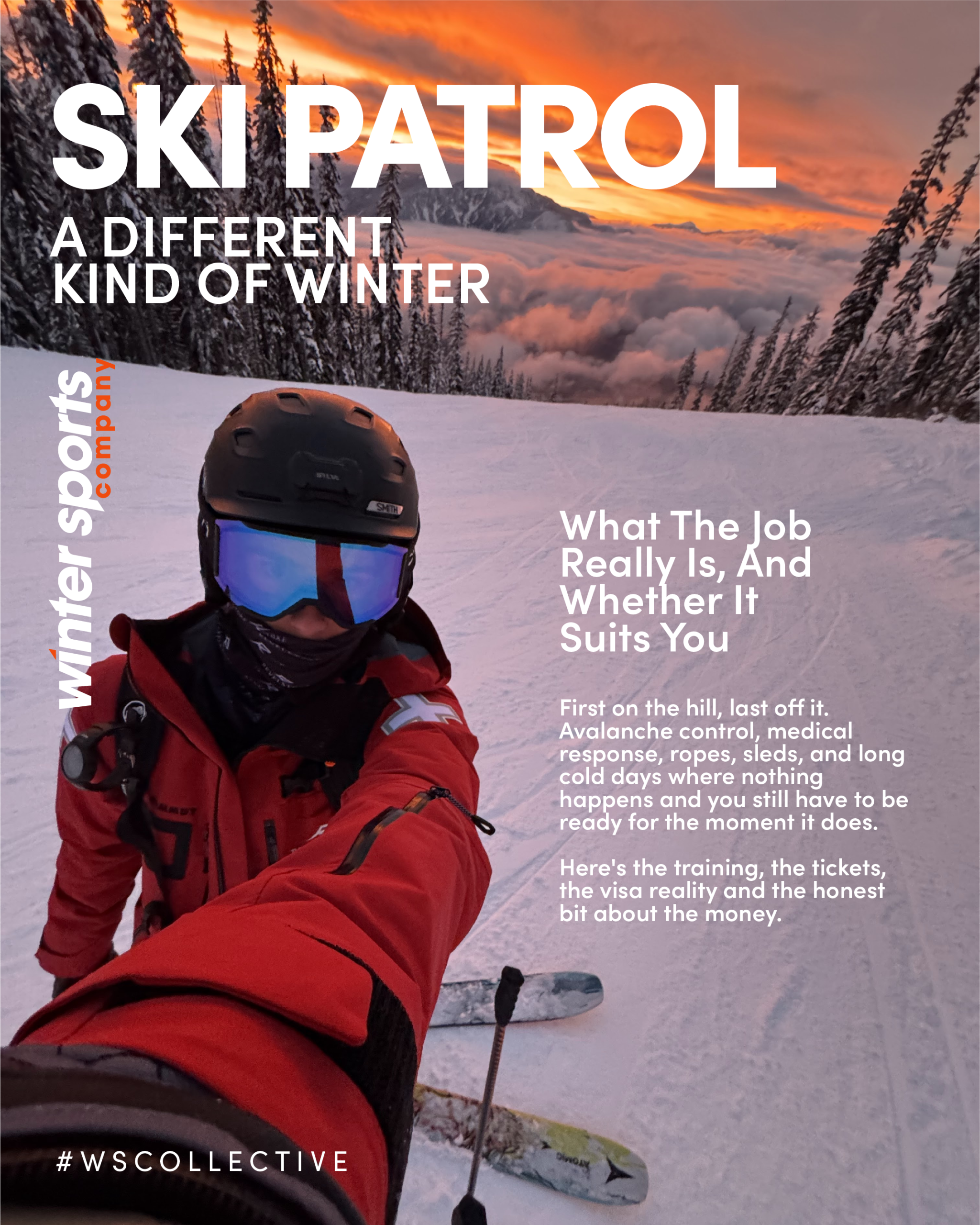
What Ski Patrol Really Involves
1
What The Job Really Is
Mostly cold and quiet, sometimes the most important person on the hill
Patrol keep the mountain open and safe. You open terrain in the morning, mark hazards, build boundary lines, respond to injuries, evacuate lifts, move patients by toboggan and sweep the hill at close. At avalanche-prone resorts, patrol also run avalanche control.
Here's the part the recruitment videos skip. A lot of patrol days are cold and quiet. You boot-pack snow, fix ropes and stand ready while your toes stop feeling like yours. It is not jumping out of helicopters. The job is being calm and competent on the one day in ten that really matters.
Iain comments:
"Patrol is predominantly emergency first aid. I didn't realise just how much first aid is involved, and I don't think that's obvious in the way it's sold."
George comments:
"I saw ski patrol as the heart of mountain operations. Obviously very focused on first aid, but also making sure the mountain is open and runs smoothly."
How it worksA rookie's day on patrol
6.30am
Start, 7am at the latest. On avalanche control days snow safety start around 5.30, but that is rarely a rookie’s job.
6.45am
A 15 to 20 minute briefing: weather, closures, who is on which part of the mountain. Then geared up and out within ten minutes.
7.00am
Opening. Check lifts and equipment are in place and fit for purpose, put back the signage moved for the snowcats, and mark or deal with anything the overnight weather has left.
10.00am
Pairs rotate round the mountain on standby for calls. Everyone else is on manual jobs: rope lines, signs, boot-packing. On quiet days you can spend hours in a hut at the top. Bring a book, ideally a first aid or ropes one.
Any time
A call comes in. Most likely a shoulder, a wrist or a lower-leg break. You are on scene, assessing, packaging the patient and running the toboggan down.
Midday
Around 30 minutes for lunch. The two coffee breaks usually get taken on the go.
4.00pm
The mountain closes. Patrol gathers at the top of each area and sweeps its allocated run, by head torch in midwinter.
4.45pm
A half-hour debrief: every call, what went well, lessons learnt, instructions for tomorrow. Then home.
As described by Iain Satterthwaite. Every patrol runs slightly differently.
George comments:
"The day would start with a morning meeting at about 6am: the weather, the conditions on the mountain and a plan of where everyone goes. Then up the gondola to the patrol hut, and morning checks of every trail for foreign objects and hazards. Lots of maintenance: fixing fence lines, maintaining runs. More first aid calls towards the end of the day. Then we'd strategically close the resort, guiding people in the right direction and sweeping every single run so nobody was stranded or lost. Once that was done, we'd have an end-of-day debrief."
How it worksYour rota
- Four days on. Full-time is usually four 10-hour days, 40 hours a week.
- You pick your block. You agree which four days at the start of the season. Want different days later? Find a colleague to swap with. Expect very early starts, and sometimes very late finishes.
- Explosives wait, at most resorts. Most rookies do not handle avalanche control explosives. Before you can even train, you need a letter of support from your employer and a Security Screening Approval Letter. That letter is issued by the Explosives Regulatory Division of Natural Resources Canada, and it rests on a criminal record check by the RCMP or local police, plus one from your home country. If you already hold a Possession and Acquisition Licence (PAL), a NEXUS or FAST card, or an NRCan Permis Général, you may be exempt from applying. Then you'd be encouraged to sit the CAA Blasters exam and, with a second employer's letter of support, the WorkSafeBC Blasters exam. None of it happens without your employer's backing and security clearance. Until then, you may be shown what is going on from a distance, always with a supervising blaster beside you. At avalanche-heavy resorts, rookies can be far more involved: see Findlay below.
- Skills training too. You'll do skills training as well, though not necessarily first thing. Every resort covers the same material, but each schedules it to suit the way it operates.
- The rookie jobs. The work the others would rather not do: putting up fence lines, replacing bamboo poles, filling in runs to keep them skiable, and moving gear around the mountain. You'll be kept away from the bigger first aid calls until you've proved you can be trusted with them.
As described by working BC ski patrollers. Every patrol runs slightly differently, so check with your resort.
Findlay comments:
"Four on, three off: four 10-hour days, usually including a weekend day. I'm up at 5.30 to be boots on for 7. In winter you just go to bed earlier because it gets dark earlier. Sweeps are one of my favourite parts of the day. You're still working, but at the end you're skiing an empty mountain with your friends."
Findlay comments:
"It depends on the resort. A friend at Sun Peaks threw two or three shots all season. At Kicking Horse I was on 36 control missions and 82 shots in my first season, which is an obscene amount. I'm not allowed near the explosives on my own, or to fetch them from the magazine, but I could build, light and throw shots alongside a certified blaster. After one season I had the experience to sit my blasting certification."
Iain comments:
"If you're a really keen rookie, you could be assisting on a call every day or every other day. You'd expect at least one call every four-day shift, either as lead or second in. It's mainly shoulders, wrists and fib-tibs."
George comments:
"There were probably 3 to 4 calls a day. The resort had a much higher level of skiing, so fewer injuries, but when they did come in they were a lot more severe. The most common were non-weight-bearing knee injuries: people who'd fallen, twisted a knee and needed help getting to the bottom."
Findlay comments:
"My hill was quiet for calls. Our busiest day was about 1,700 people, so I did maybe one a week, sometimes one every two weeks. At resorts with thousands on the hill you could be on three a day. The bread and butter was knees, wrists, collarbones and dislocated shoulders. I did a lot more avalanche control than first aid."
Findlay comments:Coping with the cold, and the quiet
- It's a dry cold. Minus 20 to minus 25 can feel like a damp 2°C at home. It bites hardest when you're standing still.
- Feet. When he's stood still and his feet go cold, he undoes his boot buckles to let the circulation back. Fast-drying merino socks beat thick ones you sweat into. Some patrollers only manage with heated socks.
- Hands. He runs thinner gloves for dexterity, with a spare pair of liners in his pocket.
- Face. People on his course got frostnip on their noses and toes. Wear a buff, use boot covers and hand warmers, layer up. Or, he says, grow a very big beard.
- The dull bit. Holding the hut for an hour or two. Talk to the lifties, then find small jobs: dig out a staircase, pull out and repack a rope. It shows initiative, and it passes the time.
As described by Findlay from his first winter on patrol. Every resort and every body is different.
A quick test
If teaching kids in the cold, with tantrums and toilet trips, sounds like your idea of hell, and charging into avalanche debris with a probe and a stretcher sounds like a calling, patrol is probably for you.
2
What People Get Wrong
Seven things we correct on almost every patrol call
It is mostly rescues and heroics.
Most days are sweeps, signs, rope lines and standing in the cold. When it is busy, it is first aid, not avalanches.
The course guarantees you a job.
No one can promise that. Treat the eight weeks as a very long job interview.
You need a working visa to train.
You only need an eTA for the course. The working holiday visa is for the winter you work.
Nurses and paramedics skip the first aid.
You still sit the NUEC A. Your background just makes it much easier.
You earn while you train.
You don't. Budget for eight weeks with no wages.
You'll do avalanche control in your first season.
Rarely, though it depends on the resort. Working alone with explosives needs employer support, security screening and blasters' exams first.
Inbounds terrain is always safe.
Not 100%. Small inbounds slides do happen, even on terrain that has been controlled. Ski with a buddy, always.
George comments:
"You will 100% have bad days, and you will fall out with people. That's a given, because of the hard environment you're working in, and the strain you sometimes put on your own body. Some days you won't want to go in, because it's so early and you've had a rubbish sleep. You need to push through, and understand better days will come."
Findlay comments:
"Storm days teach you the most. Visibility can drop to a metre, slopes load up fast, and the ground can start moving under you before you've seen it. The lesson I'd pass on: in BC you have the right to refuse unsafe work. If the light's gone and a slope looks loaded, say so. Experienced patrollers would far rather hear it."
You can say no
In British Columbia, every worker has the right to refuse work they believe is unsafe. A rookie who says "this doesn't look safe to us" is doing the job properly. The team would far rather hear it than dig you out.
The course
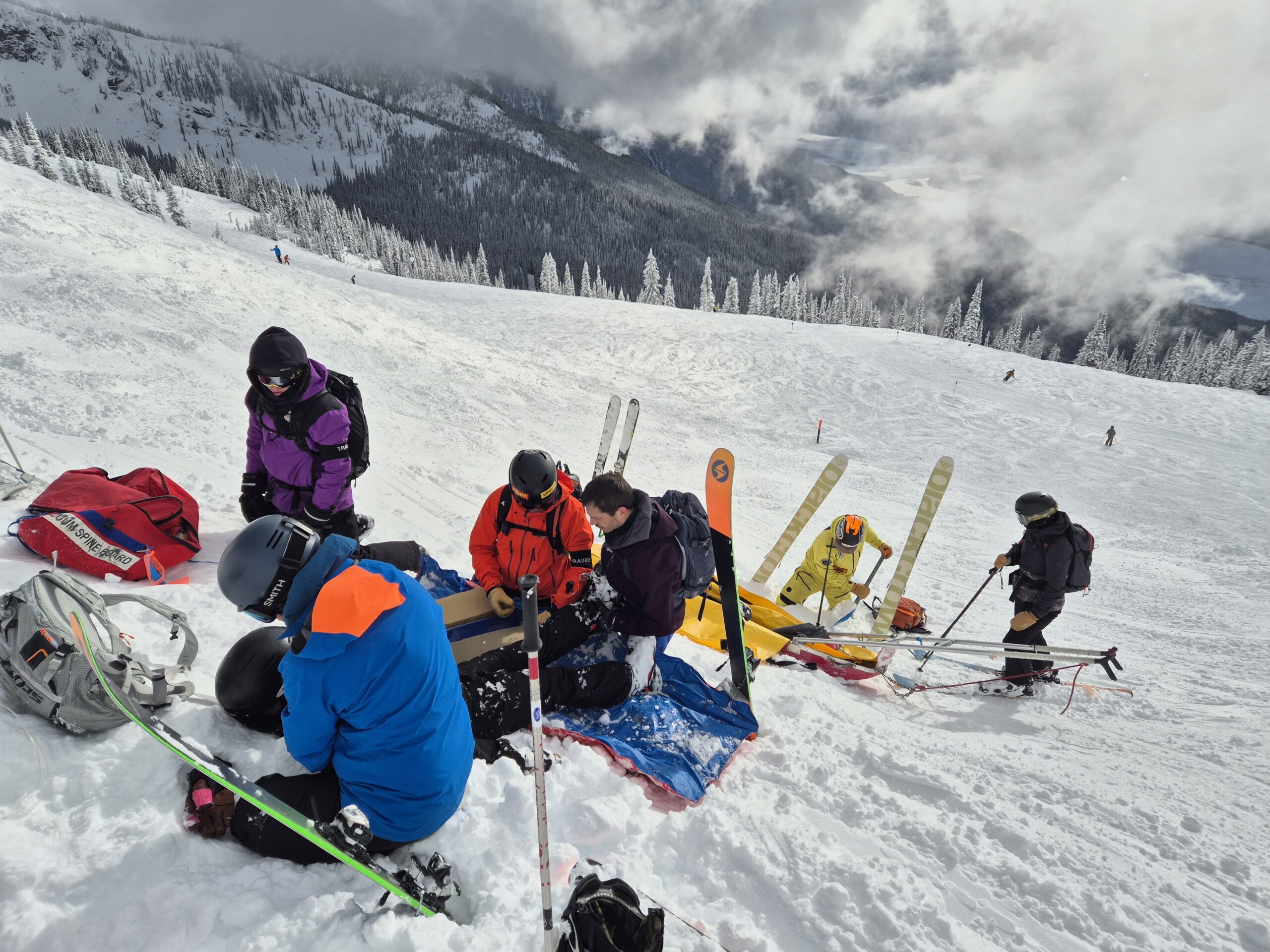
Eight weeks. Ten people.
Taught by paramedics and Panorama's own Mountain Operations team.
Part two
The Training, The Tickets And The Visa
3
Eight Weeks At Panorama
Where the course began, and where you have the best chance of work
This season we run patrol training at Panorama, British Columbia only. It is the resort where the course began, and it gives you the best realistic chance of work afterwards.
| The course | Details |
|---|---|
| Dates | 13 January to 10 March. A nine-week option from 7 January adds a compressed CSIA Level 1. |
| Price | £6,950, shared room. Own room for a supplement, as per your quote. |
| Group | Ten people maximum. |
| Taught by | Paramedics and Panorama's Mountain Operations team. |
| Home | Shared apartments in Invermere, with a free 20 to 25 minute shuttle to the hill. |
How it worksLiving in Invermere
- The shuttle. It runs on time, weather aside, but it picks up along a route. Be at your stop five minutes early, especially early season: there may be six seats for ten people, and the last one waiting gets the next bus.
- A car. You don't need one, and the running costs are brutal. Patrollers on early starts often share one between three or four.
- Food. The USave in town was the cheapest he found, but you need the bus or a friend's car to get there.
- Days off. Quiz and karaoke nights, trips to other resorts, ski touring, hockey, and a huge frozen lake to skate on. George skied on most of his, and saved shopping and washing for days when the snow wasn't worth it.
- The social life. George found it really good in a small town: everybody is there for the same reason, and everyone is there to have a great time.
- When the course ran at Revelstoke. George trained there, rated the accommodation highly, never missed the shuttle and spent about CA$200 a week on food. His first-year house group was amazing and got on perfectly. The next year, a bigger house with two courses split into smaller groups, though everyone still got on. Invermere is a different town, so treat that as a guide, not a promise.
As described by Iain Satterthwaite. Every patrol runs slightly differently, so check with your resort.
Week by week
Week 1
Arrive and settle. Fly into Calgary on 13 January, orientation on the 14th, then days to learn the mountain and get into your pre-reading.
Weeks 2 to 3
NUEC A. Twelve days of advanced emergency care with paramedics, ending in the exam. The hardest fortnight of the course.
Week 4
Onto the hill. First patrol and mentoring shifts, then two days of Avalanche Skills Training.
Week 5
Avalanche rescue. A patrol day, four days mentoring over the long weekend, then, if confirmed, four days of AVSAR Level 1.
Weeks 6 to 7
Working with the team. Patrol training blocks and mentoring shifts: ropes, lift evacuation, toboggans, real incidents.
Week 8
Heli day and home. The heli rescue scenario on 8 March, a day to breathe, and you fly home on 10 March.
Taken from our 2026/27 operations schedule. Exact days can move with the weather.
Iain comments:
"People who hadn't prepared failed. Those that came prepared passed. Unless you've got a photographic memory, you need to sit down and read the materials properly before you arrive. I spent about eight weeks on and off."
Come ready to work. The first week is tightly organised because there is a lot to get through, so expect to study most evenings and get to bed early. The scenarios are realistic, and on mentoring days you get out what you put in: engage, and the mentors engage with you.
George comments:
"The first week was very organised, from arrival to getting our passes and our gear. It was a very full-on week, meeting loads of new people and getting a whistle-stop tour of the patrol world. The only thing left to us was organising dinner on the nights we didn't have a chef."
Findlay comments:
"The first aid days are long and the pace is fast, but the instructors are patient. They won't drag you through slides, because at the end of the day it's someone's life in your hands. It's a written paper, then a medical and a trauma scenario, and you have to pass each one. There are rest days in the middle, and you'll need them."
Mentoring days are very full. George found they were best with a seasoned patroller who was passionate about the job, and that it depends who you're with: some mentors aren't great at giving instructions, others are very good at finding you jobs and explaining what to do. You'll often be trusted, but on busy days, with serious calls going on, expect to be left to it. That's understandable.
4
What You Train In
First aid first, so you are useful early
NUEC A
Non-Urban Emergency Care, Advanced. A two-week first aid course with an exam, plus two days of Advanced Protocols.
Avalanche
Avalanche Skills Training and companion rescue, and we are working to add AVSAR Level 1 this winter for £150. We will confirm on your quote.
Ropes and lifts
Rope rescue, lift evacuation and self-evacuation, drilled until the knots are automatic.
On the hill
Toboggan handling, risk management, incident investigation, ten days of mentoring and a heli rescue scenario.
George comments:
"The toboggan driving and first aid scenarios prepared me best for the real job. The avalanche courses helped a lot, though they didn't come into play as much as a first-year patroller. Lift evacuation and ropes was harder than it looked: the knots and rope management need to be pretty much perfect, or you'll struggle. Practising them in the evenings and in my time off helped. There were no wasted days. Even at the end of the season, with hardly any snow, there was still a lot to learn."
Findlay comments:
"Toboggans are easier than you think if you're a strong, stable skier, but they can get you into awkward situations, so respect them. I've since run them on sheet ice and in knee-to-hip-deep powder. Ropes were more alien to me, and anyone scared of heights found it harder. The lift evac was really useful. Pick-off training as a big group gave me fewer repetitions than I'd have liked, but your resort covers it again once you're hired."
Toboggan training
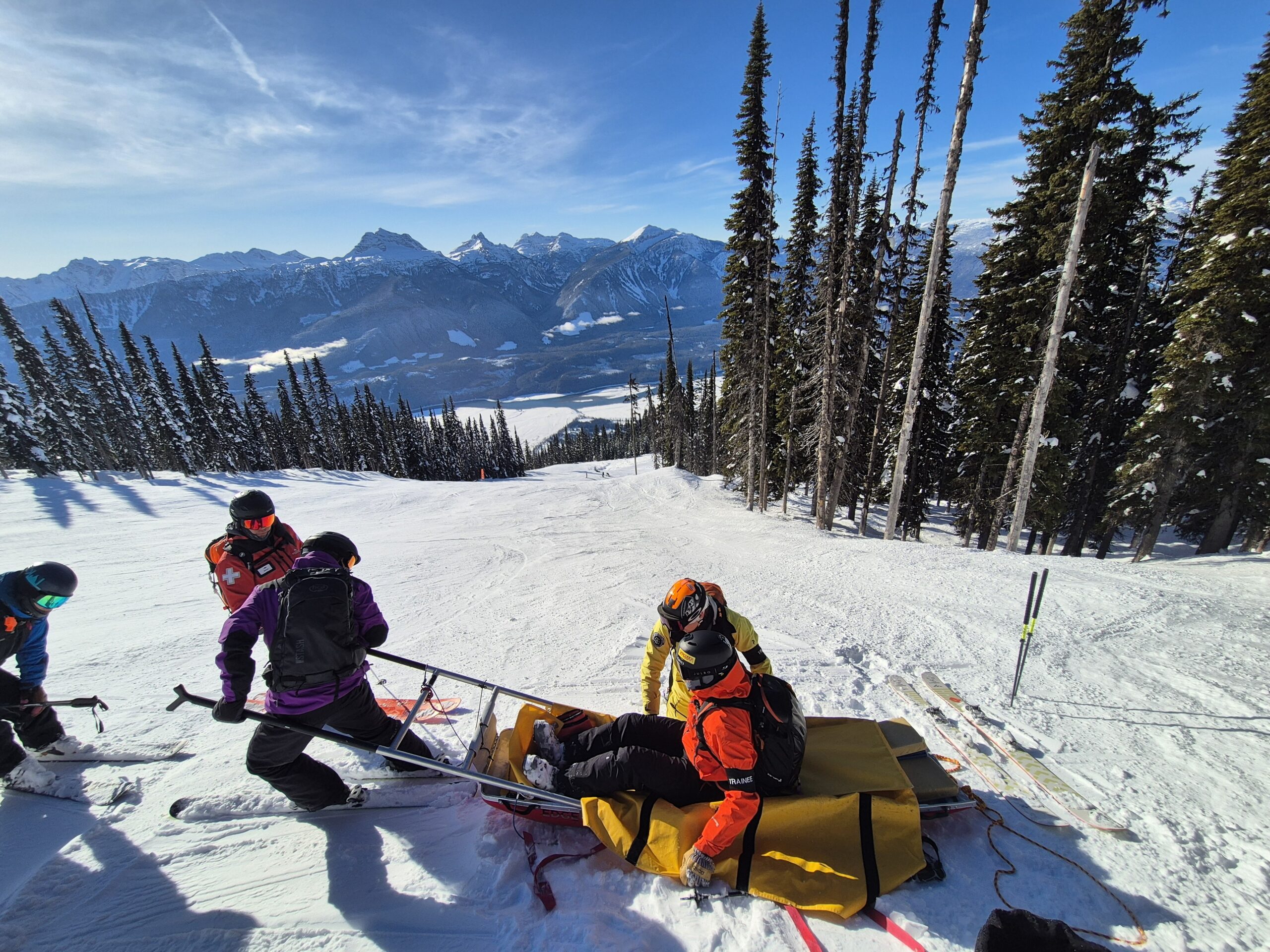
Everyone's Favourite Day.
Package the patient, load the sled, and run it down the hill under control. Then swap, and do it again until it's second nature.
When a real call comes in, you may go with a mentor. If you look like a deer in headlights, you'll be on the radio or doing crowd control. If you're steady, you'll be getting the toboggan and med kit ready.
George comments:
"My first real first aid call with a mentor was exciting, but also nerve-wracking. My job on scene was to secure traffic, so nobody came down the trail and crashed into us. Then I was on the tail rope of the toboggan, helping control the descent."
Findlay comments:
"My first real call was a head injury on a run check. The patroller led, but asked me to take a set of vitals, then we helped package the patient and toboggan them down. That mentor is now a good friend and my summer supervisor. Some days the team was stretched with avalanche control and we were sidelined. That's fair. Even then, a young patroller walked us through every first aid and rope kit, and it taught me how the whole operation fits together."
Expect about 30 hours of pre-reading before you arrive. Mentoring days start around 7.30am, training days at 10am.
George comments:
"The first aid course was very long. Each day took a long time to get through a lot of content, and the pace was quite fast. The exam wasn't actually that bad, as it was multiple choice. I did the reading a few chapters at a time and passed, but I could've gained more marks and understood things a lot more easily if I'd read in more detail."
Findlay comments:
"I'm not an academic learner, so I didn't do all the first aid reading. I did far more for the avalanche courses, because that side was new to me. If you've never used a transceiver, get hold of one and practise companion rescue before you arrive, even a mock one on your own. Learn the knots you're sent. And get your kit dialled: boots that fit, skis you know."

5
The Tickets, And What Comes Later
What you need now, and what can wait
There is no single worldwide patrol licence. Every team wants the same core things: a serious first aid ticket, avalanche training, rope skills and strong skiing or riding. Snowboarders make good patrollers too. Our ski patrol qualifications page goes into more detail.
If you already work in medicine. Nurses, paramedics and first responders still sit the NUEC A. Your background won't let you skip it, but it will make it much easier. Where it really counts is on the hill: you will already be calm around real patients, and patrol teams notice that.
Ops 1: worth it, not at all costs
Avalanche Operations Level 1 is a seven-day professional course costing at least CA$2,500, about £1,400, on top of an already expensive season. You can't enrol until you hold AVSAR Level 1. We are working to add AVSAR to this winter's course; if it goes ahead, Ops 1 could only come after that. Some avalanche-heavy resorts want it before they hire, and others, like Revelstoke and Fernie, expect it as you climb the ranks. If you can afford the time, the money and the effort, do it during your training season. If it would stretch you, don't force it. After a paid season you can take on more, with a resort in mind to aim it at.
Iain comments:
"The industry is trending towards wanting the highest certifications, in medical, skiing and guiding. If you're coming to do this and go up, expect to certify to the highest levels. It's a five, ten year push, and you pay for it."
Findlay comments:
"AVSAR and Ops 1 put me well above other applicants. I wouldn't have been hired at Kicking Horse without Ops 1, because that's their minimum. At places like Norquay or Sun Peaks it can put you straight onto the avalanche team. So it really depends where you want to go."
Findlay's course included Avalanche Operations Level 1. The 2026/27 Panorama course includes Avalanche Skills Training, and we are working to add AVSAR Level 1. Ops 1 needs AVSAR Level 1 before you can enrol. If AVSAR is confirmed on this winter's course, that gives you the ticket that opens the door. If you can afford Ops 1 on top, ask us about timing it after the course. If not, it can wait a year.

The mindset
Calm is a skill. You can learn it.
Nobody arrives steady on their first bad call. Patrol teaches it, one scene at a time.
6
The Visa Reality
Train on an eTA, work on a working holiday visa
For the course itself you only need an Electronic Travel Authorisation (eTA), not a working visa. To work as a patroller afterwards, you'll need a working holiday visa (IEC).
You won't train and work patrol in the same season, as you can on an instructor internship. Patrol is vocational: you train one winter and work the next. Plan your visa around that.
Findlay comments:
"I got my working holiday visa before the course, then came in on an eTA, which confused the border a bit. After the course I flew home and came back in to activate it, so I didn't waste three months of it. You can't flagpole at the US border any more, so it has to be a flight out. Getting everything dialled took four to six months and cost me about £400 all in, including a day trip to London for biometrics and £70 for the ACRO police certificate. Next time I'd activate it nearer the start of May."
Don't waste the clock
Once you activate your working holiday visa at the border, it counts down whether you're working or not. If you are only coming for the course this season, think hard before activating it.
To activate it later you have to leave Canada and fly back in.
Part three
Money, Work And Whether It Suits You
7
The Honest Bit About The Money
About £9,000 to £9,500 across the eight weeks
The course is £6,950. Once you add flights, food, insurance and spending money, most people spend about £9,000 to £9,500 across the eight weeks of the course.
That figure is the course period only. Stay on for the whole winter, buy more kit, or take a while to find work, and it can reach £10,000 to £12,000. George's winter came to just over £10,000 and Findlay's to nearly £12,000. Budget for the higher number if you plan to stay.
| Cost | What to expect |
|---|---|
| Flights | About £700 to £750 return. Fly with us and you get ATOL protection. |
| Insurance | About £300 if you are only doing the course. £700 to £900 if you'll be working in Canada. |
| Food and living | About £120 to £150 a week (around CA$200). |
| Kit | All-mountain skis. Normal bindings cope with light sled work. We provide the avalanche pack. |
| Own room | A supplement, as per your quote. |
You won't earn during the course. Once you are working, pay varies by resort, but starting patrol wages are usually CA$1 to 2 an hour higher than a new instructor's. As a guide, new instructors earn around CA$17 to 20 an hour at Level 1. More detail is in The Real Cost Of A Canadian Season.
Iain comments:
"I'm not sure patrol pays that much more than instructing. You might get a dollar more. What you do get is a guaranteed 40 hours, and that makes a huge difference. In the quiet times, some rookie instructors struggle to make more than 10 to 20 hours a week."
George comments:
"From what other patrollers told me, the pay is about right, though they did feel underpaid for the job they were doing. The best perks were the free lift pass and the staff discounts in the gear shop and on food and drink. I didn't need a second job, but that's because I saved a lot. Ski patrol would pay for itself comfortably after three years."
Findlay comments:Real pay, one patroller
- First season. His four first-season offers, all from BC and Alberta resorts, ranged from about CA$21 to CA$22.50 an hour. He took the one with the most avalanche experience, not the best pay.
- Second season. A little over CA$24 an hour, moving up a level.
- What lands. 40 hours a week, with very little overtime. Before tax, that's roughly CA$1,700 to CA$1,900 every two weeks. Then tax and rent come off.
- Summer. Bike patrol pays about the same as winter, sometimes a little more.
- Perks. Lift pass, free or cheap passes at other resorts, pro deals on kit, cheap coffee on the hill, and WorkSafeBC if you're hurt at work.
- The catch. Even working full-time for the same employer, he has found BC health coverage hard to get on a visa. Don't let your own insurance lapse.
Rounded from Findlay's own experience, 2025/26 and 2026/27. Wages vary by resort, level and year, and are never guaranteed.
Findlay comments:
"It's a notoriously underpaid job. Financially, it probably won't pay for itself until you've made a career of it, maybe ten years. But I've grown as a person, my skill set has grown hugely, and so have my confidence and my friends. I do it because I want to ski every day, work with fantastic people and help people."
Once you are working, a 40-hour week should cover your living costs, as long as your accommodation isn't expensive.
Budget around CA$300 to CA$350 to stock up in week one, then CA$120 to CA$150 a week on food. That comes from Iain, who admits he isn't typical: he bulk cooks, doesn't eat out and doesn't buy coffees. With recent food inflation, and if you're stuck shopping locally rather than at the big discount stores like Walmart or Costco, a young rookie will spend at least CA$100 a week, usually more. Our CA$200 a week above allows for eating out.
George comments:
"I'd say 9,000 to 9,500 across the course is the right number. I spent a lot more on food than I'd planned, because the days are long and I needed a lot more fuel than I thought. The whole winter cost me over £10,000, and I spent a bit more on ski gear than I should have. No regrets."
Findlay comments:
"The whole winter came to not much change from £12,000. The course, then £500 to £1,000 on gear, because kit wears out faster than you expect. Food at £75 to £150 a week, more if you're out for beers. Then the little things you don't see coming, like a CA$150 snow study kit for Ops 1. Money comes back, sort of. It's really worth it."
Findlay's course ran at Revelstoke, at a different price, and included Ops 1. The 2026/27 Panorama course is £6,950.
How it worksPerks and the catch
- Standard. A lift pass, staff food discounts and pro deals on kit. Make sure you get yourself on the pro deal list.
- Housing. Staff housing is scarce. Most patrollers find their own.
- Injury cover. WorkSafeBC covers you at work, but only during your working hours and only with the right equipment. Otherwise it is your own insurance.
- The surprise cost. Kit. Arrive without the right equipment, or break it, and good replacements are expensive. Buy skis, boots, poles, helmet, goggles and layers before you go, ideally in the sales. George bought skis, boots, a jacket, salopettes, helmet and goggles. He could have skipped his own harness, shovel, probe and beacon, but prefers having his own. His advice: read up on exactly what you need, buy the best you can, and don't buy cheap or for the brand.
- The flight home. George found no hidden costs, except how much clothing and kit he ended up buying. His luggage was overweight on the way home, so leave room in your baggage allowance.
As described by Iain Satterthwaite. Every patrol runs slightly differently, so check with your resort.
If the numbers don't work
If £9,000 would be a genuine stretch, wait a year and save. Patrol pays off over several seasons, not one. George worked hard at home between the course and his first season, and says the savings helped a lot. We'd rather tell you that now than take a booking you'll regret.
8
Jobs After The Course
Likely with effort, never guaranteed
No job is guaranteed, and anyone who promises you one is guessing.
Treat the eight weeks as a very long job interview. Turn up first, leave last, arrive sober and smiling, and there's no reason you shouldn't get an interview for the next winter. Whether a resort hires depends on how many patrollers they need that year.
We have placed graduates around the world. Panorama hire from the course, and if they don't offer you an interview, we'll try other resorts such as Sun Peaks.
Charlotte and Jessica Loveday trained with us and went on to work for Panorama's patrol. Lachie Forbes, Nicole Coquelet, Findlay Morrant and George Tubbs all trained with us. Lachie now patrols at Revelstoke, and others have gone on to Kicking Horse and Chile.
"By the end of it, they really did kind of welcome us into their own patrol team and had us volunteering and working for them. They had the trust in us."
George Tubbs, WSC patrol course graduate
Why not Revelstoke?
We've paused our Revelstoke patrol course. Their team hires patrollers with around three years' experience, and only three of our graduates ever got work there. Build two or three seasons somewhere else, then volunteer at Revelstoke.
What patrol teams look for in a rookie
- First to arrive, last to leave
- Sober, rested and on time, every day
- Strong skiing in bad visibility, not just on groomers
- A calm voice on the radio
- Happy doing the dull jobs well, the ones nobody else wants
- Knows their level, and doesn't try to be something they're not
- People skills. It doesn't matter how amazing a skier you are, and no course can teach them
- Asks questions and takes feedback without sulking
- Puts their hand up when they don't know something, and accepts help without embarrassment. Nobody knows everything, which is why patrol works as a team of specialists
- Knows the first aid protocols cold
- Looks after kit as if it were their own
Above all, patrollers can tell when someone loves the job. It shows in where you want to take it: first aid, as a route into paramedic, nursing or medicine; or the mountains, towards ski guiding or avalanche forecasting, where a background or strong interest in engineering or teaching helps. So much of it comes down to data, statistics and mentoring.
Iain comments:
"It's a small industry and it's all about your CV. Competitive sport, outdoor education, something in nursing, kinesiology or physio: that makes you attractive to a patrol director. If you turn up thinking it's a holiday, you're pretty quickly not going to be on the list to be interviewed."
George comments:
"I was hired based on my drive for work and my passion for first aid. I wasn't interviewed, but I'd had a lot of really good feedback from the previous season, so they wanted me on the team. The others on my course didn't get offers because they weren't as interested, or didn't show the right amount of passion or skill."
Findlay comments:
"I applied to 14 resorts for my first winter. Six replied, five interviewed me and four offered me a job. Some never answered at all. Resorts hire early, from August, so get your applications in. I interviewed through September with the heads of patrol, all genuine and encouraging, and had my job confirmed by October. The people from my course who got patrol jobs were the ones who really wanted to be patrollers."
Findlay comments:
"The term I used a lot this winter was uninformed enthusiasm. I'll help with any job, however grim. If it's digging out a buried rope line one three-foot hole at a time, so be it. But you need some humour and a thick skin too. Patrol show they like you by taking the mickey, and Canadians do it differently to the British. Be upfront about your experience. Too arrogant loses you the job, and so does selling yourself short."
Backgrounds that give you a head start
Patrol directors notice people who have already worked under pressure. If one of these is on your CV, lead with it.
A nursing degree
You already assess patients for a living, and it shows on scene.
Lifeguard
Rescue and first aid under pressure. George arrived with a lifeguard background, a Level 1 instructor course and about 12 weeks of skiing. The team knew he'd dealt with medical emergencies before, just not as often as they had.
Paramedic
Trauma care, scene management and a steady voice on the radio.
Emergency medical technician
The same instincts. The first aid course will feel familiar.
Wildfire firefighter
Long physical days, crew discipline and incident command.
TRU Adventure Studies
Thompson Rivers University covers avalanche skills, rope rescue and wilderness first aid.
Outward Bound
Leading groups through wild places, and changing the plan when conditions change.
Whitewater guide
Reading hazards, swiftwater rescue and rope systems.
Military
Discipline, radio procedure and a chain of command. Patrol runs on all three.
An engineering degree
Rope systems, loads and snow science make sense to you. Avalanche work rewards a technical mind.
None of these lets you skip the course or the NUEC A. They make you easier to hire.
The mistakes that cost trainees a job
George watched trainees on his course talk themselves out of work. They talked too much about things that had nothing to do with patrol, and let their egos take over, thinking they were much better than they were. The patrollers have years of experience on you, and you will never show them up.
Plenty believed their skiing would get them onto patrol. It was how they conducted themselves in real situations that counted, and it made them unappealing. If you're known for a big ego, patrol will quickly lose interest in you.
What worked for him was doing the jobs nobody else wanted. It showed he was serious about joining the team. In his words: "I wouldn't have got the job if I only wanted to do the fun stuff." Take every opportunity, and ask as many questions as you can.
Findlay saw the same from the other side: trainees joking around too much, drifting attention, looking like they weren't serious. You don't need the flashiest kit, but look clean, look like you can ski, and pay attention. Now he works with trainees himself, inattention is what grates most.
How it worksHow hiring works
- Ski-offs. Some resorts run one. Expect to need CSIA Level 2 standard at minimum; the better resorts want Level 3.
- Every resort is different. Each has its own culture. The steeper resorts want people already on the guiding route, with several years’ experience. Pick the resort that fits your skills.
- Tickets early. He did his certifications back to back in his first season, went home for the summer, and came back to his first patrol job through a referral.
- The team. Patrol is hierarchical, command and control, but done nicely. Rookies who arrive eager and knowledgeable are treated well. Those with a nursing or paramedic background tend to settle in fastest.
- The social side. There is socialising, and some drinking, but you are up at 6.30 and need to be alert. Skills get you hired, not the bar.
- Teaching. Patrol is a lot of mentoring and teaching. If you don't want to teach, think hard.
- The pecking order. George describes it top down: head of patrol and mountain operations, patrol supervisors, shift leaders, general patrollers, then rookies. The social culture is real. Lots of patrollers like a drink, but nobody goes crazy, because work the next day comes first, and there are social events all season. In his experience it doesn't affect who gets hired.
- Who's on the team. George saw no divide between locals and internationals: patrollers come from all over the world. And women on patrol are highly respected. They are some of the most skilled members of the team, and often take control on serious calls.
As described by Iain Satterthwaite. Every patrol runs slightly differently, so check with your resort.
George comments:
"There aren't stripes as such, but you are always being watched. The best way to earn your stripes is to always communicate if you need help, and have confidence in your ability to manage situations. Rookies are treated well as long as they show they want to work hard and are there for the right reasons."
Findlay comments:
"Every team has its own culture. Some have rookie traditions, like a start-of-season party or an end-of-season rookie race. Others have none. What they share is that they look after you. If you're hurt, they find you work in dispatch or on a sled, and people check up on you. There's a trust-building phase at the start, and by halfway through the season you're expected to be fairly self-sufficient."
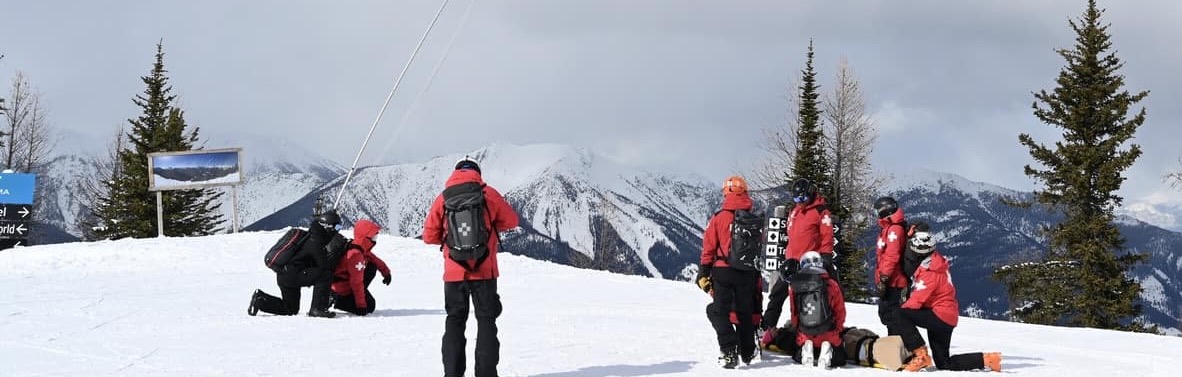
Your reputation
Your CV starts on day one.
Every sweep, rope line and call is a reference in the making. It's a small industry.
The career ladder
1. Rookie
Your first paid season. Sweeps, signage, first response, and learning your resort.
2. Experienced
Two or three seasons in. You lead on scenes and mentor new starters. This is when Revelstoke-level resorts start to look at you.
3. Avalanche tech
Avalanche Operations Level 1 and up, plus a blasting ticket. You join snow safety and avalanche control.
4. Specialist
Ski guiding, heli and cat skiing, highway and railway avalanche work, or search and rescue. Most take several years to get to.
George comments:
"Each season I gained more respect and experience. The path to snow safety is a very long path, and it's never ending, because there's always something new to learn and new skills to progress on. I haven't done further tickets yet, but I'd very much like to."
Findlay comments:
"I did AVSAR 1 and Ops 1 on the course and I've booked my blasting exam for this winter. Maybe AST 2 later, if I can afford it. I've paid for every course myself. The resort may subsidise blasting and the intro to weather course, but you still pay up front. Most people I know on the search and rescue team had been on patrol about seven years first."
Iain Satterthwaite of Sun Peaks Ski Patrol, one of our expert contributors, has written about where patrol can take you:
- Mountain and ski guiding, where many guides start in patrol
- Bike patrol, which gives you year-round mountain work
- Railway and highway avalanche clearance
- Remote dogsled and Arctic logistics teams
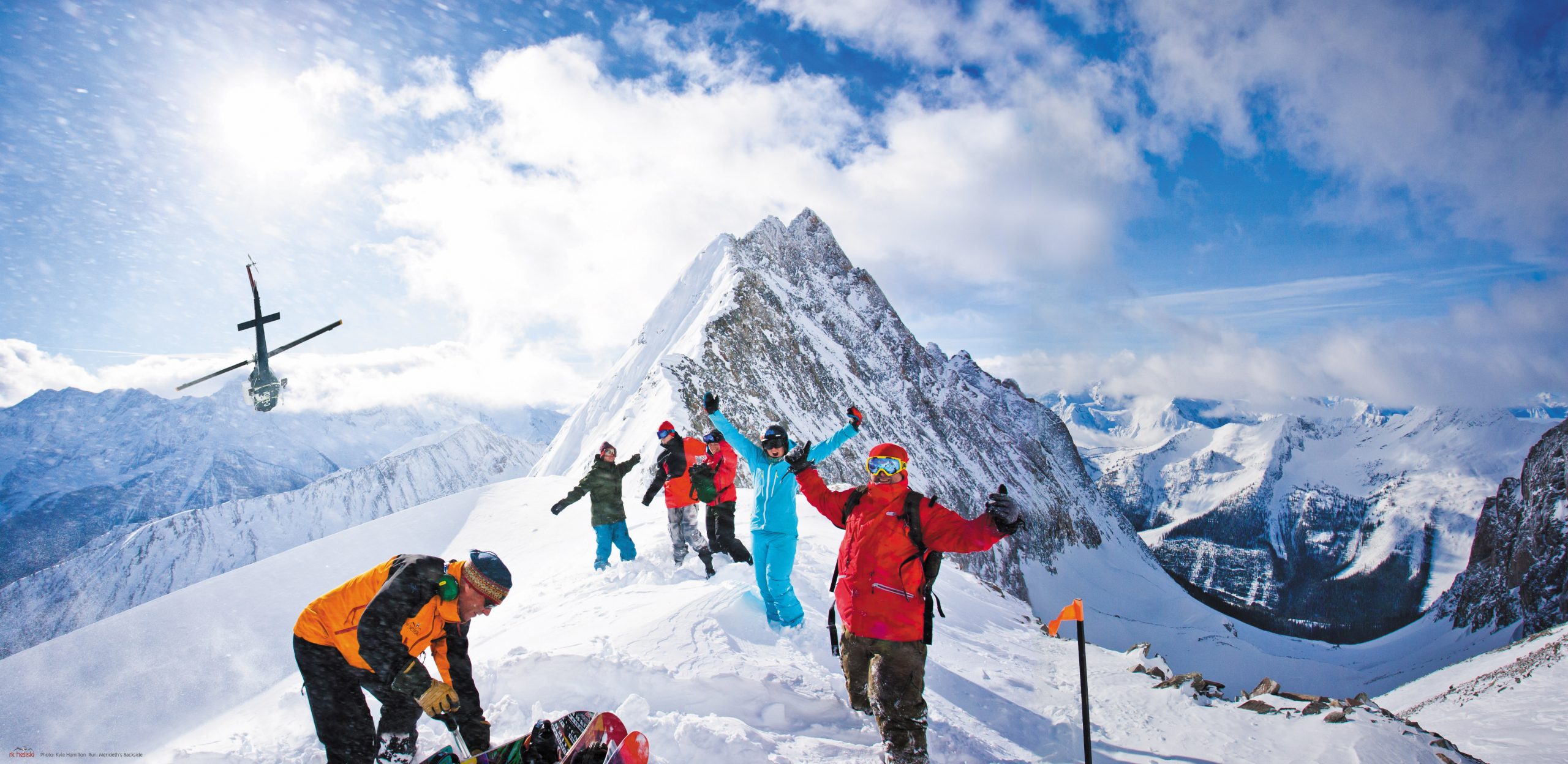
Where patrol can lead
Patrol first. Then the peaks.
Ski guide, mountain guide, avalanche forecaster. It can be done, but it takes a plan.
The guiding route
Another avenue from patrol is becoming a Canadian ski guide or mountain guide. It is a lengthy pathway. A Canadian ski guide qualification takes at least three years; a full ACMG mountain guide, closer to ten.
We won't dress it up. Making a career of it is notoriously difficult. It takes careful planning, real money and a bit of luck in who you know, not just what you know. You also need to stay in Canada long enough to do it, which means a study permit (Canada's student visa) and quite possibly permanent residency.
If you're serious
Look at Thompson Rivers University, Kamloops
If you want to be a ski guide or an avalanche forecaster, the industry looks to graduates of TRU's Adventure Studies programmes. TRU is strong at putting candidates on the right pathway, with the right connections. Its ski touring courses prepare you for Association of Canadian Mountain Guides training, and degree students can do a co-op with Mike Wiegele Heli Skiing.
- Go the full way. The Adventure Guide Certificate and Diploma are well respected, and their credits transfer into the degree: the Bachelor of Tourism Management, Major in Adventure Studies.
- Why the degree matters. Degree graduates can qualify for a post-graduation work permit, the usual route to the Canadian work experience you need for permanent residency. TRU lists its Adventure Guide Diploma and Certificate as not eligible. You will still need to pass an approved English test.
- A strong start. Places are competitive and based on skill and experience. A season or two on ski patrol is an excellent foundation for a career in the industry, and the skills you build in the field count.
See TRU's Adventure Studies degree
Immigration rules change. Check the current post-graduation work permit rules with IRCC before you commit to a programme.
How it worksWhere patrollers go next
- Most who leave. They move into nursing, paramedic work or firefighting, for the pay, the career and a home. International patrollers usually leave when their visa runs out.
- Summers. Patrol is not year-round work unless you reach management or do bike patrol. He works as a landscape gardener in summer.
- The long game. Ski guide, avalanche forecaster or snow safety manager is typically 10 to 15 years, and needs Canadian citizenship or residency to go all the way.
- Seasons that fit. For Canadians and residents, wildfire work in summer pairs well with patrol in winter.
As described by Iain Satterthwaite. Every patrol runs slightly differently, so check with your resort.
Iain comments:
"If you're only there for two or three years on a visa, patrol might just about wash its face. You're there for the experience. Be under no illusion: it's not well paid, but it's extremely rewarding."
George comments:
"Patrollers leave when they get better opportunities or want a change of scenery, but many stick around for years. I work in England in the summer, but patrol can lead to year-round work, on summer mountain ops, mountain biking or maintenance. A long-term life on patrol is financially possible, but not easy to start with. Once you find your bearings, there's a way to make it a worthwhile career."
Findlay comments:
"Most people leave over pay. They feel they've capped out, and the only way up is a supervisor job that keeps you off the hill. Some go to avalanche work at mines up north, fly in, fly out, for far better money. Some go guiding. Empathy fatigue is real too: years of calls can wear anyone down. And getting permanent residency through patrol is really hard, because a regular patrol job isn't counted as skilled enough. Summer can be bike patrol, rope access, wildfire or trades. Long term is possible. It just isn't easy."
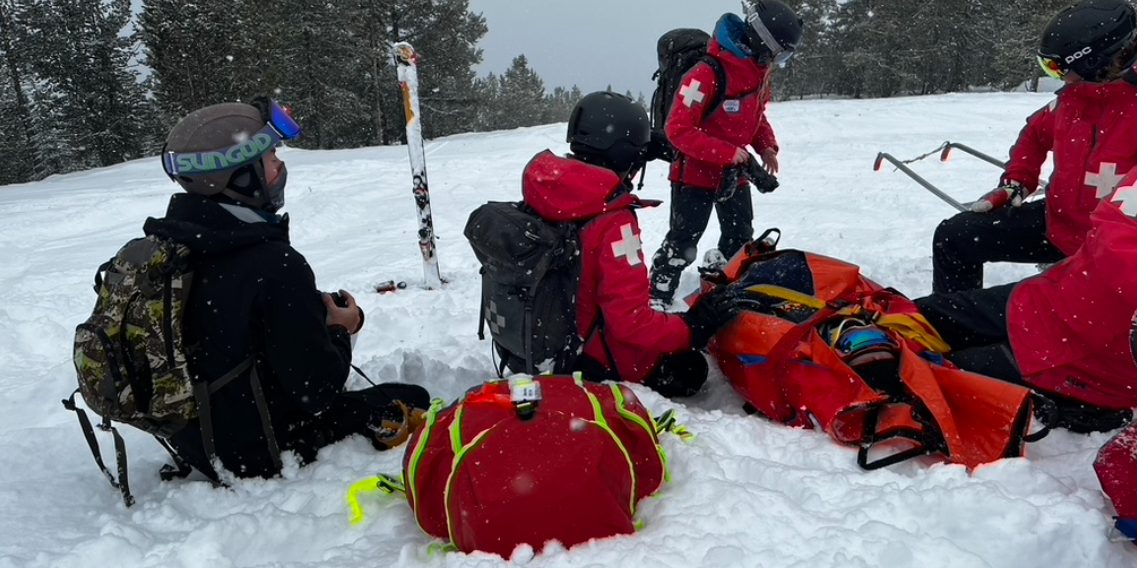
Readiness
Could you handle it?
Nine real calls, a quick honesty check and a comparison with instructing.
9
Could You Handle This?
Think about what you would do first, then open the answer
A skier is down under the chairlift, crying, and won't let anyone touch her leg. Her friends are panicking and a crowd is gathering.
Scene first. Make it safe, put a skier above to warn traffic, move the crowd on and radio it in. Then calm, clear talking to the patient before you touch anything. The first aid is the easy part; controlling the scene is what you train for.
It's day three of bitter cold and you haven't had a single call. You're rebuilding a rope line for the fourth time.
You rebuild it properly. Patrol teams judge rookies on the boring days more than the exciting ones. Turning up early, working hard and staying cheerful when nothing happens is what gets you hired. George's rules: the cold is real and it will get you, so on a really freezing day cover up and limit your exposure. And when the season is winding down, runs are closing and the weather turns, look for the fun in each day.
A lift stops with forty people on it and it isn't restarting. It's getting dark and the wind is up.
Lift evacuation. Ropes, harnesses and a practised system to lower people one chair at a time. You'll drill this on the course until the knots are automatic.
A snowboarder has hit a tree on a steep run. He's conscious, but he says his neck hurts and he wants to get up and ride down.
He stays where he is. You keep his head still, stop him moving, and call for more hands and the right kit. Being sure beats being fast. You'll learn exactly how to assess and package a possible spinal injury on the NUEC A.
It's snowing hard, visibility is almost nothing, and a mother tells you her ten-year-old hasn't come down from the last chair.
Get the details at once: name, age, jacket colour, where they were last seen. Radio it in and let the team run the search. Most lost kids turn up quickly, often at the wrong lift base. Calm, clear information in the first two minutes is what finds them.
A guest has ducked a rope into closed terrain. His friends are waiting for him at the bottom and he's late.
Nobody goes in alone, and you don't go in at all without your lead's say-so. Closed terrain is closed for a reason. Report it, give what you know, and let the team decide who goes and how. Heroics make one missing person into two.
You're first on scene and you realise you don't know what you're looking at.
Say so. Put your hand up on the radio, ask for someone more experienced, and do the basics well while you wait: scene safe, patient warm, reassurance. Patrol is a team of specialists precisely because nobody knows everything. Rookies who admit it get trusted, not judged.
A guest is abusive after you close a run they wanted to ski. A crowd starts watching.
Stay calm, keep it short and don't argue. Explain once why it's closed, then walk away and let your lead or security deal with it if it carries on. You're there to keep people safe, not to win the conversation.
At the end of a long day, sweeping the last run, you spot a ski sticking out of the snow on its own.
Stop and check. A lone ski can mean a skier in a tree well or buried nearby. Look, call out, radio it in, and don't carry on until you're sure. The sweep exists so nobody spends the night on the mountain.
Iain comments:
"You're going to see some stuff that can be upsetting. There's counselling there as support, but ultimately you need to be made of stern stuff. And if a scene is more than you expected, get on the radio and ask for help quickly. It'll be there."
George comments:
"My first big first aid call was somebody who'd fallen off a very high cliff, with multiple life-threatening injuries. They had to be helicoptered away. It didn't affect me that much personally, but I did have empathy for them. There are lots of debriefs, and counselling on offer if a call affects somebody."
10
Are You Ready?
Far better to find the gap now than in week two
Be honest
Quick Readiness Check
Tick what's honestly true today.
Need to build up? Start with our Snow Ready Fitness Program.
Pack this
Kit List
- All-mountain skis with sound bindings
- Boots fitted properly, ideally in Canada
- Helmet and goggles, plus spare lenses
- Warm layers: base, mid, down, shell
- Good gloves and a spare pair, plus spare liners
- Merino ski socks that dry fast
- Beacon, probe and shovel (we provide the avalanche pack)
- Head torch
- A notebook and pen that work in the cold
- A balaclava. It can hit minus 30
- A first aid or ropes book for quiet days in the hut
George comments:
"You need to be a very competent skier, in flat light, wind and snow, and don't be afraid to get your skis scratched. The best prep I did was skiing technically: moguls and slow, difficult runs rather than just carving, because anyone can carve a ski. I was very fit from competing in sport, but the biggest gap was stamina, especially hiking and bootpacking. It takes the energy out of you very quickly. This is a serious course."
Findlay comments:
"I came with five or six summers of bike patrol, so the first aid made sense, but only about 14 weeks on skis. I did my Level 1 and 2 with you the season before, and I'm very glad I did. My bar is any black run in flat light or poor snow. You don't need to be flashy, just solid and steady. The fitness gap shows once the excitement of Canada wears off and you realise how tired you are."
Who this course isn't for
Findlay's honest view: if you aren't planning to work in the industry afterwards and just want a fun winter, this isn't your course. People who come for a career break or a year out tend to get the least from it.
It isn't a holiday. There are holiday moments, but you have to want to do the avalanche and first aid work. If you want a big winter of skiing and mountain skills without the career, look at our off piste ski course in Revelstoke (All Mountain Performance and Freeride) course instead.
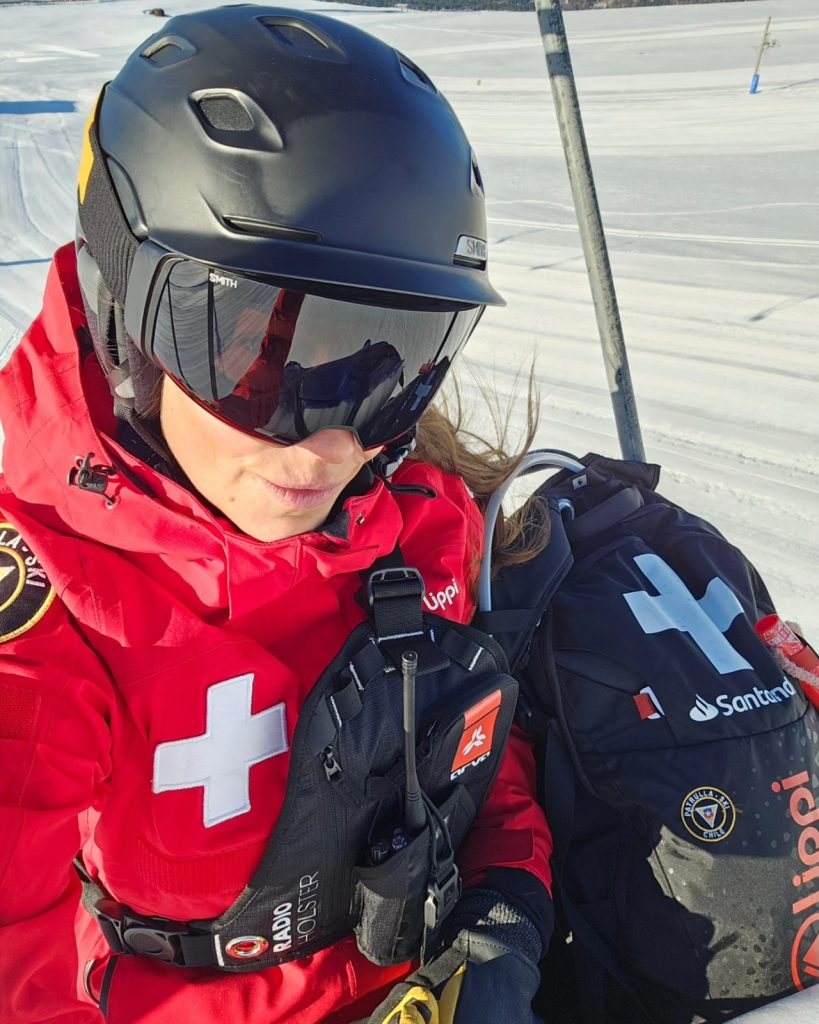
11
Patrol Or Instructor?
Ten honest questions, and a straight comparison
Ten questions, two minutes
Patrol Or Instructor Quiz
There are no right answers, only honest ones. At the end you'll see where you lean, and what your answers say about your goals, worries and strengths.
| Ski patrol | Instructor internship | |
|---|---|---|
| Earn this season? | No. Train now, work next winter. | Yes, once you pass Level 1. |
| Job afterwards | Likely with effort, never guaranteed. | A ski school job once you pass Level 1, the interview and your visa. |
| Starting pay | Usually CA$1 to 2 an hour more. | Around CA$17 to 20 at Level 1. |
| Hours | Full-time contracts are usually 40 hours: four 10-hour days. | Varies with bookings. Quiet weeks can fall well under 20. |
| Visa for training | eTA only. | Working holiday visa (IEC). |
| Where it leads | Avalanche work, guiding, search and rescue, bike patrol. | Level 3 and 4, snow school management, working abroad. |
George comments:
"I'd definitely recommend instructing first, so you understand mountain operations and how working at a resort works. But if you're changing careers, I'd go straight into patrol, because you already have more experience of how the working world works."
Findlay comments:
"Age is just a number on patrol. I've known a 22-year-old who was one of the most respected people on the team, and a 35-year-old who was one of the least liked. I'd tell 22-year-old me to instruct first. A 35-year-old who's lived an outdoor life should go straight into patrol."
Honest answers
The Questions People Actually Ask
Will I definitely get a patrol job afterwards?
No. We can't promise that and neither can anyone else. Graduates who work hard on the course usually get interviews, but hiring depends on each resort's needs that year.
Can I work while I do the course?
Not as a patroller. Occasionally we can combine an early Level 1 and some instructing work with the course, but it costs more and it depends on the season. Ask us on a call.
I'm a nurse or paramedic. Can I skip the first aid?
No, you still sit the NUEC A. Your background will make it much easier, and it counts for a lot on the hill.
How good a skier do I need to be?
You need to be a strong, confident skier or rider on all terrain, including while carrying kit and handling a toboggan. If you'd struggle on black runs in poor visibility, spend another season improving first. For Panorama, you need to be comfortable on black runs. George's advice: practise moguls and slow, technical runs, because anyone can carve a ski. Iain's benchmark: CSIA Level 2 standard at minimum, ideally Level 3. Some resorts run a ski-off before they hire.
Can I do it on a snowboard?
Yes. Snowboarders make good patrollers. Findlay worked with plenty: it's more effort at resorts with lots of flats, with more strapping in and out and more boot-packing, but snowboarders handle toboggans well, and other riders often listen to them more readily. Some of the hardest workers on his team rode.
Is £9,000 really the full cost?
For most people it's roughly £9,000 to £9,500 once flights, food, insurance and spending money are added. That covers the eight weeks of the course. A whole winter, with more kit and a slower start to work, can reach £10,000 to £12,000. Big bar bills or new kit will push it higher.
What if I fail the first aid exam?
You can finish the rest of the course, but you'll be more limited in what you can do on mentoring days. You can resit another time, as per your quote. But be honest about what it means: patrol is so first-aid heavy that without the ticket, there's little point being on patrol. George saw exactly that happen to one person on his course. The pass rate is high, and the pre-reading is what gets people through.
How many hours will I actually get on patrol?
A full-time patrol contract is usually 40 hours a week, worked as four 10-hour days. That steady 40 is the real difference from a rookie instructor, whose hours rise and fall with bookings. Not every patrol job is full-time, so check the contract before you accept.
Am I covered if I get hurt on patrol?
In British Columbia, WorkSafeBC covers injuries at work, but only during your working hours and only if you are using the right equipment. Hurt yourself off shift, or using the wrong kit, and it falls to your own insurance. The Insurance Guide covers what your policy needs.
Will I see things that upset me?
Sometimes, yes. Support and counselling are there if you need them, but patrollers are honest about it: you need to be able to deal with what you see, get the job done and not dwell on it. If that is not you, this is probably not the job.
Can I make a long-term career out of patrol?
It is possible, but it is a long and expensive road. Reaching ski guide, avalanche forecaster or snow safety manager is typically a 10 to 15 year game, and going all the way needs Canadian citizenship or residency. Many patrollers eventually move into nursing, paramedic work or firefighting for the pay and a settled life. It is not well paid. It is very rewarding.
Can patrol lead to a guiding career in Canada?
It can, but it needs planning. A Canadian ski guide qualification takes at least three years and a full mountain guide closer to ten, so you'll need to stay in Canada for years, usually on a study permit and possibly with permanent residency. If that's the goal, look at Thompson Rivers University's Adventure Studies degree rather than the diploma. TRU lists the degree as eligible for a post-graduation work permit and the diploma as not.
How cold does it really get?
Minus 20 to minus 30 on the worst days. Findlay says it's a dry cold, so minus 20 can feel like a damp 2°C at home, and it bites hardest when you're standing still. Fast-drying merino socks, a spare pair of glove liners, a buff and hand warmers do most of the work. Frostnip on noses and toes does happen, so take it seriously.
What if I'm asked to do something that feels unsafe?
Say so. In British Columbia, workers have the right to refuse work they believe is unsafe. Findlay's advice for storm days: if the light has gone and a slope looks loaded, speak up. Saying "this doesn't look safe to us" is part of the job, not a failure at it.
Can patrol get me permanent residency in Canada?
Not easily. In Findlay's experience, a regular patrol job isn't treated as skilled enough, or as a first-responder role, to help much with permanent residency. Most international patrollers he knows who stayed long term did so another way, often a relationship or a different career. Immigration rules change, so check with IRCC before you plan around it.
Do I need a car?
Not for the course. The shuttle covers it. Once you're working, it depends on the town: Findlay found relying on an hourly shuttle in Golden hard work, while Revelstoke and Invermere are better served. Plenty of patrollers share a car between three or four for the early starts.
About the author
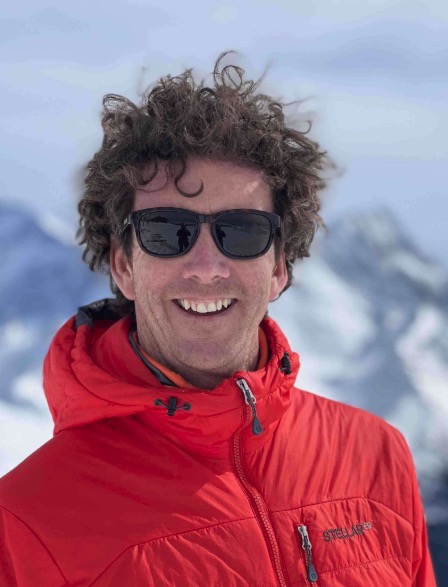
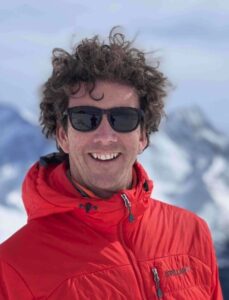
Rik Dyson, Director, Winter Sports Company
Rik has spent his working life between the mountains and the ocean. Superyacht captain, water sports professional, and now Director of Winter Sports Company, sending people off to a winter in the snow every year. He is also the one who picks up the phone when they get there. All of this material comes from 16 years of phone calls, meetings, lift chats, morning coffees, and the odd tall tale in the evening.
Expert contributor
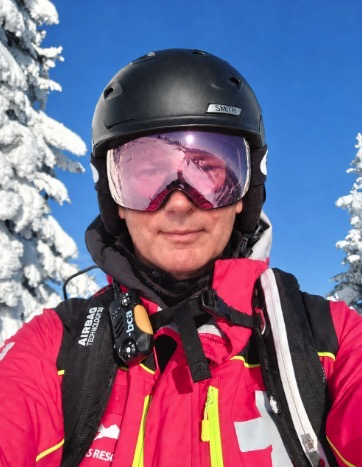
Iain Satterthwaite, Sun Peaks Ski Patrol
Iain patrols at Sun Peaks and writes about mountain careers for Winter Sports Company. He is a Canadian Avalanche Association Practitioner Member, currently in a practicum Avalanche Forecaster role at Sun Peaks Resort while he completes his CAA Operations Level 2 certification and CSIA Level 3 Ski. He also holds a WorkSafeBC blasting ticket and is a Raven Rescue / Rescue 3 International Technical Rope Rescue Operator. It shows how the progression from patrol into avalanche work can happen: one ticket, one season at a time.
Read Iain on mountain and ski guiding, bike patrol, avalanche clearance and dogsled teams.
Graduate contributor
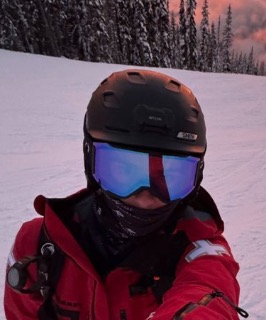
George Tubbs, WSC patrol course graduate
George came to patrol with a Level 1 ski instructor course, about 12 weeks of skiing and a background as a lifeguard, which gave him a head start on the medical side. He trained on our patrol course, went home to work and save, and came back to his first patrol job on the strength of his drive and his passion for first aid. He is now two seasons in and spends his summers working in England. Next on his list: more tickets, and the long road towards snow safety.
Read more from our graduates in working for ski patrol.
Graduate contributor
Findlay Morrant, Revelstoke Mountain Resort Ski Patrol
Findlay is from Scotland and was a summer bike patroller for five or six seasons before he came to Canada. He did his CSIA Level 1 and 2 with us, then our patrol course at Revelstoke, where he passed his NUEC A, AVSAR Level 1 and Avalanche Operations Level 1. He applied to 14 resorts, got four offers, and chose Kicking Horse for the avalanche experience: 36 control missions in his first winter. Summers are bike patrol at Revelstoke. This winter he is a Level 2 patroller at Revelstoke Mountain Resort and is sitting his blasting certification. He is honest about the pay, and about why he does it anyway.
Read his answers throughout this guide, marked Findlay.
Thinking about patrol?
Talk It Through First
Book a call and we'll tell you honestly whether patrol, instructing or waiting a year is right for you. Already booked? Read Before The First Shift, our patrol onboarding guide.
Sources
- WSC consultations, course notes and operations schedule, 2026/27
- George Tubbs, WSC patrol course graduate, interview and written answers, September 2026
- Findlay Morrant, WSC patrol course graduate, recorded answers, October 2026
- Iain Satterthwaite, Sun Peaks Ski Patrol, WSC articles
- Iain Satterthwaite, Sun Peaks Ski Patrol, written interview, September 2026
- Avalanche Canada
- Canadian Avalanche Association
- Government of Canada, International Experience Canada, 2026
- Thompson Rivers University, Adventure Studies programme pages, and TRU Programs CIP Codes and PGWP Eligibility (updated 8 July 2025)
- CIC News, PGWP field of study and language requirements, 2025




Prices are per person for the 2026/27 season. Flights, insurance, living costs, visa fees and exchange rates change, and your quote is the final word. Wages vary by resort and are never guaranteed. This guide is general information, not immigration or insurance advice.




 Emma
 Rik
 Rik
 Emma
 Rob
 Cass
 Mike
 Abbie