

The course fee is not the total
Flights, insurance, visa and kit come on top.
Wages cover living, mostly
Rent and food, at most resorts. Not the trip.
Budget for January
The quiet weeks are when budgets break.
By Rik Dyson, Director, Winter Sports Company · Last updated
Every season has a price on the brochure and a price you actually pay. This guide is the second one: the course fee, flights, insurance, the visa, kit, rent and food, and what you might earn back once you are working.
We have used our own 2026/27 prices and the living costs and hours we see every season, because vague ranges help nobody. If you are comparing us with anyone else, use the same list and ask them the same questions.
And if you only have two minutes, use the calculator in section one.
What is the real cost of a ski season in Canada for someone like you? Paying for it yourself, start with the calculator. A parent helping out, read the insurance rule and how the payments are spread. Coming back to skiing later in life, or changing career, the three routes section is where most people in your shoes land.
Inside
1 The short answer, and a calculator
2 What the course fee covers
3 The upfront costs
4 Living costs in resort
5 What you might earn back
6 A worked example
7 Level 1 with a job, Standard or Hybrid
8 The costs nobody budgets for
9 The honeymoon phase
10 How to make it go further
11 What not to do
12 Paying for it
The questions people actually ask

Part one
What A Ski Season In Canada Costs Before You Fly
1
The Short Answer
Two bills, paid in two currencies, at two different times
Every season has two price tags. The first you pay in pounds before you leave: the course, flights, insurance, the visa and any kit. The second you pay in Canadian dollars once you are there: rent, food and everything else that makes a winter fun.
Here is the part most people miss. On a working internship, your wages are there to chip away at the second bill, not the first. The money you pay before you fly is the real cost of the season. Think of it like buying a car: the price on the windscreen is one thing, and the insurance, tax and fuel are the rest.
Add it up
Your Season Cost Calculator
Paid before you fly
£8,950
Course, flights, insurance, visa, kit
Spent in Canada, whole season
CA$6,000
Rent, food and going out, once you are working
Wages, whole season
CA$4,800
Once you are working, before tax
Across the whole season, about 14 weeks of work after Level 1, you would need about CAdata-o="verdict" style="font-size: 17px; line-height: 1.6; color: var(--wsc-grey); background: var(--wsc-bg); padding: 14px 16px; margin: 18px 0 0;">,250 from savings to cover living costs, before tax. That is roughly CA$380 a month. Trim the food or going-out figure and watch it change.
Built from our 2026/27 course prices and the living costs and hours we see each season. Visa fees of about CA$370 are included at roughly £250 with the trip to your biometrics appointment. Wages use about CA$18 an hour, at each resort’s average weekly hours, before tax. Hours are set by the resort and are never guaranteed. Your quote is the final word. For a quick figure on any other course, try our course price calculator.
2
What The Course Fee Actually Covers
The headline, not the total
Course prices vary enormously in what they include, so comparing two headline figures tells you almost nothing. Before you compare any two quotes, from us or anyone else, line them up item by item. It is like comparing two holiday quotes when only one of them includes the hotel.
| What | Standard Internship £6,950 | Hybrid Internship £10,650 |
|---|---|---|
| Level 1 training and exam | Included | Included |
| Level 2 training | 8 to 10 days | 16 to 18 days, the full programme |
| Level 3 training | Not included | 9 days |
| Level 2 modules and exams | Included | Included |
| CSIA or CASI membership | Included | Included |
| Season lift pass | Included | Included |
| Accommodation | First three weeks, with meal plan | Full season, no rent all winter |
| Transfers, visa and SIN support | Included | Included |
| Work after qualifying | Full-time instructor role | Part-time instructor role |
| Flights, insurance, food, kit | Not included | Not included |
Prices per person for the 2026/27 season. Hybrid is available at Panorama and Big White only. Your quote sets out exactly what is included. Every internship is laid out side by side on our ski and snowboard internships page.
3
The Upfront Costs
Everything you pay before your boots touch Canadian snow
Return flights
About £700 return from the UK, or £400 one way. Fly on our group flight and it comes with an ATOL certificate and a boot bag and ski bag allowance on top of your hold bag. Your ticket arrives about three weeks before you fly, because group bookings are split late.
Insurance
About £900 to £1,200 for a full season with winter sports and instructor cover. This is not the place to save money, for a reason explained below.
Visa
A working holiday permit costs about CA$370 in government fees for 2026: CA$184.75 to participate, CA$100 for the open work permit and CA$85 for biometrics, according to the IRCC fee list (2026). Add the cost of getting to your biometrics appointment. You apply yourself and nobody can do it for you, but our working holiday visa page walks through each step.
Equipment
Nothing if you already own good kit. About £450 for some new pieces. Starting from nothing, skis, boots, clothing, helmet and goggles can easily reach £1,500, and £2,000 is more realistic. Boots come first, at around £300, because blisters cost more than boots.
Proof of funds
You must be able to show CA$2,500, about £1,400, at the border. It is not a fee and you do not hand it over, but it has to be in your account on the day.
The rule that costs people most
Your insurance sets the length of your visa.
On a working holiday permit, the border officer issues your permit only for as long as your medical insurance runs. Buy six months of cover to save money and you get a six-month permit, however long you were entitled to. It cannot be extended afterwards.
So if there is any chance you will stay on, work a summer or come back for a second winter, buy the cover to match. It is the one saving that can cost you a whole year.
“There are certain things that I don’t mind cutting corners on. Ski medical holiday trip insurance is not one of them.”
Part two
Living Costs And Wages In A Canadian Ski Resort
4
Living Costs In Resort
Rent, food and the bits in between
On a Standard Internship there is no rent for the first three to three and a half weeks, and fifteen dinners are included while you train. Budget about £100 a week for those first three to four weeks, for meals outside the plan and the odd new beanie. Rent is the one bill that does not care whether it snowed. After Level 1, rent starts, it is paid monthly in Canadian dollars, and it depends on where you are.
| Resort | Staff rent per month | Food per week | Average teaching week |
|---|---|---|---|
| Panorama | About CA$680 | CA$150 to 200 | 18 to 20 hours |
| Sun Peaks | About CA$650 | About CA$200 | About 20 hours |
| Big White | About CA$875 | About CA$200 | 13 to 17 hours |
| Nova Scotia | CA$600 to 1,000 | About CA$200 | About 30 hours |
Season averages. Food ranges from about CA$150 if you cook everything to CA$340 if you eat out often.
Big White is the one to watch. It has the highest rent and the fewest average hours, and the big supermarkets are in Kelowna, about fifty minutes away. The village shop is handy, but it is significantly more expensive and it adds up fast.
“There were some of my housemates who bought from there every single time. I imagine they would be spending $30 a meal. Across the whole season I went to Kelowna maybe five times, and I was still able to cook for myself every day.”
5
What You Might Earn Back
Wages help. They are not a plan.
Once you pass Level 1 you are employed by the resort, paid by the hour for the lessons and shifts you are rostered. Level 1 instructors typically earn CA$17 to 20 an hour, Level 2 instructors CA$19 to 24 and Level 3 instructors CA$23 to 28, depending on the resort, with private lessons and tips on top (WSC FAQ Library, 2026). Tax comes off at source, and some of it is usually recoverable afterwards with the right forms, so keep every payslip. Each level up the ladder pays better, and our ski instructor courses and snowboard instructor courses set out how the levels link together.
Apart from Big White, most people on a Standard Internship earn enough each month to cover their rent and food. Anything left over is a bonus. At Big White, expect to top up from savings.
Christmas and February half term
The busy, well-paid weeks. Newly qualified instructors can be out four or five days a week.
January
The quiet one. Hours can drop sharply once the holidays end, and so does pay. Budget as if January will be lean, because it usually is.
Hybrid Internship
Part-time work alongside more training. Indicative earnings across the season are about CA$2,500 at Panorama and about CA$1,500 at Big White, with no rent to pay.
If you are injured
You are paid for shifts worked. No work, no pay, and there is no sick pay. That is why insurance is not optional.
“It’s better to expect to have less hours and get surprised with more than the other way around.”
6
A Worked Example
A Standard Internship at Panorama, added up honestly
| Paid in pounds, before you fly | Estimate |
|---|---|
| Course fee | £6,950 |
| Return flights | about £700 |
| Insurance | £900 to £1,200 |
| Visa fees, about CA$370 | about £250 |
| Total before you fly, own kit | about £8,800 to £9,100 |
| Spent and earned in Canada | Estimate |
|---|---|
| First three weeks, rent included | about £300 to £400 of spending |
| Rent, about three and a half months at CA$680 | about CA$2,400 |
| Food, about 14 weeks at CA$150 to 200 | CA$2,100 to 2,800 |
| Wages, 14 weeks at 18 to 20 hours, CA$17 to 20 an hour | CA$4,300 to 5,600 before tax |
An illustration, not a quote. It leaves out going out, days off and kit, and hours are an average that moves week to week.
So the honest picture is this. Around nine thousand pounds leaves your account before you fly. Once you are working, your wages should roughly cover rent and food at Panorama, before tax and before you have bought a single drink. What you spend on top of that is up to you, and that is where seasons are won or lost.
Add a full set of new kit and the first month of spending, and my own round figure for a Standard Internship is about £11,000 for everything. The Revelstoke to Nova Scotia route comes in nearer £9,000.
Who this is not right for
If around nine thousand pounds before you fly would empty your savings, a full Standard Internship is not right for you yet. That is not a judgement, it is arithmetic.
Look at the Revelstoke to Nova Scotia route, about two thousand pounds cheaper overall, or give yourself another year to save. We would rather you arrive with a buffer than spend February worrying about rent.
Part three
Choosing An Internship That Fits Your Budget
7
Level 1 With A Job, Standard Or Hybrid?
Three routes, three budgets. The cheaper headline is not always the cheaper season
Level 1 with a job, £4,900
Revelstoke to Nova Scotia. The lowest booking cost and the biggest pay packet of the three. Four weeks of Level 1 training at Revelstoke, then a job placement in Nova Scotia at around 30 hours a week, the most hours of any route. You pay rent from your wages. Suits people who want to qualify, then work and earn.
Standard, £6,950
Lower upfront than Hybrid, full-time work, 8 to 10 days of Level 2 training, and you pay rent from your wages after Level 1. Suits people who want to work the season and are happy to manage a monthly budget.
Hybrid, £10,650
The faster way up the certification ladder. The most upfront, but no rent all winter, 16 to 18 days of Level 2 training plus 9 days of Level 3, and part-time work. You spend more of the season training alongside the best trainers in the resort, and that always rubs off. Suits people who want to climb the levels quickly, with a cleaner budget.
Think of it as three rungs on the same ladder. Revelstoke to Nova Scotia gets you qualified and working for the least money, about two thousand pounds cheaper overall than Standard. Standard adds Level 2. Hybrid costs most upfront, but once you add roughly CA$2,400 of rent to the Standard price the gap narrows. It is the quickest climb, because more training days means more time around the gurus, and a first taste of Level 3. Neither is the wrong answer. It depends on why you are going. Still torn? The course finder quiz takes two minutes and points you at the right one.
8
The Costs Nobody Budgets For
Small, regular, and death by a thousand coffees
Eating on the mountain
Cafeteria lunches and village shops are priced for holidaymakers. A packed lunch on a deckchair costs nothing and usually beats the cafeteria.
Re-sits
Partial passes are normal at higher levels. Re-sits are usually possible, rarely free, and are at your own cost.
Membership after year one
Your first year of CSIA or CASI membership is included. Staying current after that is an annual fee you pay yourself.
Phone and data
A Canadian SIM or an eSIM with data. Some Canadians will not answer a foreign number, which matters if you are job hunting.
Days off
Trips to town, the hot springs, a heli day, a new jacket in the sales. The best memories of the season are rarely free.
A single room
Room supplements are resort dependent. Ask at booking rather than assuming.
“You ever heard the saying, ‘Take a horse to water.’ Well, I’m taking you to the snow. But you’re gonna have to pay for your own drinks.”
Part four
How To Make Your Ski Season Budget Last
9
The Honeymoon Phase
Why most of the money goes in the first month
New friends, a new town, new mountains and two busy weeks of work. It gives everybody a giddy sense that the whole season will look like week one. So people spend like it will.
The honest bit
Everyone overspends in the first four weeks. Every year, interns fall into the same trap: two busy weeks, a big first payslip, and the assumption that is what they will earn all winter.
Then January arrives, the hours drop, and the buffer has gone. Take it easy in the first month, set a weekly figure in week one, and keep that CA$2,500 as backup for a quiet week, not as spending money.
10
How To Make It Go Further
What the people who finish the season with money do differently
Cook and shop together
Split the big shop, cook in batches and share meals. It is cheaper, and it is the easiest way to make friends in a new house.
Do a big shop in town
Stock up at the large supermarkets whenever there is a trip down the mountain, and use the village shop for top-ups only.
Pack your lunch
Mountain cafeterias are the fastest way to lose twenty dollars a day without noticing.
Use a card built for it
A multi-currency card with a Canadian account can save exchange fees and the hassle of opening a local bank account. Test it before you fly.
Check your balance every Sunday
Five minutes a week tells you whether the season is on track long before it becomes a problem.
Talk early if it goes wrong
If money gets tight, say so early. The options narrow quickly once you go quiet.
“If you cook together and share meals, and you do your shopping together as well, you can save money.”
11
What Not To Do
The money mistakes we see every season
Do not compare headline prices
Line up what is included, item by item, or the comparison means nothing.
Do not buy short insurance to save money
Your cover sets the length of your permit, and it cannot be extended.
Do not treat your first payslip as normal
Christmas pays well. January does not. Budget for the lean weeks.
Do not spend your CA$2,500 buffer
It is there for quiet weeks and emergencies, not for the first month’s bar bill.
Do not live out of the village shop
It is convenient and expensive. Plan a big shop instead.
Do not go quiet if you are struggling
An early conversation has options. A late one usually does not.
12
Paying For It
How the payments are spread
On booking
A £300 deposit secures your place.
20 weeks out
£1,000, whatever stage your visa has reached.
12 weeks out
The balance, either in one go or in weekly payments up to two weeks before you fly.
Payments are by bank transfer, and we will remind you when each one is due. If you ever need to adjust the plan, talk to us early. We are reasonable people, and we would far rather sort something sensible than watch it spiral. Book a call and you will speak to us, not a call centre.
Honest answers
The Questions People Actually Ask
More answers live in our knowledge base, and The GOAT, our chatbot, answers money questions at any hour.
How much does a ski season in Canada actually cost?
On a Standard Internship at Panorama, roughly £8,800 to £9,100 before you fly, if you already own your kit. Add a full set of new kit and the first month of spending and it comes to about £11,000 for everything. Once you are working, your wages should roughly cover rent and food, before tax.
Is it expensive to become a ski instructor?
The Level 1 exam on its own is not, at around £350, if you can already ski to the standard. What costs money is getting to that standard and living in a resort while you do it: the training, accommodation, lift pass and flights. That is what a course fee pays for.
How much do ski instructors get paid in Canada?
Level 1 instructors typically earn CA$17 to 20 an hour, Level 2 CA$19 to 24 and Level 3 CA$23 to 28, depending on the resort. Private lessons and tips help. Tax comes off at source and some is usually recoverable after the season, so keep every payslip.
Will I earn enough to cover my living costs?
At most resorts, roughly, once you are working and before tax. Not at Big White, where rent is higher and hours are lower, so plan to top up from savings. It will not pay back what you spent getting there, and anyone who says it will is guessing.
How much money should I bring to start the season?
You must be able to show CA$2,500, about £1,400, at the border. You do not hand it over, but it has to be in your account. On top of that, budget about £100 a week for the first three to four weeks, before your first proper payslip.
Is the Hybrid Internship worth the extra?
If you want to climb the certification levels faster, often yes. You get more training and more time around the best trainers, and that rubs off. It includes full-season accommodation, so once you add rent to the Standard price the gap narrows. If you want to work full time and earn more, Standard suits better.
How much does the visa cost?
For 2026, about CA$370 in government fees for a working holiday permit: the participation fee, the open work permit fee and biometrics. Allow roughly £250 once you add getting to your biometrics appointment. Check the current fees before you apply, as they change.
What if I get injured?
You are paid for shifts worked, so if you cannot work, the pay stops. There is no sick pay. Good winter sports insurance covers treatment, and the better policies cover some lost income too.
Can I pay in instalments?
Yes. A deposit on booking, £1,000 at 20 weeks, and the balance from 12 weeks out, in one go or in weekly payments up to two weeks before you fly.
Is it worth the money?
For most people, yes, and almost none of them say it is because of the money. Do not expect to get rich. What you get is the qualification, the confidence and the people. It is not worth it if you are hoping it will pay for itself.
“Was it worth the money? I’d say yes, it was absolutely worth the money.”
Sources
WSC first-hand
- Rik Dyson, recorded briefings on course costs, flights and travel logistics, March 2026
- Winter Sports Company course list and prices, 2026/27
- WSC FAQ Library, instructor pay and living costs, 2026
- Client interviews recorded after the 2025/26 season, Zoe (Big White) and Tom (Sun Peaks)
Government
Secondary
Keep reading
About the author
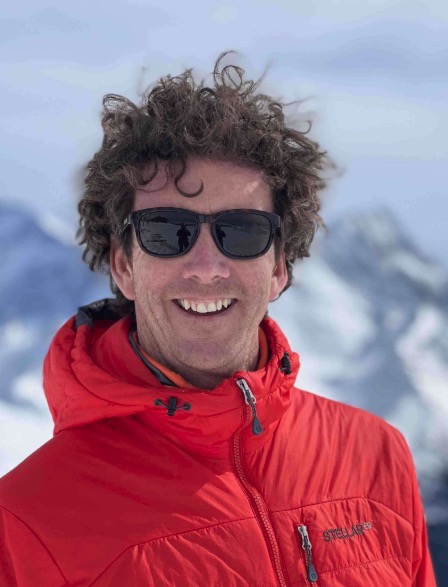
Rik Dyson, Director, Winter Sports Company
Rik has spent his working life between the mountains and the ocean. Superyacht captain, water sports professional, and now Director of Winter Sports Company, sending people off to a winter in the snow every year. He is also the one who picks up the phone when they get there. All of this material comes from 16 years of phone calls, meetings, lift chats, morning coffees, and the odd tall tale in the evening.
Planning a season?
Ask Us Anything, Even If You Never Book
Book a call and we will give you a straight answer, whoever you end up going with.
Prices are per person for the 2026/27 season and come from our current course list. Flights, insurance, rent, food, visa fees and exchange rates change, and your quote is the final word. Wages and hours are season averages set by the resort, shown before tax, and are never guaranteed. This guide is general information, not financial, immigration or insurance advice.





 Emma
 Rik
 Rik
 Emma
 Rob
 Iain
 Cass
 Mike
 Abbie