
By Rik Dyson, Director, Winter Sports Company · Last updated
The worry is usually the same, and people are slightly embarrassed to say it out loud. "I've seen the photos. Everyone's twenty. Am I going to spend ten weeks in a party house being the dad?" It's a fair question. Most ski season marketing is aimed at gap year students, and if you're forty-four with a mortgage, it can look like a club you've aged out of.
You haven't. Our adult courses are a different animal. Different people, different accommodation, a training week built for a body that has to get up again tomorrow, and none of the job-hunting and visa admin that fills a gap year. This guide sets out who you'll be with, where you'll live, how hard the training is, and which bits of a season you can leave behind.

Who you'll ski with
Who's Actually On An Adult Ski Course
Picture the group on your first morning. Most of them are somewhere between their mid-thirties and late fifties, and a few are older than that. There's usually a career-breaker, someone who has just sold a business, a couple who finally stopped saying "one day", and at least one person who has skied every February for twenty years and wants to know if they're actually any good.
What most of them have in common is the visa. If you're past the age for a working holiday visa, you can't take a paid job in Canada, so an internship is off the table. That's not a loophole we're selling round; it's the law, and it's why adult courses exist. You come to train, qualify if you want to, and ski. You Don't Need A Visa covers exactly what you can and can't do.
- Groups are set by ability, not age. Nobody puts you in the over-forties group. But because older clients tend to ski at similar levels and want similar things, they very often end up training together anyway.
- Nobody is there by accident. You've taken time off, paid for it yourself and probably trained for it. That changes the atmosphere more than any rule could.
- It is still sociable. Dinners, a drink after the last run, days off together. You just get to choose how much of it you want.
Everyone on the course made a deliberate choice to be there. You can feel it on the first morning.
Where you stay
Where You Stay: Your Own Room, And The Quieter Options
This is the question people ask second, usually straight after age. The honest answer is that it depends on the resort, and it's worth knowing before you choose one.
- Panorama. Private or shared apartments, with a room of your own. You share a kitchen and living space, not a bedroom.
- Revelstoke. We arrange smaller apartments for older, more settled clients who want a private place away from the main groups. It's the closest thing we have to a quiet house, and we set it up that way on purpose. There are fewer of these than anything else, so if you want one, book early.
- Sun Peaks. You can arrange your own accommodation independently, which means you pick the standard and the budget. Tell us what you want and we will point you in the right direction.
Single rooms exist on some courses for a supplement. It varies by resort and course, so we won't guess a figure here; it will be on your written quote. What we will say is that they're the first rooms to go. If a room of your own or a quieter apartment matters to you, say so on the first call and book early. How To Book Your Course explains when rooms get tight.
The one exception
All-Mountain Performance is based in a shared 16-bed house. It's a brilliant house and a brilliant course, but it is not quiet, and we would rather tell you now than have you find out on night one.
Adult-paced training
Adult-Paced Training: What It Means On The Hill
Adult-paced doesn't mean easy. Every one of our courses is built on four training days a week, so you can keep going for the whole course, not just the first fortnight. What changes is what those four days feel like, and that depends on why you're there.
If you're here to progress, you're not here to kill yourself. If you're here for a Level 3 ticket, expect it to be more intense. More on that below.
Four days doesn't sound like much until you've done it. A coaching day is spent skiing properly, all day, on terrain chosen to make you better rather than comfortable. By the fourth day your legs will have firm opinions. The days off are where you recover and where the coaching actually sinks in. Is it enough? It's enough, trust me.
- Training days run together where possible. Which gives you days off in a row, not one scattered in the middle of the week.
- Your days off are yours. Ski them, rest, explore the town, sleep until nine. Nobody is taking a register.
- Coaching adapts to the goal. Here to improve? More time on technique, video and the reasons behind it. Here for an exam? More mileage, more pressure and more feedback against the standard.
- Coaches read the group in front of them. If yours needs a slower warm-up and a longer lunch, it gets one. That is true on every course, including Level 3.
"But I'm Fitter Than Most People My Age"
We hear this a lot, and to be fair, for some people it's true. That's exactly why our advanced training is split across three groups, each built for a different kind of client.
01
Masterclass
Slower on purpose
Mostly our more mature clients. Smaller groups and a slightly slower pace, because the point is you: individual feedback, video analysis, and time spent on your own particular problems.
It isn't slower because anyone can't keep up. It's slower because fixing a habit you've had for twenty years takes attention, not mileage.
02
Level 3 CSIA Course
A curriculum to get through
The CSIA Level 3 syllabus has to be kept moving, so it's faster-paced, with less chit-chat and feedback at set points in the day. It often suits younger or fitter clients.
You're here to do a job, and we take that seriously.
03
Level 3 internship
Our youngest group
For clients aged 35 or under, eligible for a working holiday visa, working towards Level 3 over a full season while teaching for the resort.
If you're past the visa age, this one isn't open to you, and the other two are built for you instead.
These three groups very rarely mix. That's deliberate. Everyone who comes to us should be confident they'll get the right level of instruction and, just as important, be surrounded by people of a similar standard. Level 3 is hard, the pass rate drops sharply at this level, and some people need more than one attempt, often at their own cost. If you hold Level 2 and want to know which group fits you, book a call and we'll tell you straight.
If you're wondering whether your body is ready for four days a week, Fit Enough At Forty-Five? is the honest version, with a six-month plan.
What you can skip
The Bits Of A Ski Season You Can Happily Skip Now
A gap year season comes with a lot of admin and a fair bit of chaos. Most of that simply doesn't apply to you. Think of it as the difference between backpacking and booking a hotel: same country, very different trip.
- Staff accommodation. No bunk in a resort staff block with a stranger who works nights. You are in an apartment arranged for the course.
- Working a resort job. No lift shifts, no dish pit, no rota. Your time on the mountain is spent on your own skiing.
- Hunting for work. No CV hand-outs in the village in December, no waiting to hear back from the snow school.
- Visa paperwork. No working holiday visa application, no pool, no invitation to wait for. You still need the right entry documents for a visitor, and we'll tell you what those are.
- Big nights out. They are there if you want them. Nobody will think less of you if you're in bed by ten.
Same mountains, same coaching. None of the admin that fills a gap year.
Which course
Which Adult Ski Course Fits You
There's no single adult course, because there's no single adult. The right one depends on how much time you've got, how fit you are, and whether you want a qualification or just want to ski better.
| Course | Length | Suits you if |
|---|---|---|
| Level 1, two weeks | 2 weeks | Eight days of training and your three-day Level 1 exam. Self-catered. You want the qualification and your annual leave is the limit. |
| Level 1, four weeks | 4 weeks | Twelve days of training, the three-day exam, and dinners through the training weeks. More time on snow before anyone assesses you. |
| Masterclass | 2 weeks | Four coaching days a week, no exam, and time for technique and the niggles. You want to ski better, not get a certificate. |
| Revelstoke Ski Intensive | 9 weeks | Level 1 and Level 2 in one go, four training days a week. You can take the time off and you have done the fitness work. |
| Level 3 training | 3 or 4 weeks | You're an advanced skier, usually holding Level 2. Four fast-paced training days a week on the CSIA Level 3 curriculum. Take the exam, or use it purely as progression training to push your skiing to the next level. |
| All-Mountain Performance | As per your quote | Over 200 hours of freeride, avalanche safety and mountain skills. Physically demanding, and based in a shared 16-bed house, so it is the least quiet option on this list. |
Prices and dates are in The Real Cost Of A Canadian Season; your quote is the final word.
Five questions, one minute
Which of these courses fits you?
Five questions to choose between the six courses in the table above.
Want to compare every course, internships included? The full course finder quiz takes two minutes. If you'd rather not take an exam at all, Do I Have To Become An Instructor? covers the no-exam courses.
Who this isn't for
If you want the full season experience, the staff house, the resort job and the parties, you want an internship, and you need a working holiday visa to do one. That's a different guide.
If you need total silence and a hotel room, a shared apartment on a ski course will not be it, even the quiet ones. Tell us and we'll tell you honestly whether Sun Peaks and your own booking is the better route.
Honest answers
The Questions People Actually Ask
Will I be the oldest person there by twenty years?
Possibly on an internship, but you are not booking one of those. Most of the people on our adult courses are somewhere between their mid-thirties and late fifties, and a few are older. Groups are set by ability, and older clients very often end up training together.
Can I have my own room?
On some courses, yes, for a supplement. It depends on the resort and the course, and single rooms are the first thing to go, so ask when you book, not in September. We will not quote a figure here because it changes; it will be on your written quote.
Is there a quiet house for older clients?
Not a house with a sign on the door, but the options are real. In Panorama you can have your own room in a private or shared apartment. In Revelstoke we arrange smaller apartments for older clients, away from the main groups. In Sun Peaks you can book your own accommodation to suit your budget. The All-Mountain Performance house is the exception: sixteen people, one hot tub, not quiet.
Is four days of training a week really enough?
Yes. Four days of proper coaching on a mountain the size of Revelstoke is a lot of skiing, and your legs will tell you so by Thursday. The days off are where your body recovers and where the coaching sinks in. Trust us, you will not be looking for more.
Do I need a work visa?
Not for a course. If you are past the age for a working holiday visa, you come in on a visitor entry and train. You cannot take a paid instructing job in Canada without the right permit, and we will not pretend otherwise. You Don’t Need A Visa explains exactly what you can and cannot do.
Will I be expected to go out every night?
No. Some people do, most people over thirty-five do not, and nobody keeps score. The one thing we do ask is that you respect the people sharing your building, whatever time they go to bed.
Is it worth it if I can never work as an instructor in Canada?
That depends on why you are going. If the only goal is a Canadian instructing job, and you cannot get the permit, then honestly, no, not for that reason. If you want to ski properly, get a qualification you can use elsewhere, and spend a winter doing something for yourself, most of our older clients tell us it was the best money they spent that year.
About the author
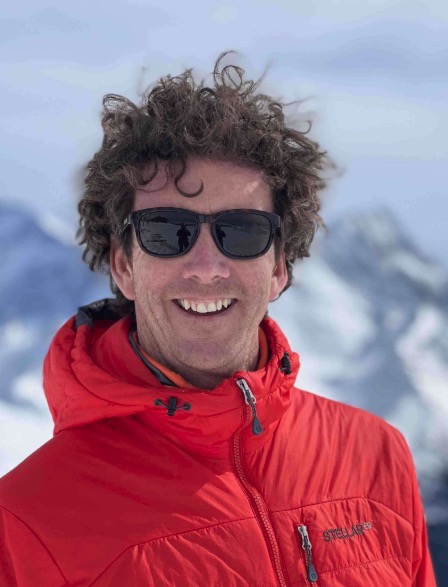
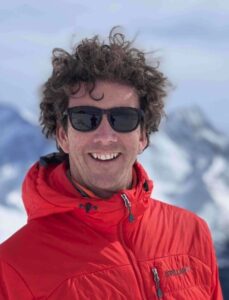
Rik Dyson, Director, Winter Sports Company
Rik has spent his working life between the mountains and the ocean. Superyacht captain, water sports professional, and now Director of Winter Sports Company, sending people off to a winter in the snow every year. He is also the one who picks up the phone when they get there. All of this material comes from 16 years of phone calls, meetings, lift chats, morning coffees, and the odd tall tale in the evening.
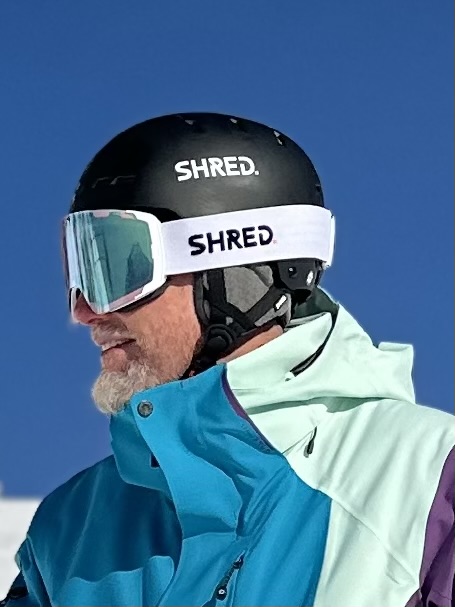
Technical review
Jason Simpson, Technical Ski Director, Winter Sports Company
Jason is our Technical Ski Director and the movement specialist behind our advanced training. He coaches on our four-week CSIA Level 3 block in Sun Peaks, where he works on how you move, not just where you go, and he shapes the technical side of our programmes so that each group gets the pace and the feedback it came for.
A winter for yourself
Tell Us What Kind Of Winter You Want
Book a call. Tell us your age, your skiing, your budget and whether you want a room of your own, and we'll tell you honestly which course and which resort fits.
Sources
- WSC course and accommodation details, 2026/27 season
- Government of Canada, International Experience Canada eligibility, 2026
- WSC client consultations, 2026
Course details, accommodation and room availability change from season to season. Your written quote is the final word on what is included. Visa rules are set by the Government of Canada; check your own eligibility before you book.





















 Emma
 Rik
 Rik
 Emma
 Rob
 Iain
 Cass
 Mike
 Abbie