
By Rik Dyson, Director, Winter Sports Company · Last updated
Every season brochure shows the powder day. This guide is about the other days. The ones nobody photographs, and the ones we get the phone calls about.
None of it is a reason not to go. All of it is easier when you know it is coming. Whether you are eighteen or fifty, heading out yourself or waving someone off, this is what we wish every client knew before they landed.
Inside
1 The first week
2 Prices in resort
3 Shared housing
4 The quiet week in January
5 The low patch
6 Injury
7 Cold, dark and flat light
8 Going home
9 What not to do
The questions people ask us late at night
1
The First Week
Jet lag, a lot of forms, and the strange first supermarket shop
You land after a long day of travelling, eight hours behind home, and the body clock does not care that training starts tomorrow. Expect to be wide awake at four in the morning and asleep on the sofa at eight at night for the first few days. It sorts itself out, usually inside a week.
The first days are also the least glamorous of the whole season. Collecting kit, sorting a phone plan, opening a bank account if you are working, finding the supermarket, working out which bus goes where. None of it is difficult. All of it takes longer than you think when you are tired.
What actually helps
Get outside in daylight on the first morning, eat at local mealtimes even if you are not hungry, and go to bed at a normal hour even if you are wide awake.
Bring the documents you were asked to bring, in your hand luggage, not your ski bag.
2
Prices In Resort
Budget for mountain prices, not home prices
The first supermarket shop is a small shock for almost everybody. Mountain towns are expensive to supply, there is usually one shop with no competition, and prices on the shelf in Canada do not include sales tax, which is added at the till. The number you expected is rarely the number you pay.
Eating out, a drink after skiing and the odd takeaway add up faster than anything else. Nobody plans to spend their buffer on nachos. Plenty of people do.
What we do about it. We will give you our honest view of weekly living costs at your resort before you book. Budget to the top of that range, not the middle.
How far your money stretches depends heavily on your bar bills and your cooking skills. You are never far from too tight a budget unless you put a few systems in place and stick to them.
Your quote sets out exactly what is and is not included, so check it line by line rather than assuming.
The honest bit: the honeymoon phase
The first month has a name, and it catches everybody. New friends, a new town, new mountains, and a giddy feeling that the whole season is going to look like week one. It affects every age and every personality.
It is also when most of the money goes. Not on anything big, but on small things, every day, while everything is new and everyone is saying yes. The spending usually settles after about four weeks.
January can be a hard teacher. Your hours drop just as the honeymoon ends, and the buffer you meant to keep has quietly gone on nachos and rounds.
Set a weekly figure in week one, before the honeymoon sets it for you, and look at your bank balance every Sunday.
3
Shared Housing
Four to six people, one kitchen, six interpretations of washing up
You will almost certainly share a house, and often a room, with people you have not met. Some will be your age, some will not. Some will be tidy. The kitchen will become the most discussed room in the building by the end of week two.
Friction usually peaks around week four, when the novelty has worn off, training is at its hardest and everyone is tired. It is normal, it is rarely personal, and most of it settles on its own.
Take the rubbish out
Pizza boxes by the door. Empty beer cans on every surface. A bin nobody has emptied since Tuesday. It is the fastest way to cause friction in a shared house.
It is also the fastest way to lose your room deposit and attract the wrong kind of attention from house management. Word travels fast in mountain towns, and it usually starts with a room inspection.
The fix is dull and it works. Agree a rota, and get into the habit of taking one small bag of rubbish with you every time you leave the house.
Learn the local recycling. Every town does it differently, and mountain towns take it seriously. Getting it right keeps the house happy and shows some respect for the place you are living in. You would not want visitors treating your home town like a campsite, so do your best to leave yours cleaner than you found it.
What helps
A simple rota agreed in week one, before anyone is annoyed. Saying the small thing early and politely. Earplugs. Cooking together once a week, which fixes more than any rota does.
What does not
Passive notes on the fridge. Letting it build until February. Group chats where two people argue while everyone else reads. If it is genuinely not working, tell us rather than suffering it.

4
The Quiet Week In January
When the hours drop, and why it is not a sign anything is wrong
Christmas and New Year are the busiest fortnight of the winter and newly qualified instructors work hard. Then the holidays end, families go home, and in early January the lesson board can go very quiet very quickly.
Instructor hours are not guaranteed anywhere in the world. They follow how busy the resort is, and seniority and qualification level decide who is sent out first. For a new Level 1 that means some weeks are full and some are nearly empty, and quiet weeks mean quiet pay.
What we do about it
We tell you before you book that this happens, so it is not a surprise. Use the quiet week.
Ski, shadow senior instructors, train for your next level, and keep turning up when you are rostered. The instructors who are keen in January are the ones who get the lessons in February.
Get To Know The Ski And Ride Desk
The people on the ski and ride desk are the ones who put lessons on the board. Getting to know them, and being friendly, reliable and easy to find, is a good way to stay at the front of their minds when they are scheduling work.
It does not always work like that. Snow schools run rostering systems to keep things fair, and seniority and qualifications come first. But there is no harm in being on good terms with the people in charge of your hours, and in paying a little kindness forward.
Call it kindness, call it bribery, call it whatever you like. It helps. Every little helps.
5
The Low Patch
It usually arrives around week three, and it passes
The arrival buzz has worn off, the training is hard, you are tired and a bit sore, and home suddenly looks very appealing. It happens to most people, whatever their age, and it is not evidence that you have made a mistake.
It tends to lift once the exam is done and the season settles into a routine. A regular call home helps, as does something to look forward to, and being honest with the people around you, most of whom are feeling the same thing and not saying so.
There is a difference between a wobble and something more serious. If low mood sticks, if you stop eating properly or stop getting up, talk to us. That is exactly what we are there for, and it is never a bother.
If you are a parent reading this: agree roughly how often you will speak before they fly. It saves a lot of misread silence in both directions. There is a guide written for parents in our guide hub.
6
Injury
Not dramatic, but worth knowing before it happens
Skiing and snowboarding carry real risk and no amount of organisation removes it. Most injuries are minor. Some end seasons. A surprising number happen on days off rather than at work.
Please read this one twice
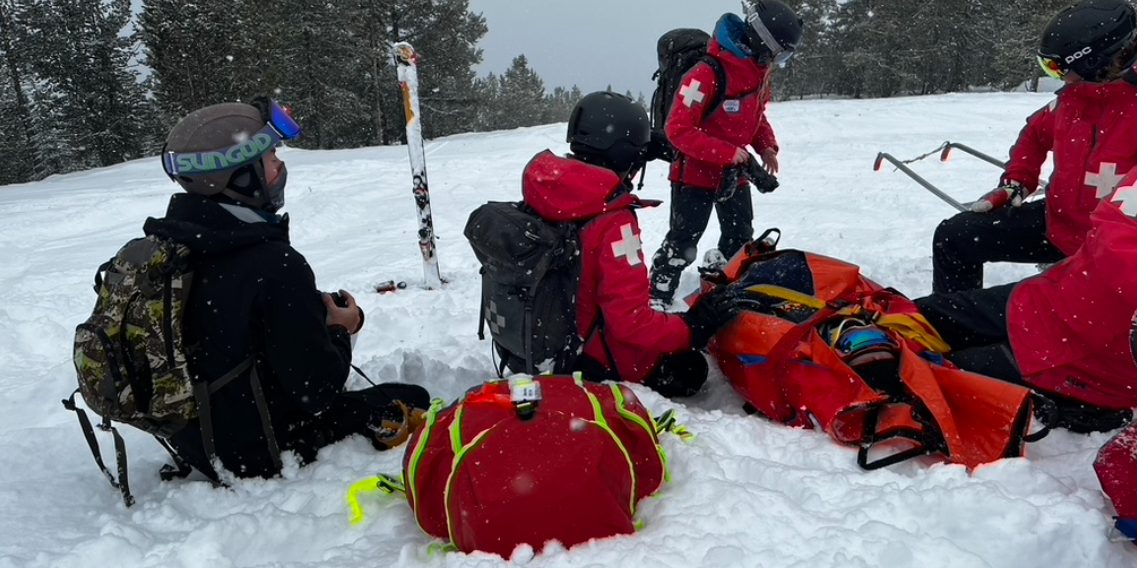
Contact your insurer before you see a doctor or go to hospital, unless it is a genuine emergency. Claims get refused for skipping that call.
And do not tough it out to save money. A knee looked at in week two is a fortnight off snow. The same knee ignored for a month can end the season. Ring the insurer, get seen, keep every receipt, including the taxis.
7
Cold, Dark And Flat Light
Canadian winters are properly cold
Some mornings in January are well below minus twenty before wind chill. Lifts close in high wind. Flat light makes a run you know feel like skiing inside a ping pong ball. Teaching a group of five year olds in those conditions is harder work than the brochure photos suggest.
Layers, good gloves, a buff and hand warmers matter more than any piece of expensive kit. So does accepting that a bad weather day is still a working day. The powder days are the reward, and they do come.
Cover your face on the lift
Once it drops to around minus eighteen in Canada, exposed skin gets serious quickly. We have seen frostnip and frostbite on cheeks, noses and ears from a single chairlift ride without face cover, because you are sitting still in the wind with nothing generating heat.
A buff, snood or balaclava is not optional kit. Pull it up before you get on the lift, not halfway up.
8
Going Home
The part people least expect
Five months is long enough to build a whole life somewhere. Leaving it is harder than most people expect, and the first few weeks back can feel oddly flat. Friends at home were not there, and the stories only mean so much to people who did not see the snow.
That feeling is normal and it fades. It is also the moment to write the season up properly, on a CV or an application, while the detail is fresh. Taught paying guests, assessed by a professional examiner, lived and worked abroad for a winter. Described properly, it is not a gap year. It is work experience.
Have a plan before you land
Do not arrive home and hope a plan will turn up on its own. It rarely does. Without one, the momentum you built all winter stalls, you start to drift, and the post-season blues kick in earlier and harder.
Keep yourself busy. Keep the fitness up. Get stuck into the next project as quickly as you can, whether that is work, study, travel or the next season.
Having a job to go back to is one of the best ways to do all three at once. Sort it before you fly home, not after.
9
What Not To Do
The small mistakes that make a hard week harder
Do not spend your buffer in the first month
It goes on small things, every day, while everything is new. Set a weekly figure in week one.
Do not tough out an injury to save money
Ring the insurer, get seen, keep the receipts. Ignoring it is the expensive option.
Do not hide in your room in the low patch
It passes faster with people around you. Most of them feel the same and are not saying so.
Do not let house friction fester
Say the small thing early and politely. By February it is a big thing.
Do not book a flight home in week three
Give it until the exam is done and the routine settles. Most people are glad they waited.
Do not judge the season by January
The quiet week is not the season. Keep turning up and keep training.
The Questions People Ask Us Late At Night
Will I make enough money to cover my season?
Probably not, and anyone telling you otherwise is guessing. A first season as a newly qualified Level 1 offsets some of your living costs. It does not usually pay back what you spent getting there inside one winter.
What if I fail my exam?
It happens, and it is not the end of the season. Re-sits are usually possible, but they are rarely free and are normally at your own cost. Check your quote for what applies to your course, and ask us before you book if it is not clear.
What if I hate the people I live with?
Most house friction is tiredness and washing up, and it settles. If it genuinely does not, tell us. We cannot promise a room move, because housing in resort is tight, but we can help and we would rather know in week three than hear about it in April.
Can I come home early if it is not for me?
Yes, nobody can keep you there. But coming home early rarely comes with a refund, so read the cancellation and curtailment terms in your quote and your insurance before you go, not after.
I am older than most people on the course. Will I feel out of place?
Sometimes, for a day or two. Every intake has a real mix of ages, and on snow nobody cares how old you are, only whether you turned up and tried. Plenty of our older clients tell us the age gap mattered far less than they feared.
Is it actually worth it?
For most people, yes, and almost none of them say it is because of the money. It is worth it if you want the qualification, the winter and the experience. It is not worth it if you are hoping a season will fix something at home that a season will not fix.
Is it normal to want to go home?
Yes. Most people have at least one day when they would get on a plane if it were leaving that afternoon. It usually lands around week three and usually passes. If it does not lift, talk to someone rather than sitting on it.
How much money should I take for living costs?
It depends on the resort and how you live, so we will not give you one number that pretends otherwise. Ask for a realistic weekly figure for your specific resort, budget to the top of it, and arrive with a buffer you do not touch.
Will I make friends?
Almost certainly. You are living, training and working with people in exactly your position, in a small town, for months. The ones who struggle most are usually the ones who stay in their room early on.
What if the season is not what I expected?
Parts of it will not be. It will be colder, harder work and more ordinary on some days than you pictured. Tell us early if something is genuinely wrong. Most of the time, it is the gap between the brochure and a Tuesday in January.
About the author
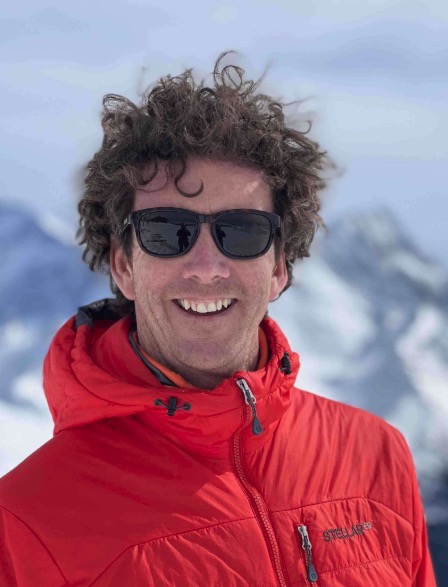
Rik Dyson, Director, Winter Sports Company
Rik has spent his working life between the mountains and the ocean. Superyacht captain, water sports professional, and now Director of Winter Sports Company, sending people off to a winter in the snow every year. He is also the one who picks up the phone when they get there. All of this material comes from 16 years of phone calls, meetings, lift chats, morning coffees, and the odd tall tale in the evening.
Still thinking it over?
Ask Us The Question You Have Not Asked Yet
Book a call and we will give you the straight answer, including when that answer is "not this year".
This guide is general information for anyone considering a ski or snowboard season in Canada. It is not financial, insurance, immigration or medical advice. Pay, hours and costs vary by resort and season, and nothing here is a guarantee of earnings, hours or exam results.






















 Emma
 Rik
 Rik
 Emma
 Rob
 Iain
 Cass
 Mike
 Abbie